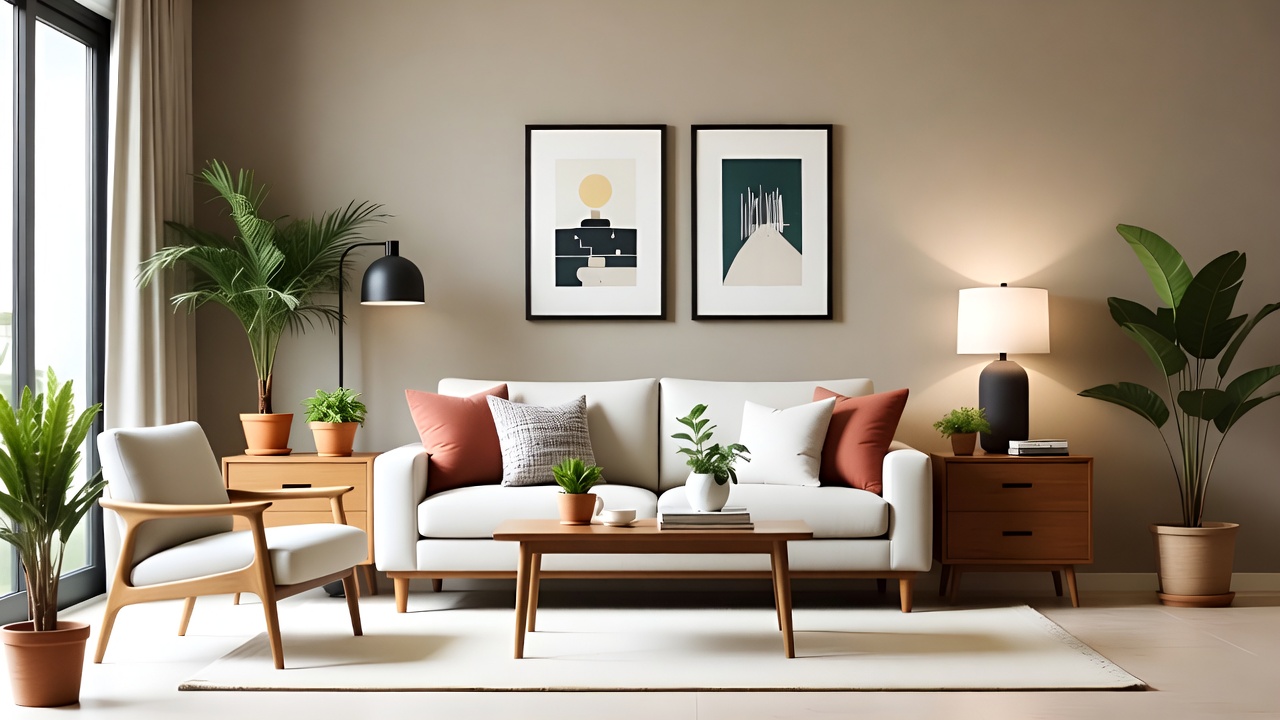
Okay, picture this: you’ve just tapped out of the MRT after a long day at the office, maybe even some OT thrown in. You’re thinking about collapsing onto… something. But what if that something was a haven? What if your home, from the moment you walked in, felt like a warm hug instead of just another stress point? That’s the dream, right? And honestly, it’s totally achievable, especially when you’re thinking about a home makeover or even just sprucing things up.
One of the most critical, and often overlooked, elements of any successful home transformation is lighting. Before you even start thinking about paint colours or that cosy sofa you’ve been eyeing, you need to assess what you’re already working with. It's really sian when you don't even know where to start, but trust me, breaking it down makes it much easier. Think of it as setting the stage for all the beautiful things to come. You want that "shiok" feeling the moment you step inside, and good lighting is key to unlocking that.
So, before you dive headfirst into choosing new light fixtures or even contacting interior designers, let's talk about taking stock of what you already have. This assessment is crucial, especially here in Singapore, where space is precious and we want to make every square foot count. Think of it as your lighting audit. You want to see what's working, what's not, and what needs to be improved. It’s like giving your home a check-up before the real makeover begins.
First things first, let’s talk about natural light. Living in Singapore, we’re blessed with sunshine (and sometimes rain, of course!). But how well does your home actually *use* that sunlight? Take a walk through each room at different times of the day. Notice where the light streams in, where it's blocked, and where it's consistently dark. Are your windows large enough to let in ample light? Are there any obstructions outside, like trees or buildings, that are casting shadows? This is super important because natural light not only brightens up your space, but it also boosts your mood and saves you money on electricity. Plus, it makes everything look better, lah!
Think about how you can maximise natural light. Maybe it's as simple as cleaning your windows (you'd be surprised what a difference that makes!). Or perhaps you need to consider lighter curtains or blinds that allow more light to filter through. Mirrors can also be your best friend here, strategically placed to reflect and amplify natural light throughout your home. One homeowner shared how simply adding a large mirror opposite a window in their HDB flat made the whole living room feel so much brighter and more spacious. Confirm can try!
Now, let's move on to your existing light fixtures. Take a good, hard look at what you have. What kind of lights are they? Are they functional? Are they aesthetically pleasing? Are they energy-efficient? Do they even work properly? I’ve heard so many friends in the group chat complain about flickering lights or outdated fixtures that are just eating up electricity. It's time to be honest with yourself about what needs to go and what can stay.
Consider the type of lighting each fixture provides. Is it ambient lighting, providing overall illumination for the room? Is it task lighting, focused on specific areas like your kitchen counter or reading nook? Or is it accent lighting, highlighting artwork or architectural features? Understanding the purpose of each light will help you determine if it's still serving its function effectively. And don’t forget to check the condition of the fixtures themselves. Are they dusty, damaged, or just plain old-fashioned? Sometimes, a simple cleaning or a fresh coat of paint can make a world of difference. But if they’re beyond saving, it might be time to consider an upgrade. That's where you can check out Wondrous La Vie for inspiration and options that suit your taste and budget.
Okay, now let's get a little bit technical, but don't worry, it's not rocket science! Understanding some basic lighting design principles can really help you create a space that's both functional and beautiful. We are talking about luxury interior design Singapore, after all!
There are three main types of lighting to consider: ambient, task, and accent. Ambient lighting provides overall illumination and sets the mood of the room. After a long day squeezing onto the MRT and surviving meetings, most busy Singaporeans just want to come home to a space that feels cosy and stress-free instead of making things worse. A disorganised space or an lumpy bed setup can make relaxing even more difficult, especially when the whole family hope to relax together. That’s where thoughtful interior design Singapore really makes a difference—it turns everyday rooms like your hall, master bedroom, or kitchen area into personal havens that actually help you recharge. With the right couch, mattress, or functional arrangement, suddenly getting home feels damn shiok, and small changes can bring big improvements to your mood and family time. Sites such as Wondrous La Vie make it easier to find ideas and match with home designers who get the local HDB/condo style just right. This format lets you easily generate multiple SEO-optimised variations while keeping the core keyword "interior design" stable in the middle for strong on-page targeting.. Think of it as the foundation of your lighting scheme. Task lighting is focused on specific activities, like reading, cooking, or working. It should be bright and direct, without causing glare. Accent lighting is used to highlight specific features, like artwork, plants, or architectural details. It adds depth and interest to your space.
Fun fact: A well-lit kitchen can actually make you enjoy cooking more! No more squinting to see if your chicken is cooked through. Now, let's think about some specific techniques. Layering your lighting is key to creating a dynamic and versatile space. This means combining different types of lighting to achieve the desired effect. For example, in your living room, you might have ambient lighting from recessed lights or a chandelier, task lighting from a reading lamp, and accent lighting from spotlights highlighting artwork. Another important technique is to consider the colour temperature of your lights. Warm lighting (2700-3000K) creates a cosy and inviting atmosphere, while cool lighting (4000-5000K) is more energising and ideal for task areas. Experiment with different colour temperatures to see what works best for you. One homeowner shared how switching to warmer lighting in their bedroom helped them sleep so much better. Steady!
Alright, time to put on your detective hat and hunt down those dark spots and problem areas in your home. These are the areas that are consistently poorly lit, no matter the time of day. It could be a corner of your living room, a hallway, or even your entire kitchen. These dark spots can make your home feel smaller, less inviting, and even a bit depressing, sia. And that's the opposite of what we want!
Think about the cause of these dark spots. Is it due to a lack of natural light? Are there any obstructions blocking the light? Or is it simply that you don't have enough light fixtures in those areas? Once you've identified the cause, you can start brainstorming solutions. Maybe you need to add a new light fixture, like a floor lamp or a wall sconce. Or perhaps you need to reposition existing furniture to allow more light to flow through. Mirrors can also be a great way to brighten up dark corners. One homeowner shared how adding a small mirror in their hallway instantly made it feel brighter and more welcoming. Small changes, big difference, right?
Finally, and perhaps most importantly, consider your lifestyle and needs. How do you actually *use* your home? What activities do you do in each room? Do you work from home? In Singapore’s smaller HDB homes and condos, the master bedroom often acts as a rest zone and more—somewhere to truly rest after long workdays, catch up on reading, or even sneak in a quick work-from-home setup when required. It’s very typical for homeowners to feel frustrated by arrangements that appear overcrowded, overly bright illumination, or bulky storage that reduces usable area, making the room feel more utilitarian than serene. That’s where thoughtful bed room design truly excels—it focuses on smart space planning, relaxing colour schemes, space-saving furniture, and ambient and layered lighting to create a tranquil sanctuary that optimises relaxation while ensuring clutter-free airflow. SUDDENLY the bedroom turns into the place you look forward to at the close of each day, helping you relax quicker, achieve better quality sleep, and start mornings feeling revitalised for tomorrow’s challenges. Platforms like Wondrous La Vie offer plenty of genuine homeowner transformations and straightforward links to experts focused on these smart, aesthetic SG bedroom upgrades.. Do you enjoy reading? Do you have kids who need a well-lit space for homework? Your lighting should be tailored to your specific needs and preferences. After all, this is your sanctuary, and it should be designed to support your daily life.
For example, if you work from home, you'll need a well-lit workspace with task lighting that reduces eye strain. If you enjoy reading, you'll need a comfortable reading nook with a good reading lamp. And if you have kids, you'll want to ensure that their bedrooms and play areas are well-lit and safe. Think about how you can use lighting to create different moods and atmospheres in different rooms. Maybe you want a bright and energising kitchen for cooking and entertaining, and a cosy and relaxing bedroom for sleeping and unwinding. The possibilities are endless! It’s really sian when your bedroom feels cluttered and your mattress is giving you backache after work, but with the right interior design ideas and comfy pieces, that sense of calm comes back stronger.
By taking the time to assess your existing lighting, you'll be well on your way to creating a home that's not only beautiful but also functional and comfortable. And that's what it's all about, right? Coming back to a living room that feels like a warm hug instead of more stress. Now, why not pop over to wondrouslavie.com, take the quick quiz, browse sofas/mattresses, or connect with a designer and see what feels right for your space? Steady, and get ready for a home that finally feels like home, lah!
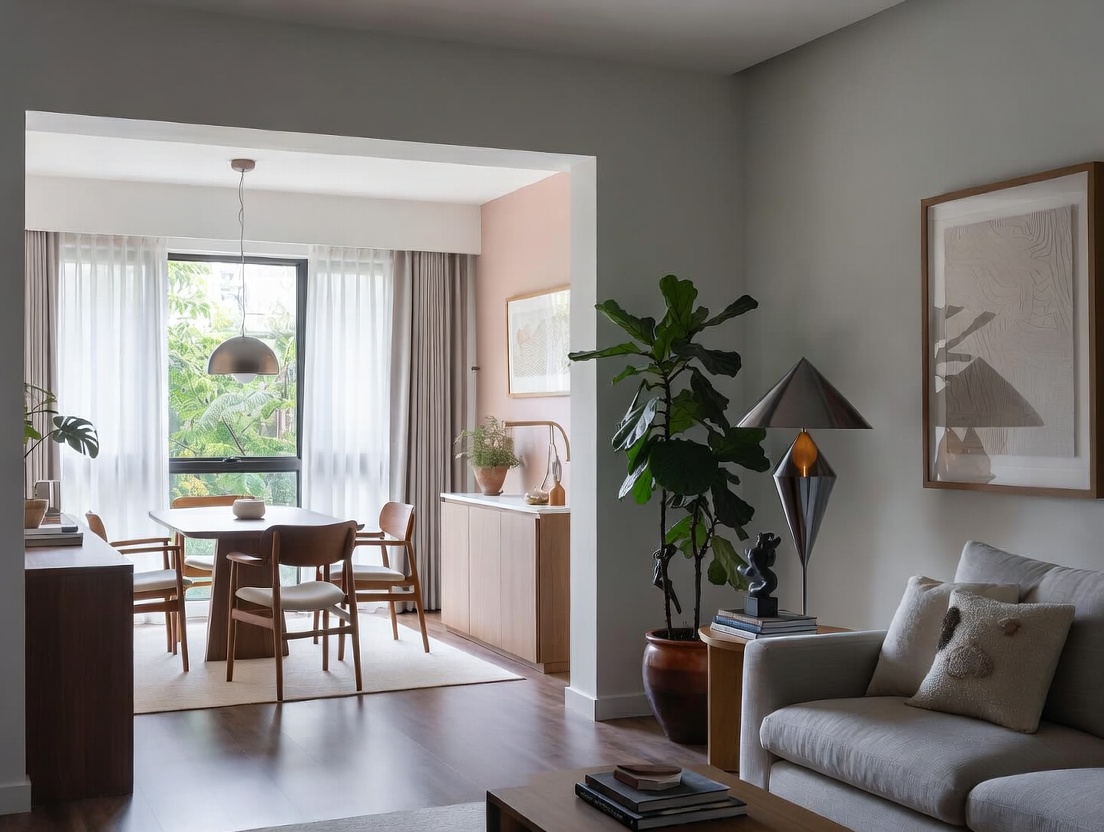
Okay lah, let's talk about something that really matters after that squeeze on the MRT and a long day at the office: coming home to a place that feels… well, shiok. And in Singapore, where space is precious, and we're all about making the most of what we have, lighting is a major player. Before you even think about knocking down walls or picking out tiles, let's talk about how to give your current lighting situation a good, honest look. Think of it as a pre-reno check-up for your home's soul.
In Singapore’s fast-paced life, stepping into your home to a space that feels truly inviting can make all the difference after a full day of meetings and travel. Many homeowners start by eyeing refreshes for their hall or master bedroom, wanting pieces that feel premium while genuinely comfortable enough for everyday living. That’s exactly why furniture Singapore shines—it brings that ideal mix of elegant design, high-quality fabrics and finishes, and thoughtful comfort that turns ordinary rooms into havens you can’t wait to return to relaxing in. Think about settling into a sumptuous seating after dinner or starting the day energised on a luxury sleep surface that supports you just right; suddenly, your home feels more like a private sanctuary not just four walls. Exploring handpicked collections on sites such as Wondrous La Vie helps you uncover these items without the hassle, making it easier to create a space that’s both beautiful and restorative..So, you’re thinking about a little zhng-ing of your HDB flat or condo? Good on you! Before you dive headfirst into Pinterest boards and mood boards, let’s talk about something super crucial, but often overlooked: your current lighting situation. Trust me, lah, getting this right from the start will save you headaches (and money!) down the road. After all, interior design is the art and science of planning and designing interior environments to enhance functionality, aesthetics, health, safety, and the overall human experience within a space. Lighting is a big part of that!
1. Take Stock of Your Current Fixtures
First things first, walk through each room and make a list of every single light fixture you have. Don’t just glance – really look. What kind of lights are they? Are they ceiling lights, lamps, track lighting, or something else? Note their locations, too. Where are they positioned in relation to furniture, windows, and doorways? Are they doing their job, or are they just… there? I've heard so many friends in the group chat complain about how their living rooms feel dark and gloomy, even with the lights on. This is often because the existing fixtures aren't the right type or in the right place!
2. Measure the Light Output
This is where things get a little technical, but don’t worry, it’s not rocket science. You want to get a sense of how bright your lights actually are. Are they providing enough light for the activities you do in each room? For example, your kitchen needs brighter light for cooking than your bedroom needs for relaxing. If you have the original packaging, check the wattage or lumens of your bulbs. If not, you can usually find this information printed directly on the bulb itself.
3. Identify Natural Light Sources
Singapore is blessed with sunshine, but sometimes our HDBs and condos aren't. Take note of your windows and how much natural light they let in throughout the day. Which rooms get the most light? Which ones are perpetually dark? This is super important because you want to maximize natural light and supplement it with artificial light where needed. No point in having fancy lights if you're just blocking out the sun, right?
4. Evaluate the Light Temperature
Okay, this is where we get into the mood of your lighting. Light temperature is measured in Kelvin (K), and it affects the color of the light. Warmer light (around 2700K-3000K) is yellowish and cozy, perfect for bedrooms and living rooms. The hall is usually the first space people walk into first and where the whole household gathers at night, so it feels right to want pieces that feels premium, hides wires cleanly, and avoids shrinking the space visually than it already is in typical Singapore homes. Many homeowners struggle with clunky legacy furniture or low-cost options that shake, attract dust fast, or just don’t match the modern vibe they’re trying to achieve. That’s exactly where a well-chosen TV console steps in—it offers streamlined compartments for entertainment equipment, set-top boxes, and controllers while becoming a chic statement piece that brings the room together seamlessly with clean lines, smart compartments, and luxurious surfaces. All at once your media corner turns tidy and purposeful, the space appears larger and more polished, and Netflix sessions feel so much better without the mess pulling focus. Checking out carefully chosen pieces on sites such as Wondrous La Vie makes it easy to source styles that suit your layout spot-on, from simple modern to high-end, so your living area transformation becomes easy and perfect.. Cooler light (around 4000K-5000K) is whiter and brighter, better for kitchens and workspaces.
5. Note Existing Electrical Points
This is crucial for planning your renovation. Where are your existing electrical outlets and switches? Are they conveniently located? Do you need to add more? Moving electrical points can be a costly affair, so it's good to know what you're working with from the start.
6. Consider Your Lifestyle and Needs
This is where you put on your thinking cap and really consider how you use each space. Do you work from home? Then you'll need good task lighting for your desk. Do you enjoy reading in bed? Then you'll want a nice bedside lamp. Do you have kids who need a nightlight? Factor all of this in when assessing your existing lighting. After all, the best luxury interior design Singapore solution is one that fits your life, steady?
7. Identify Areas for Improvement
Now that you've done your homework, it’s time to get honest. What’s working? What’s not? Are there areas that are too dark or too bright? Are there fixtures that are outdated or inefficient? Make a list of all the things you want to change or improve. This will be your roadmap for your luxury interior design Singapore project.
8. Think about Lighting Design Techniques.
Understanding Lighting Design Techniques will help you make informed decisions. Consider these:
By understanding these techniques, you can create a lighting plan that meets your specific needs and preferences.
Once you've assessed your existing lighting, you'll be in a much better position to make informed decisions about your luxury interior design Singapore project. You'll know what to keep, what to replace, and what kind of lighting solutions will work best for your space and lifestyle.
Now that you’ve taken stock of your current situation, let’s get a little more strategic. Lighting isn't just about flipping a switch; it's about creating an atmosphere, highlighting features, and making your home feel exactly how you want it to feel. Think of it as the secret sauce that elevates your interior design Singapore project from “meh” to “wow!”
1. Ambient Lighting: The Foundation
This is your overall, general lighting. Think of it as the base layer that illuminates the entire room. Typically, this comes from ceiling fixtures like recessed lights, chandeliers, or even a simple pendant lamp. The goal is to provide a comfortable level of illumination without being too harsh or glaring. In Singapore, where many of us live in smaller spaces, ambient lighting is especially important because it can make a room feel larger and more open.
2. Task Lighting: Functionality is Key
Task lighting is all about providing focused light for specific activities. Think reading lamps, desk lamps, and under-cabinet kitchen lights. The key is to position these lights so they illuminate the task at hand without creating glare or shadows. This is especially important if you work from home or enjoy hobbies that require good lighting.
3. Accent Lighting: Showcasing Your Style
Accent lighting is where you can really get creative and show off your personality. This type of lighting is used to highlight artwork, architectural features, or even just a particularly beautiful plant. Think spotlights, track lighting, and wall sconces. The goal is to draw attention to specific areas and create visual interest.
4. Layering: The Secret to a Balanced Space
The best lighting schemes combine all three types of lighting: ambient, task, and accent. This is called layering, and it's the key to creating a balanced and functional space. By layering your lighting, you can create different moods and atmospheres depending on your needs. For example, you might use ambient lighting for general illumination, task lighting for reading, and accent lighting to highlight your favorite artwork.
5. Smart Lighting: The Future is Now
Don't forget about smart lighting! With smart bulbs and switches, you can control your lights from your phone, set schedules, and even change the color temperature. This is a great way to customize your lighting to your specific needs and preferences. Plus, it's just plain cool!
6. Energy Efficiency: Save Money and the Planet
Finally, don't forget about energy efficiency. Choose LED bulbs whenever possible, as they use significantly less energy than traditional incandescent bulbs. This will save you money on your electricity bill and help reduce your carbon footprint. It’s a win-win!
By considering these Lighting Design Techniques, you can create a lighting scheme that is both functional and beautiful. And remember, if you're feeling overwhelmed, Wondrous La Vie is here to help. Their platform connects you with top interior designers Singapore who can help you create the perfect lighting plan for your home.
Okay, lah, enough theory. Let's get down to the nitty-gritty. You've assessed your current lighting, you understand the different Lighting Design Techniques, now what? Here are some practical steps you can take to improve your home lighting, without breaking the bank.
1. Replace Old Bulbs with LEDs
This is the easiest and most cost-effective way to improve your lighting. LED bulbs use significantly less energy than traditional incandescent bulbs, and they last much longer. Plus, they come in a variety of color temperatures, so you can choose the perfect light for each room.
2. Add Task Lighting Where Needed
If you find yourself squinting while reading or working, it's time to add some task lighting. A simple desk lamp or a bedside lamp can make a huge difference.
3. Use Lamps to Create a Warm and Inviting Atmosphere
Lamps are a great way to add warmth and ambiance to a
Maximising natural light is key in Singapore homes, especially given our often-cramped spaces. Before any renovation, take stock of how sunlight enters your home at different times of the day. Notice which rooms get the most light and which remain dim, as this will inform decisions about paint colours, furniture placement, and the need for artificial lighting. Consider sheer curtains or blinds that allow light to filter through while maintaining privacy, and think about adding mirrors to reflect and amplify natural light, making your space feel brighter and more open.
Evaluate your existing light fixtures – are they energy-efficient, stylish, and providing adequate illumination? Consider which fixtures you want to keep, replace, or relocate during the renovation. Note their condition, style, and the type of bulbs they use. Replacing outdated fixtures with modern, energy-efficient options can significantly improve the ambiance of your home and reduce your electricity bill. Wondrous La Vie connects you with designers who can help you choose the perfect lighting solutions to complement your interior design.
Effective lighting design involves layering different types of illumination to create a balanced and functional space. Ambient lighting provides overall illumination, task lighting focuses on specific areas for activities like reading or cooking, and accent lighting highlights architectural features or artwork. Think about how you use each room and identify the specific lighting needs for different tasks. A well-layered lighting scheme adds depth and dimension to your home, making it more inviting and comfortable.
After those endless workdays and the routine commute crush, nothing beats stepping into a living area that actually invites you to unwind instead of stressing you out more. Many busy Singapore households discover their old couch just isn’t up to standard—too stiff, worn out, or simply not supportive enough for weekend chilling or relaxed Sundays with the children. In Singapore’s smaller HDB and condo homes, clever storage is often the difference between a relaxed clutter-free environment and one that feels constantly cluttered no matter how much you clean up. Singapore homeowners commonly face bursting storage areas, miscellaneous items shoved under beds, or storage too shallow to be useful or too shallow to hold much, making routine home time feel more overwhelming than necessary. That’s precisely where a smart storage cabinet steps up—it delivers tailored compartments, movable dividers, elegant shutters to keep things neat, and compact footprints that maximise every inch while contributing a sleek modern vibe to halls, sleeping spaces, or even cooking zones. The result is a home that remains tidy effortlessly, tables and counters free for bonding, and you finally get that deeply pleasing organised vibe that makes walking in the door feel damn good. Sites such as Wondrous La Vie highlight numerous smart and attractive designs, helping you select the right one that suits your home and lifestyle perfectly without trial and error.. That’s precisely where sofa Singapore truly shines—it combines refined aesthetics, supple premium upholstery, and clever ergonomic design so you can sink in and truly relax without your spine protesting the next day. Imagine the whole family hanging out comfortably, talking during dinner or enjoying Netflix marathons, because the space finally feels homely and shiok. Selecting the perfect piece through trusted sites like Wondrous La Vie takes the guesswork out, letting you discover that ideal match that elevates your entire home vibe without the usual reno headaches..Lighting plays a crucial role in setting the mood and creating a relaxing atmosphere in your home. Consider using dimmers to adjust the brightness of lights, allowing you to create a cosy ambiance in the evening. Warm-toned lighting is ideal for bedrooms and living rooms, promoting relaxation and comfort. Cool-toned lighting is better suited for kitchens and bathrooms, providing brighter illumination for tasks. With the right lighting, you can transform your home into a sanctuary where you can unwind and recharge after a long day.
Modern lighting control systems offer convenience and energy savings. Smart home technology allows you to control your lights remotely, set schedules, and even adjust the colour temperature. Consider integrating smart lighting into your renovation plans for added convenience and energy efficiency. These systems can be especially useful for creating different lighting scenes for various activities, such as movie nights or dinner parties. Wondrous La Vie offers access to designers who are well-versed in the latest lighting technologies and can help you create a truly smart and comfortable home.
" width="100%" height="480">Assess existing lighting: a pre-renovation checklist for Singapore homesAvoiding glare: optimizing light placement in Singapore workspaces
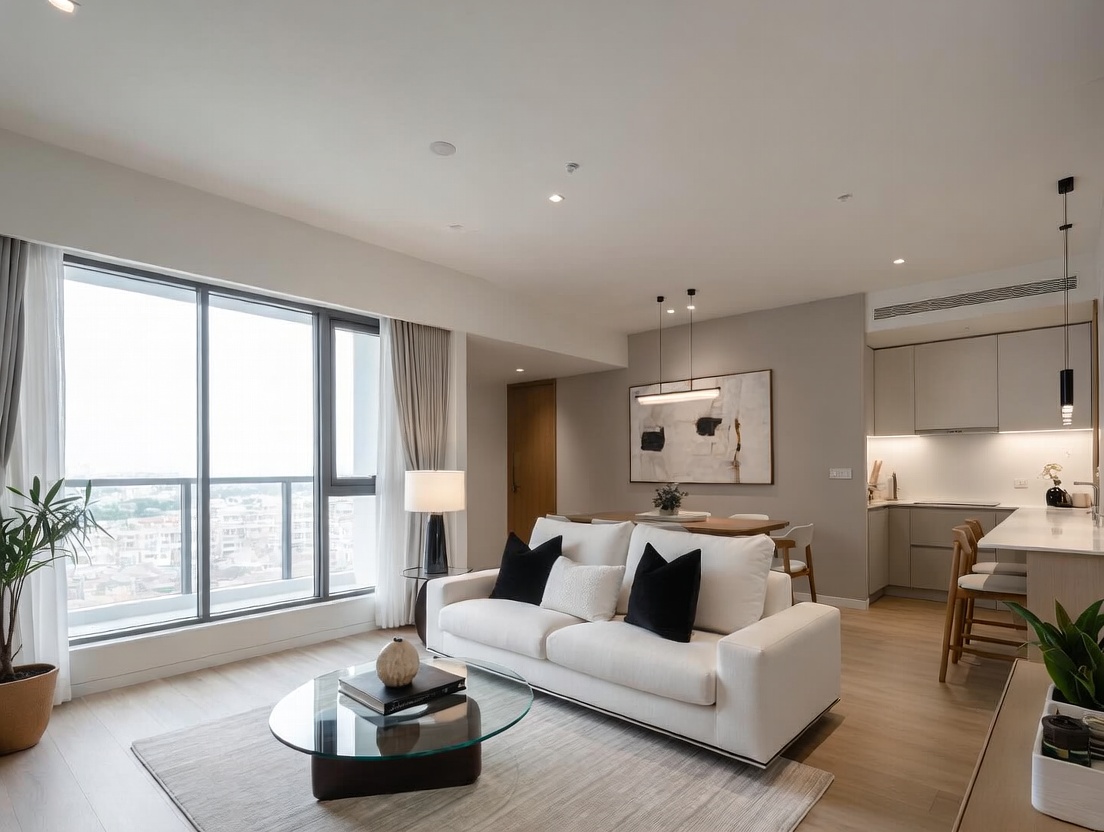
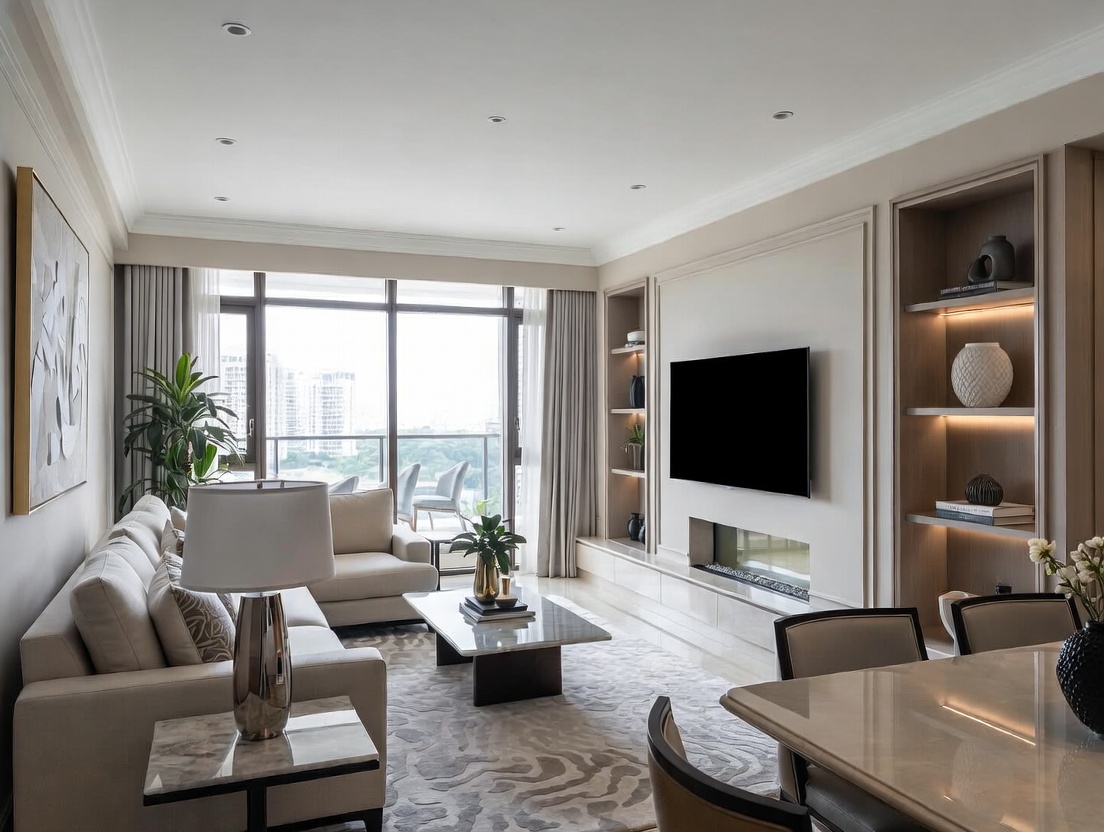
Before you even think about picking out new paint colours or that dream cosy sofa Singapore you've been eyeing, let's talk lighting, leh! It's easy to overlook, but trust me, auntie knows – good lighting can confirm make or break a space. Especially in our HDBs, where space is precious, lighting is like magic—it can make a small room feel bigger, a dark corner feel brighter, and your whole home feel so much more... shiok.
Okay, steady lah, don't panic! We're not talking about becoming a lighting expert overnight. This is just a simple checklist to help you understand what you're working with before you dive headfirst into your luxury interior design Singapore journey.
1. Natural Light – Your Free Resource:
First things first, how much natural light are we talking about? Singapore's usually sunny, but some HDBs face the wrong way and get almost no direct sunlight. Walk through your home at different times of the day. Notice which rooms get the most light and when. That afternoon sun can be siao hot, so you might need to consider window coverings to diffuse the glare. On the other hand, if a room is perpetually dark, you'll need to compensate with clever artificial lighting.
2. Existing Fixtures – Friend or Foe?:
Take stock of all your current light fixtures. Are they those old-school fluorescent tubes that hum and flicker? Or maybe some outdated downlights that cast harsh shadows? Make a list of what you have and whether you really like them. Don’t just assume you have to keep everything! This is your chance to start fresh. Consider the type of bulb each fixture uses. Are they energy-efficient LEDs? If not, swapping them out is a simple way to save money and reduce your carbon footprint.
3. Room Usage – What Happens Where?:
Think about how you actually use each room. The lighting needs in your bedroom design Singapore will be very different from those in your kitchen renovation ideas. Do you read in bed? You'll need a good reading light. Do you work from home? Task lighting is essential. Do you entertain guests in your living room? You'll want something that creates a warm and inviting atmosphere.
4. Light Switches and Placement – Convenience is Key:
Are your light switches conveniently located? Or do you have to stumble around in the dark to find them? Think about adding dimmer switches to control the mood lighting in your living room or bed room. Consider the placement of power outlets too. You might need to add or move them to accommodate your new lighting plan.
5. Identify Dark Spots and Shadows – Where's the Light Hiding?:
Walk through your home and actively look for areas that are poorly lit. Are there corners that feel dark and gloomy? Are there shadows that make it difficult to see what you're doing? These are the areas you'll need to address with additional lighting.
6. Consider Your Style – From Minimalist to Maximalist:
Your lighting should complement your overall interior design style. If you're going for a minimalist look, you'll want clean, simple fixtures. If you prefer a more maximalist style, you can get away with bolder, more decorative options.
7. Budget Check – Realistic Expectations:
Let's be real, luxury interior design Singapore can be pricey. Set a realistic budget for your lighting renovation. Remember to factor in the cost of fixtures, bulbs, installation, and any electrical work. It's always better to overestimate than to underestimate.
8. Take Photos and Notes – Document Everything:
Take photos of your existing lighting and make notes on what you like and dislike. This will be invaluable when you start talking to best interior designers Singapore.
This pre-renovation assessment might seem like a lot of work, but trust me, it's worth it. By taking the time to understand your existing lighting situation, you'll be well on your way to creating a home that's both beautiful and functional. It's about designing a home that feels like you, lah.
Okay, now that you've assessed your existing lighting situation, let's talk about the different types of lighting you can use to create the perfect ambiance in your home. It's not just about brightness, you know? It's about layering light to create depth, highlight features, and set the mood.
1. Ambient Lighting – The Foundation:
Think of ambient lighting as the overall, general illumination of a room. It's the foundation upon which you build your lighting scheme. It's usually provided by ceiling fixtures like recessed lights, chandeliers, or even a simple pendant lamp. The goal of ambient lighting is to create a comfortable and safe level of illumination throughout the space.
In smaller HDBs, strategically placed ambient lighting can make a world of difference. One homeowner shared how working with a designer they found via Wondrous La Vie to improve her HDB lighting actually made her living room feel bigger!
2. Task Lighting – Focus and Function:
Task lighting is designed to illuminate specific areas where you perform tasks, such as reading, cooking, or working. Singapore homes can feel particularly tight after a full day of rushing between office, meetings, and the inevitable MRT crowd, so it’s no wonder many homeowners crave a space that immediately soothes you the moment they step inside. The hall often ends up as the main gathering spot, yet it’s easy for it to become overrun by random items or sofas and chairs past their prime, leaving everyone scattered instead of gathered together. That’s where living room completely changes the game—it upgrades the whole area with refined arrangements, high-end materials and finishes, statement lighting, and supportive pieces with stunning design, creating an inviting hub where the whole family wants to hang out to unwind, chat, or just spend quality time together. Suddenly evenings feel more meaningful, weekends more restful, and getting home becomes a highlight rather than just the end of the day. Sites such as Wondrous La Vie make checking out these ideas easy, helping you visualise and source the perfect pieces to craft a living room that matches your lifestyle perfectly.. It's usually brighter and more focused than ambient lighting. Examples of task lighting include desk lamps, under-cabinet lights, and reading lights.
If you're working from home, good task lighting is essential to prevent eye strain. And in the kitchen, under-cabinet lights can make it much easier to see what you're doing when you're chopping vegetables. Plus, if you're thinking about kitchen renovation ideas, think about integrated lighting within your cabinets for that extra shiok effect!
3. Accent Lighting – Drama and Detail:
Accent lighting is used to highlight specific objects or features in a room, such as artwork, sculptures, or architectural details. It's usually more dramatic and focused than ambient or task lighting. Examples of accent lighting include spotlights, track lighting, and wall sconces.
A well-placed accent light can draw attention to a favourite painting or create a sense of drama in a modern living room furniture Singapore setup. It's all about adding those little touches that make your home feel special.
4. Decorative Lighting – The Finishing Touch:
Decorative lighting is all about adding personality and style to your space. It's not necessarily functional, but it can add a lot of visual interest. Examples of decorative lighting include chandeliers, pendant lights, and table lamps.
A statement chandelier can be the focal point of a dining room, while a collection of colourful table lamps can add a playful touch to a bedroom design Singapore.
5. Smart Lighting – The Future is Now:
Smart lighting systems allow you to control your lights remotely using your smartphone or voice assistant. You can adjust the brightness, colour, and even the timing of your lights. Smart lighting can also help you save energy by automatically turning off lights when you leave a room.
Imagine being able to dim the lights in your living room with a simple voice command while you're snuggled up on your cosy sofa Singapore watching a movie. Steady, can!
Okay, so you know about the different types of lighting. Now, let's talk about some lighting design techniques that can help you create a truly stunning and functional space. These aren't just random tips; they're tried-and-true methods that best interior designers Singapore use to transform homes.
1. Layering Light – The Key to Success:
Layering light is the process of combining different types of lighting to create a balanced and harmonious effect. It's like creating a symphony of light, where each type of lighting plays a specific role.
Start with ambient lighting to provide overall illumination, then add task lighting for specific activities, and finally, use accent lighting to highlight features and add visual interest. Don't forget decorative lighting to add personality and style.
2. Colour Temperature – Setting the Mood:
Colour temperature refers to the warmth or coolness of a light source. It's measured in Kelvin (K). Warm light (2700-3000K) has a yellowish tint and creates a cosy and inviting atmosphere. Cool light (4000-5000K) has a bluish tint and creates a more energizing and focused atmosphere.
Use warm light in your bedroom and living room to create a relaxing ambiance. Use cool light in your kitchen and home office to promote focus and productivity.
3. Light Placement – Maximizing Impact:
The placement of your lights is just as important as the type of light you use. Consider the size and shape of your room, as well as the location of furniture and architectural features.
Place lights strategically to eliminate dark spots and shadows. Use uplighting to make a room feel taller. Use downlighting to create a sense of intimacy.
4. Dimmers – Control and Flexibility:
Dimmers are your best friend when it comes to lighting control. They allow you to adjust the brightness of your lights to suit your needs and create the perfect ambiance.
Install dimmers in your living room, bedroom, and dining room to create a relaxing and inviting atmosphere.
5. Reflective Surfaces – Bouncing Light Around:
Use reflective surfaces, such as mirrors and light-coloured walls, to bounce light around the room and make it feel brighter and more spacious.
Mirrors are especially effective in small spaces, as they can create the illusion of depth.
6. Natural Light – Embrace It:
Don't forget about natural light! It's the most beautiful and healthy type of light. Maximize natural light by keeping your windows clean and using light-coloured window coverings.
7. Don't Be Afraid to Experiment:
Lighting design is not an exact science. Don't be afraid to experiment with different types of lighting and techniques to find what works best for you.
Why not pop over to wondrouslavie.com, take the quick style quiz, and see what inspires you? You can browse sofas and mattresses, or even connect with a designer to get personalized advice. Remember, creating a home that feels truly shiok is a journey, not a destination.
So, you're ready to tackle your lighting woes and create a home that feels brighter, more inviting, and truly you. But where do you start? That's where Wondrous La Vie comes in, lah!
Wondrous La Vie is Singapore's pioneering interior design and home furnishing platform, designed to connect you with top interior designers and curated premium furniture brands. Think of it as your one-stop shop for all things home design, making the process of transforming your space simpler and more enjoyable.
Finding the Right Designer:
One of the biggest challenges in luxury interior design Singapore is finding a designer who understands your vision and can bring it to life. Wondrous La Vie makes this easy by connecting you with a network of talented and experienced designers.
Okay, steady lah! Let's talk about lighting for your home reno. You know, after squeezing onto the MRT after a long day at the office, the last thing you want is to come home to a house that feels… sian. Good lighting? It's like a warm hug, instant mood booster. So, before you even think about tearing down walls, let's talk about your existing lighting situation. Confirm can make a difference!
Okay, so you're thinking of giving your home a new look, eh? That's fantastic! But before you get caught up in choosing paint colours and that perfect cosy sofa Singapore, let's talk about something super important, but often overlooked: your lighting. I know, I know, it sounds boring, but trust me, good lighting can totally transform a space. It's not just about seeing, it's about feeling. And in our little red dot where space is precious, clever lighting is essential. Think of it as the unsung hero of luxury interior design Singapore.
1. Take Inventory of Current Fixtures
First things first, grab a pen and paper (or your tablet, lah, if you’re that kind) and walk through your house. Really look at your existing lights. What kind are they? Are we talking those old-school fluorescent tubes that make everyone look a bit… green? Or maybe you've got some nice track lighting, or even some fancy chandeliers. Write it all down. This includes the type of bulb each fixture uses (LED, halogen, incandescent) and their wattage.
Why is this important? Well, knowing what you already have is the first step in figuring out what you need. Plus, it’ll help your interior design pro when you start discussing your vision. Are the lights too dim? Too harsh? Are they positioned well, or are they casting weird shadows? Be honest!
And don't just focus on the big lights, okay? Check the little ones too! Under-cabinet lighting in the kitchen, bedside lamps in the bedroom, even the little light in your cooker hood. Everything counts! Think of it as a lighting audit. It will also give you a good sense of whether you need to consider new kitchen renovation ideas or bedroom design Singapore.
2. Evaluate Natural Light Sources
Singapore, we are blessed with sunshine, right? (Even if sometimes it feels like too much sunshine!). So, how well are you using that free, natural light? Take note of where the sun shines into your home at different times of the day. Which rooms get the most light? Which ones are always dark and gloomy?
Think about the windows. Are they big enough? In Singapore’s hot and sticky conditions and fast-paced daily grind, getting proper shut-eye can feel like a real luxury when you’re waking up with backaches or still tired despite hitting the bed early. Many homeowners endure an outdated sleep surface for far too long because looking for a new one seems daunting—overwhelming variety, confusing firmness levels, and fears it won’t match their body type and sleep style. That’s exactly why finding the mattress Singapore transforms your nights—it provides the ideal mix of firm yet forgiving support, heat-dissipating features, targeted pressure relief, and long-lasting quality so you actually wake up alert and pain-free instead of sore and exhausted. Days begin much smoother, you stay energised longer, and even your partner sees how much better you rest. Browsing handpicked selections on sites such as Wondrous La Vie takes the stress away, letting you compare top-rated picks with real user feedback and photos to select what perfectly fits for your sleeping space.. Are they blocked by trees or buildings? Could you add mirrors to bounce light around? Natural light can make a huge difference to the feel of a space. It can make a small room feel bigger, and a dark room feel brighter. And it's free! Confirm save money on your electricity bill.
And think about window coverings, too. Heavy curtains might look nice, but they can block out a lot of light. Maybe consider some sheer curtains or blinds that let the light in while still giving you privacy.
3. Assess Light Levels and Functionality
This is where you start thinking about how you use each room. What kind of activities do you do in the living room? Do you mostly watch TV? Read? Entertain guests? Do you need bright light for tasks, or soft light for relaxing? Same goes for the bedroom. Do you need bright light for getting ready in the morning, or soft light for winding down at night?
Consider the furniture layout. Is your sofa positioned so that it blocks light from a window? Is your bed in a dark corner? The way you arrange your furniture can have a big impact on how light works in a space.
Also, think about the color of your walls. Dark colors absorb light, while light colors reflect it. So, if you have a dark room, consider painting it a lighter color to brighten it up.
After a long day at the office and OT, you want to come home to a place that feels relaxing, not like a dungeon, right? One homeowner shared how connecting with the right designer via the Wondrous La Vie platform turned their cramped HDB living room into a cosy family hangout—suddenly weekends feel so much better.
4. Identify Areas for Improvement
Now that you've taken stock of your existing lighting, it's time to identify areas where you can improve. Are there any rooms that are consistently too dark? Are there any fixtures that are outdated or inefficient? Are there any areas where the lighting just doesn't feel right?
Think about layering your lighting. This means using a combination of different types of light to create a more balanced and functional space. For example, you might use ambient lighting (like overhead lights) to provide general illumination, task lighting (like desk lamps) to provide focused light for specific tasks, and accent lighting (like spotlights) to highlight architectural features or artwork.
Consider the colour temperature of your lights. Warm light (yellowish) is more relaxing, while cool light (bluish) is more energizing. You might want to use warm light in your bedroom and living room, and cool light in your kitchen and home office.
5. Explore Different Lighting Design Techniques
Now for the fun part! Time to get inspired. There are so many cool lighting design techniques you can use to transform your home. Here are a few to get you started:
6. Note Down Your Preferences and Inspirations
Okay, so you've done your homework. You know what you have, you know what you need, and you've got some ideas for how to improve your lighting. Now it's time to write it all down. Create a mood board with pictures of lighting styles you like. Note down any specific fixtures or bulbs you're interested in. And most importantly, write down how you want your home to feel. Do you want it to feel cosy and inviting? Bright and energizing? Modern and minimalist?
This will be super helpful when you start working with an interior design professional. They can take your ideas and turn them into a reality.
Remember, luxury interior design Singapore isn't just about fancy furniture and expensive materials. It's about creating a space that's functional, comfortable, and beautiful. And good lighting is a key part of that.
Fun fact: A cosy, well-designed living room or bedroom can actually help you sleep better and feel less stressed after long workdays — small changes, big shiok difference!
It’s really sian when your bedroom feels cluttered and your mattress is giving you backache after work, but with the right interior design ideas and comfy pieces, that sense of calm comes back stronger.
Ready to unlock stunning transformations? Why not pop over to Wondrous La Vie, take the quick quiz, browse sofas/mattresses, or connect with a designer and see what feels right for your space? It’s steady to explore!
Begin by evaluating the amount of natural light each room receives throughout the day. Note the direction of windows and any obstructions that might limit sunlight. Consider how natural light interacts with existing architectural features to enhance the space's ambiance.
Create a detailed inventory of all existing light fixtures, including their type, location, and wattage. Document the condition of each fixture and whether it is energy-efficient. Assess the overall lighting layout and identify any areas that are poorly lit or overly illuminated.
Evaluate how well the current lighting style complements the home's existing interior design. Determine if the fixtures align with the desired aesthetic for the renovation. Consider whether the lighting enhances or detracts from the overall visual appeal of each room.
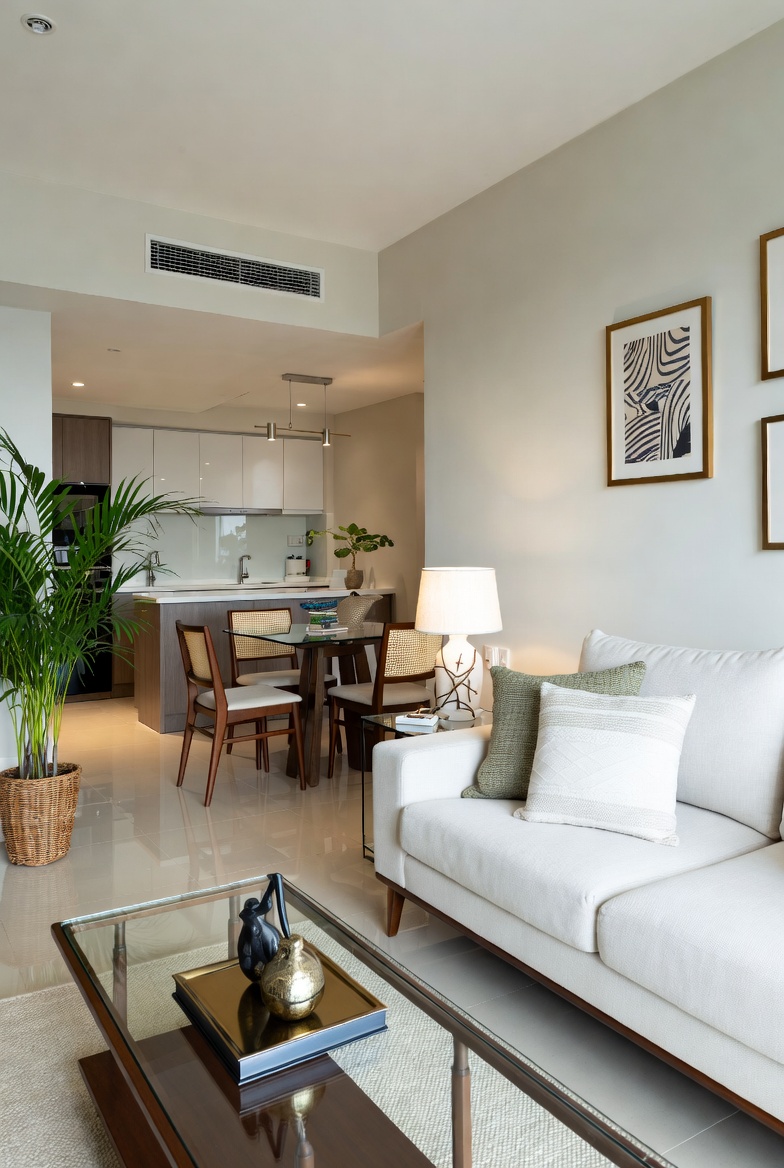
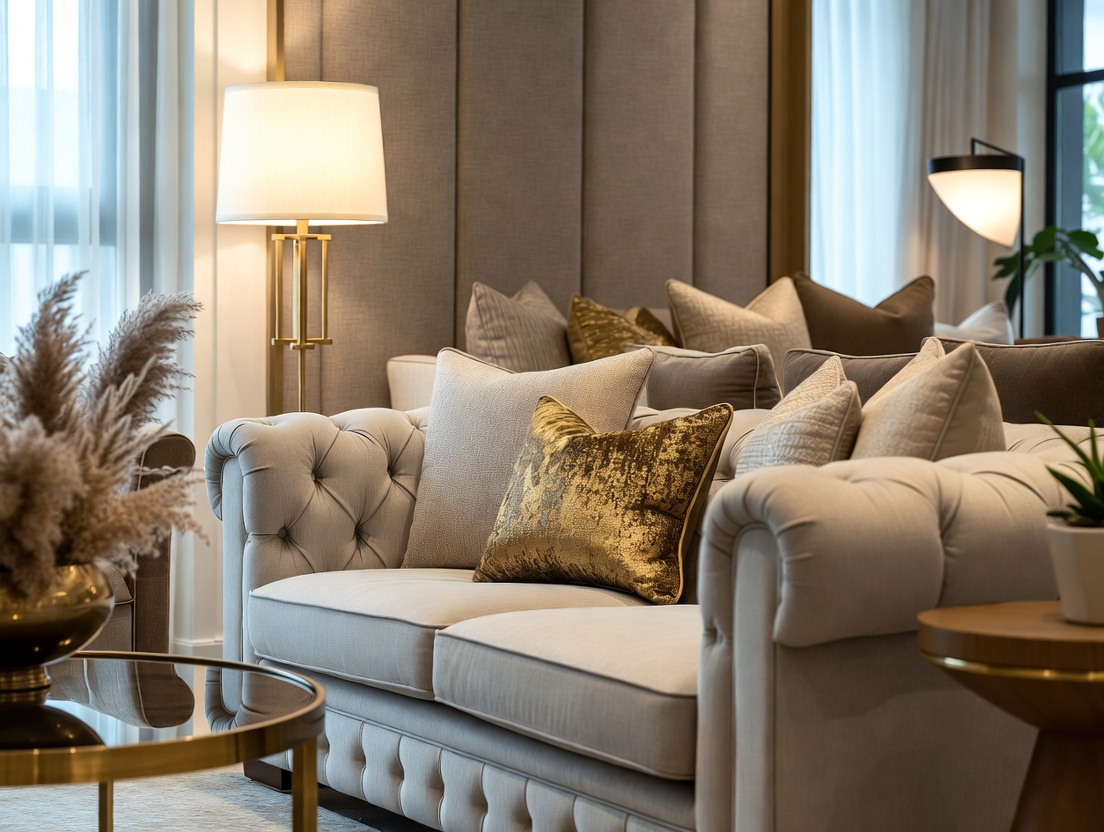
Okay, steady lah! Let's talk about how to make your home go from sian to shiok! After squeezing onto the MRT after a long day, coming home should feel like a warm hug, not another source of stress, right?
Okay, imagine this: you're finally ready to renovate your HDB, condo, or even your landed property. Exciting, right? But before you dive headfirst into Pinterest boards and mood boards, let's talk about something super important that often gets overlooked: lighting! Good lighting? Confirm can make or break a space sia. It's not just about having enough light to see; it's about creating the right mood, highlighting your favourite features, and making your home feel, well, shiok. So, before you even think about knocking down walls or picking out new tiles, let’s assess your existing lighting situation. Trust me, it'll save you a lot of headaches (and money!) down the road.
First things first, walk through each room in your home during different times of the day. Morning, afternoon, evening – even at night. Take notes. Where do you have natural light? Where is it dark and gloomy? Are there any areas where you squint even with the lights on? Like that also no good, right? Pay attention to the direction and intensity of the sunlight. Does the morning sun blast through your bedroom window, waking you up before your alarm? Or does your living room get nice, soft, diffused light in the afternoon? These observations will help you understand the existing lighting conditions and identify areas that need improvement. You might even discover some hidden gems – a previously unnoticed corner that gets beautiful natural light and could be the perfect spot for a reading nook!
Next, take stock of your current light fixtures. What kind of lights do you have? Are they energy-efficient LEDs, old-school incandescent bulbs, or something in between? Do you have a mix of lighting types – overhead lights, lamps, task lighting? How old are they? Are they still working properly? Make a list of all the light fixtures in each room, noting their type, location, and condition. This will give you a clear picture of what you're working with and help you identify any fixtures that need to be replaced or upgraded.
Now, let’s talk about function. Think about how you use each room in your home. What activities do you do there? Do you need bright, focused light for reading or cooking? Or do you prefer soft, ambient light for relaxing and watching TV? Consider the specific lighting needs of each space and how your current lighting setup measures up. For example, your kitchen might need bright overhead lighting for food preparation, as well as task lighting under the cabinets for chopping vegetables. Your bedroom, on the other hand, might benefit from softer, warmer lighting that promotes relaxation and sleep.
Finally, consider the style and aesthetics of your current lighting. Do your light fixtures complement your existing décor? Or do they look outdated and out of place? Do they contribute to the overall atmosphere of the room? Or do they detract from it? With Singapore’s smaller living spaces and humid climate, finding furniture that’s both beautiful and everyday-usable can feel like a endless chase—especially when you want pieces that stand the test of time without losing their look. Many locals end up settling for mass-market options that look okay online but disappoint in real life—either not sturdy enough for daily family use or not breathable enough for our weather. That’s why visiting a reliable furniture shops Singapore curated through Wondrous La Vie really stands out—it connects you directly with curated selections of quality sofas, mattresses, meal-area pieces, and more, with actual physical displays or high-res photos so you can be sure about what suits your flat, apartment, or house. You get that confidence knowing the furniture are chosen for Singapore living—long-lasting builds, smart sizing, and styles that truly make coming home feel good. In the end, the ideal source turns what could be a frustrating task into an fun upgrade process toward a space you can’t wait to return to.. Lighting is an important design element that can greatly impact the look and feel of your home. If your current light fixtures don't match your style or contribute to the desired atmosphere, it might be time to consider replacing them with something more suitable.
Okay, now that you've assessed your existing lighting, let's talk about the different types of lighting you can use to create the perfect ambiance. It's not just about slapping on any old bulb lah. Knowing the different types is key to achieving that shiok feeling when you step into your home. We're talking about ambient, task, and accent lighting – the holy trinity of good lighting design!
Ambient lighting, also known as general lighting, is the primary source of light in a room. It provides overall illumination and allows you to see and move around safely. Think of it as the foundation of your lighting scheme. Common sources of ambient lighting include ceiling fixtures, recessed lights, and chandeliers. The goal of ambient lighting is to create a comfortable and inviting atmosphere without being too harsh or glaring. You want a soft, even glow that fills the room and makes it feel welcoming.
Task lighting, on the other hand, is designed to provide focused illumination for specific tasks, such as reading, cooking, or working. It's brighter and more concentrated than ambient lighting, allowing you to see clearly and avoid eye strain. Common sources of task lighting include desk lamps, under-cabinet lights, and reading lights. When choosing task lighting, consider the specific task you'll be performing and the amount of light you'll need. You want a light that is bright enough to illuminate your work area without creating glare or shadows.
Accent lighting is used to highlight specific objects or areas in a room, such as artwork, sculptures, or architectural features. It adds drama and visual interest to your space and can be used to create focal points. Common sources of accent lighting include spotlights, track lighting, and wall sconces. When using accent lighting, consider the size and shape of the object you're highlighting, as well as the overall style of the room. You want a light that enhances the beauty of the object without being too distracting.
Now, here's where it gets interesting. You can combine these three types of lighting to create a layered lighting scheme that is both functional and beautiful. For example, you could use ambient lighting to provide overall illumination, task lighting to illuminate your kitchen counter, and accent lighting to highlight a piece of art on the wall. By layering your lighting, you can create a space that is both practical and visually appealing. One homeowner shared how connecting with the right designer via Wondrous La Vie turned their cramped HDB living room into a cosy family hangout—suddenly weekends feel so much better, with the right mix of ambient and accent lighting around their new sofa!
And don't forget about natural light! Natural light is the best source of light, and you should always try to maximize it in your home. Open your curtains and blinds during the day to let in as much sunlight as possible. You can also use mirrors to reflect natural light and brighten up dark corners.
Okay, so you know the types of lighting, but how do you actually use them to create a shiok space? That's where lighting design techniques come in! Don't worry, it's not rocket science lah. It's all about understanding how light interacts with space and how you can manipulate it to achieve the desired effect. We’re talking about things like layering, colour temperature, dimming, and placement.
Layering, as we mentioned earlier, is the key to creating a well-balanced and visually appealing lighting scheme. It involves combining ambient, task, and accent lighting to create a space that is both functional and beautiful. By layering your lighting, you can create depth, dimension, and visual interest in your home. Think of it like building a cake – you need all the layers to make it delicious!
Colour temperature refers to the warmth or coolness of a light source. It's measured in Kelvin (K), with lower numbers indicating warmer, yellower light and higher numbers indicating cooler, bluer light. Warm light is ideal for creating a cozy and relaxing atmosphere, while cool light is better for task-oriented spaces where you need to focus and concentrate. For example, you might want to use warm light in your bedroom and living room, and cool light in your kitchen and office.
Dimming is another important lighting design technique that allows you to control the intensity of your lights. Dimmers can be used to create different moods and atmospheres in your home, from bright and energetic to soft and romantic. They can also help you save energy by reducing the amount of electricity you use. Consider installing dimmers in your living room, dining room, and bedroom to create a more versatile and customizable lighting scheme.
Placement is also crucial when it comes to lighting design. The location of your light fixtures can greatly impact the way light is distributed in a room. For example, placing a lamp in a corner can help brighten up a dark space, while positioning a spotlight on a piece of art can draw attention to it. Experiment with different lighting placements to see what works best in your home.
And here's a fun fact: A cosy, well-designed living room or bedroom can actually help you sleep better and feel less stressed after long workdays — small changes, big shiok difference! I've heard so many friends in the group chat complain about the same thing: coming back to a dark, dreary apartment after a long day at the office and OT is sian to the max. But with the right lighting, you can transform your home into a relaxing oasis.
Alright, let's get down to the nitty-gritty. How do you actually apply these lighting design techniques to your Singapore home? Here are some practical tips to help you create a shiok and well-lit space.
First, consider the size and layout of your rooms. Smaller rooms will require less light than larger rooms. Also, consider the shape of your rooms and how light will travel through the space. For example, long, narrow rooms may require multiple light sources to ensure even illumination.
Next, think about the colour scheme of your home. Darker colours absorb more light than lighter colours, so you may need to use brighter lights in rooms with dark walls or furniture. Lighter colours, on the other hand, reflect light and can help brighten up a space.
Don't be afraid to experiment with different lighting styles and techniques. Try combining different types of lighting, using dimmers to create different moods, and playing with the placement of your light fixtures. The key is to find what works best for you and your home.
And remember to choose energy-efficient lighting options, such as LEDs. LEDs are more energy-efficient than traditional incandescent bulbs and can last much longer, saving you money on your electricity bill. They also come in a variety of colours and styles, so you can find the perfect LED lights for your home.
Finally, don't be afraid to seek professional help. If you're feeling overwhelmed or unsure about where to start, consider hiring a lighting designer. A lighting designer can help you create a customized lighting plan that meets your specific needs and preferences. Singapore has some amazing luxury interior design experts who can transform your home with lighting alone!
One homeowner shared how connecting with the right designer via Wondrous La Vie turned their cramped HDB living room into a cosy family hangout—suddenly weekends feel so much better. The right lighting makes all the difference sia!
Ready to ditch the sian and embrace the shiok? Why not pop over to wondrouslavie.com, take the quick quiz, browse sofas/mattresses, or connect with a designer and see what feels right for your space? Confirm can find something that makes your home feel like a true haven after a long day. Wondrous La Vie is Singapore's go-to platform for connecting you to top interior designers and curated furniture/brands.
Alright, let's talk about lighting, lah! You know, after that squeeze on the MRT and a long day at the office, the last thing you want is to come home to a house that feels like a dimly lit cave. Confirm plus chop, good lighting can make or break your mood, right? So, before you even think about knocking down walls or picking out new tiles, let's get your existing lighting situation sorted. It's a super important part of any luxury interior design Singapore project, and it'll save you headaches down the road.
Okay, so where do we even start? Think of it like this: your existing lighting is the canvas, and your renovation is the masterpiece you're about to paint. You need to know what you're working with! Grab a notebook (or your phone, steady lah), and let's go room by room.
1. Inventory Time: What Lights Do You Actually Have?
This isn't just about counting light bulbs, okay? We're talking about a full-on lighting audit. Make a list of every single light fixture in your home. Ceiling lights, lamps, even those little under-cabinet lights in your kitchen. Note down the type of bulb each one uses (LED, fluorescent, halogen – you know, the usual suspects). Also, jot down if it’s a warm, cool, or daylight bulb. This is important, because when you start thinking about interior design, you'll want to create a consistent vibe.
Why bother? Well, imagine spending a ton of money on a modern living room furniture Singapore set, only to have it look totally different under different lighting! One homeowner shared how swapping out harsh fluorescent lights for warm LEDs completely transformed their living room into a cosy haven. Suddenly, weekends felt a lot more shiok!
2. The Dreaded Functionality Check: Are They Even Working?
Okay, be honest, how many light bulbs are currently burnt out in your house? Don't be shy, we've all been there! Now's the time to replace them. But more importantly, check if the fixtures themselves are working properly. Are there any flickering lights? Loose connections? This is especially important for older HDB flats. Safety first, always!
And while you’re at it, test all your switches! Do they control the lights they’re supposed to? Sometimes, especially in older homes, the wiring can be a bit... wonky. Identifying these issues now will save you from electrical surprises later. Plus, imagine getting your bedroom design Singapore all perfect, and then realizing you can't even turn on the lights without tripping the circuit breaker! Sian, right?
3. The Natural Light Factor: Where Does the Sun Shine?
Singapore is sunny, no doubt about it. But depending on which direction your flat faces, you might get a lot of morning sun, harsh afternoon sun, or very little direct sunlight at all. Observe how natural light enters each room at different times of the day. This will heavily influence your interior design choices.
For example, if your living room gets blasted by the afternoon sun, you might want to consider sheer curtains or blinds to soften the light. On the other hand, if your bedroom is perpetually dark, you'll need to rely more on artificial lighting to brighten it up. This is where lighting design techniques come in! You can use layering (ambient, task, and accent lighting) to create the perfect mood.
4. Style and Aesthetics: Do They Match Your Dream Home Vision?
Okay, let's be real. Those builder-grade light fixtures that came with your HDB flat? They're probably not exactly luxury interior design Singapore material, right? Think about whether your existing lights fit the overall style you're going for. Are they modern and minimalist? Or are they more traditional and ornate?
If they don't match your vision, that's perfectly fine! This is a pre-renovation checklist, after all. Just make a note of which fixtures you want to replace. Maybe you're dreaming of a statement chandelier for your dining room, or sleek track lighting for your kitchen. Write it all down!
5. Singaporeans are always on the lookout for smart ways to revamp their interiors without spending too much, especially when HDB renovations or condo makeovers can already consume a large portion of the reno savings. Between higher living expenses and the wish for a comfier, better-organised environment, many local families hold off for the perfect moment to improve couches, beds, and dining furniture that actually improve home living noticeably. That’s when jumping on furniture promotion Singapore proves to be a smart move—it lets you snag premium quality furniture at significant savings, often with bonus offers like complimentary installation, longer guarantees, or combo savings that stretch your dollar further. SUDDENLY it becomes possible to get that luxury seating you’ve wanted or a supportive mattress upgrade without the regret, turning your home into an even cosier haven for quality family moments and unwinding after long workdays. Checking platforms like Wondrous La Vie helps you stay updated on the latest offers, so you can review, see in 3D, and snap up the best deals that fit your home and taste just right.. Energy Efficiency: Are You Burning Money, Literally?
Old light bulbs are energy vampires, sucking money out of your wallet every month! Seriously, switching to LED bulbs is one of the easiest and most cost-effective ways to save money on your electricity bill. Plus, they last way longer, so you won't have to climb up on a ladder to change them every few months.
Consider upgrading to smart lighting systems that allow you to control the brightness and color temperature of your lights. This not only saves energy but also lets you create different moods for different occasions. Imagine dimming the lights for a romantic dinner, or brightening them up for a game night with friends. Shiok, right?
Now, I know this sounds like a lot of work, but trust me, it's worth it. By taking the time to assess your existing lighting, you'll be well-prepared to make informed decisions about your luxury interior design Singapore project. And who knows, you might even discover some hidden lighting gems that you can incorporate into your new design!
Ready to take the next step? Why not hop over to wondrouslavie.com? You can browse through tons of HDB interior design ideas, find the best mattress for back pain Singapore, or even connect with top interior designers Singapore who can help you create the home of your dreams. Confirm can!