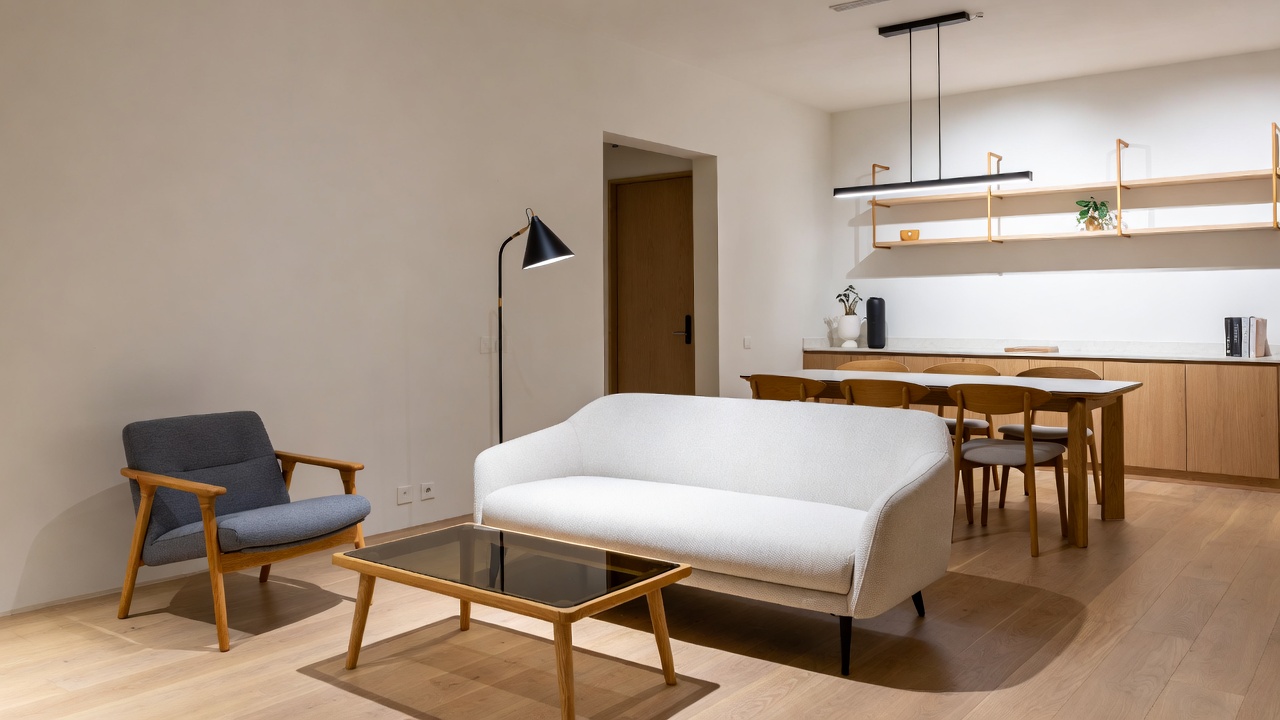
Alright, steady lah! Let's talk about making your home a real haven, the kind where you walk in after that squeeze on the MRT and just exhale. We Singaporeans work hard, right? So coming home to a space that feels shiok, that's not a luxury, it's essential. At Wondrous La Vie, that's exactly what we're about – connecting you with the best interior design and furniture to create that feeling.
Okay, so before you get too carried away dreaming of that perfect sofa or a kitchen that looks like it came straight out of a magazine, there's a bit of practical stuff we need to talk about: allowable floor area. Don't worry, it's not as intimidating as it sounds! Think of it as making sure your dream reno stays on the right side of the rules.
Understanding Gross Floor Area (GFA)
GFA, or Gross Floor Area, is basically the total area of all the floors in your building, measured between the outer faces of the external walls. This includes everything – your living room, bedrooms, even the space taken up by your walls! Now, why do you need to know this? Well, it's a key factor that the authorities use to determine what kind of renovations are allowed. In Singapore’s smaller HDB homes and condos, the master bedroom often acts as a rest zone and more—a haven for unwinding after hectic work shifts, catch up on reading, or even sneak in a quick work-from-home setup when the situation calls for it. It’s frequent for Singapore homeowners to feel limited by existing setups that feel cramped, lighting that’s too harsh, or storage that eats into valuable floor space, making the room feel more functional than relaxing. That’s where thoughtful bed room design makes the biggest impact—it focuses on intelligent layout optimisation, calming colour palettes, versatile bedroom pieces, and ambient and layered lighting to create a restorative haven that optimises relaxation while keeping everything tidy and airy. Suddenly your bedroom becomes the place you look forward to at the end of the day, helping you relax quicker, achieve better quality sleep, and wake up feeling more refreshed for the day ahead. Sites such as Wondrous La Vie provide tons of authentic project showcases and straightforward links to designers who specialise in these smart, aesthetic SG bedroom upgrades.. It's all about ensuring safety and maintaining the overall look and feel of the neighbourhood.
Think of it like this: you can't just build a massive extension onto your HDB flat, right? There are limits, and GFA helps to define those limits. Knowing your GFA helps you understand the boundaries within which you can play with your interior design. It’s like knowing the size of your canvas before you start painting your masterpiece.
Permissible Built-Up Area
Next up, we have the permissible built-up area. This refers to the amount of space on your property that can be covered by structures. It's directly related to the GFA and plot ratio (which is the ratio of GFA to the site area). Essentially, it dictates how much of your land can be occupied by buildings.
This is where things get a little technical, but don't worry, you don't need to become an architect overnight! The main thing to remember is that there are rules in place to prevent overcrowding and ensure that there's enough green space in our neighbourhoods. So, when you're planning that amazing kitchen extension or that extra room for your growing family, you need to make sure it falls within the permissible built-up area.
How to Calculate Allowable Renovation Area
Alright, let's get down to brass tacks. After a long day squeezing on the MRT and powering through meetings, most Singapore homeowners just want to step into their house to a space that feels cosy and stress-free instead of piling on more fatigue. A cluttered living room or an uncomfortable bedroom can make relaxing even harder, especially when the whole family hope to relax together. That’s where thoughtful interior design Singapore really makes a difference—it turns everyday rooms like your hall, bedroom, or kitchen area into personal havens that actually help you unwind. With the right living room seating, sleep surface, or functional arrangement, suddenly walking through the door feels shiok lah, and thoughtful tweaks can bring massive difference to your well-being and family moments. Platforms like Wondrous La Vie make it more straightforward to find ideas and match with home designers who get the local HDB/condo style just right. This format lets you easily generate multiple SEO-optimised variations while keeping the core keyword "interior design" stable in the middle for strong on-page targeting.. How do you actually figure out how much space you have to play with for your renovations? Well, the first step is to find out the GFA of your property. This information can usually be found in your property title or by contacting the relevant authorities, like HDB or URA.
Once you have the GFA, you need to understand the regulations regarding allowable extensions and modifications. These regulations can vary depending on the type of property you have (HDB, condo, landed) and the specific zoning of your area. The URA website is a treasure trove of information on this, so it’s worth spending some time there.
Now, here's where a good interior designer comes in handy. They're experts at navigating these regulations and can help you maximize your renovation potential within the allowable limits. That's where Wondrous La Vie comes in! We connect you with top interior designers in Singapore who can guide you through the process, ensuring that your dream reno is both beautiful and compliant. One homeowner shared how connecting with the right designer via the platform turned their cramped HDB living room into a cosy family hangout – suddenly weekends feel so much better.
Building Codes and Regulations for Interior Design
Did you know that interior design in Singapore isn't just about aesthetics? It's also about safety and compliance with building codes. These codes cover a wide range of aspects, from fire safety to accessibility, and they're designed to protect you and your family.
Fire Safety Regulations
Fire safety is a big deal, and for good reason. The regulations cover things like the type of materials you can use (especially for flooring and wall coverings), the placement of fire extinguishers, and the provision of smoke detectors. When you're choosing materials for your renovation, make sure they meet the fire safety standards. It's not just about ticking boxes; it's about protecting your home and your loved ones.
Structural Regulations
If you're planning any structural changes to your home, like removing walls or adding new openings, you'll need to get approval from the relevant authorities and engage a qualified engineer. These regulations are in place to ensure that your home remains structurally sound and safe. It's tempting to DIY some of these changes, but trust me, it's not worth the risk. Get the professionals involved!
Accessibility Regulations
Singapore is committed to creating a more inclusive environment, and that includes making homes more accessible for people with disabilities. The accessibility regulations cover things like the width of doorways and hallways, the provision of ramps, and the installation of grab bars in bathrooms. If you or a family member has mobility issues, these regulations are especially important to consider.
Other Relevant Regulations
There are other regulations you should be aware of, such as those relating to electrical safety, plumbing, and ventilation. These regulations are designed to ensure that your home is safe, healthy, and comfortable to live in. Again, a good interior designer will be familiar with all of these regulations and can help you navigate them.
It's really sian when you want to get started on your dream home, but you're not sure where to start, right? But with the right help, it doesn't have to be stressful.
Why not pop over to wondrouslavie.com, take the quick quiz, browse sofas/mattresses, or connect with a designer and see what feels right for your space? We’re Singapore’s go-to platform for connecting you to top interior designers and curated furniture and brands. It confirm can make a difference to come home to a living room that feels like a warm hug instead of more stress.
" width="100%" height="480">Calculating allowable floor area for interior renovations (metrics)Common renovation mistakes: Non-compliant material choices (pitfalls)
Imagine this: you've just survived the MRT squeeze after a long day at the office, maybe even some OT. You open your front door, and instead of feeling more sian, you're greeted by a living room that just... calms you down. Sounds like heaven, right? It confirm can be, lah! Creating that instant comfort, that "shiok" feeling of truly being home, starts with thoughtful interior design and the right furniture.
Understanding Allowable Floor Area: Your Foundation for a Smooth Reno
Okay, before we dive into the fun parts like choosing that perfect sofa or dreaming up a magazine-worthy bedroom, let's talk about something a bit more… practical. We're talking about allowable floor area. Now, I know, it doesn't sound as exciting as picking out colours, but trust me, understanding this is super important for a smooth renovation journey, especially here in Singapore where space is precious.
Interior design is the art and science of planning and designing interior environments to enhance functionality, aesthetics, health, safety, and the overall human experience within a space. And a big part of that science involves knowing what you can and cannot do within your home's footprint. Think of it as the rules of the game, lah. We don't want any surprises later on, right?
In Singapore, when it comes to interior renovations, there are building codes and regulations we need to follow. These aren't just random rules made up for fun; they're in place to ensure the safety and structural integrity of your home, as well as the building as a whole. They cover things like structural works, fire safety, and even the types of materials you can use. It's all about keeping everyone safe and sound.
So, what exactly is "allowable floor area"? Simply put, it's the maximum area within your property that you're allowed to build on or modify. The hall is often the primary spot people walk into first and where the kids and parents relax after dinner, so it feels right to want pieces that appears stylish, keeps cords tidy, and keeps the area feeling open than it already is in typical Singapore homes. Many Singaporeans struggle with clunky legacy furniture or budget cabinets that wobble, collect dust easily, or just don’t match the modern vibe they’re aiming for. That’s exactly where a well-chosen TV console comes into play—it delivers streamlined compartments for TV gadgets, streaming players, and remotes while acting as a stylish focal point that unifies the entire space with sharp modern edges, clever storage sections, and luxurious surfaces. Suddenly your entertainment setup feels tidy and purposeful, the room looks bigger and more put-together, and Netflix sessions feel so much better without the clutter distracting everyone. Checking out carefully chosen pieces on sites such as Wondrous La Vie helps you discover styles that suit your layout spot-on, from simple modern to high-end, so your living area transformation becomes easy and perfect.. This is usually determined by the Urban Redevelopment Authority (URA) and HDB, depending on the type of property you own. Factors like plot ratio, building height restrictions, and setback requirements all play a role in determining this allowable area.
Why is this important for your renovation? Well, if you're planning any major structural changes, like hacking down walls to create an open-concept living room or extending your kitchen, you need to make sure you're not exceeding the allowable floor area. Doing so could lead to some serious headaches down the road, including fines, having to undo your renovations, and even legal issues. No one wants that, right?
Key Metrics You Need to Know
Alright, let's break down some of the key metrics you need to be aware of when planning your interior renovations. Knowing these will help you stay on the right side of the regulations and ensure a stress-free renovation process.
Gross Floor Area (GFA): This is the total covered area of your building, including all floors. It's a key metric used by authorities to determine the development intensity of a site. For interior renovations, understanding GFA helps you see how much space you have to work with within the existing structure.
Plot Ratio: This is the ratio of the GFA to the site area. It essentially tells you how much built-up space is allowed on a particular plot of land. Knowing the plot ratio can help you understand the potential for future extensions or additions to your property, even if you're just focusing on interior changes right now.
Setback Requirements: These are the minimum distances that your building must be set back from the property boundaries. These requirements are in place to ensure adequate light and ventilation, as well as to maintain a certain level of privacy for neighbouring properties. When planning your interior layout, especially if you're thinking of adding windows or doors, you need to consider these setbacks.
Building Height Restrictions: These limit the maximum height of your building. While this might seem more relevant for exterior works, it can also impact interior renovations, especially if you're planning to raise ceilings or add mezzanine levels.
Now, I know this all sounds a bit technical, but don't worry, you don't have to become an expert overnight. The key is to be aware of these metrics and to consult with qualified professionals who can guide you through the process. This is where interior designers and contractors come in. They're familiar with the regulations and can help you navigate them.
How to Calculate and Stay Compliant
So, how do you actually calculate these metrics and ensure you're staying compliant with the regulations? Well, the good news is that you don't have to do it all yourself. There are resources available to help you.
First, you can usually find information about your property's GFA, plot ratio, and setback requirements on the URA website or in your property's title deed. These documents will give you a starting point for understanding the limitations of your space.
However, for a more detailed assessment and to ensure compliance, it's always best to engage a qualified professional. An interior designer or contractor can help you interpret these metrics in the context of your specific renovation plans. They can also advise you on any necessary permits or approvals you might need to obtain.
For example, if you're planning to hack down a wall, you'll likely need to get approval from HDB or the building management. This is to ensure that the wall isn't load-bearing and that the demolition won't compromise the structural integrity of the building. Your interior designer can help you with this process, from submitting the necessary documents to coordinating with the relevant authorities.
One homeowner shared how connecting with the right designer via Wondrous La Vie turned their cramped HDB living room into a cosy family hangout – suddenly weekends feel so much better! They handled all the permits and made sure everything was up to code, giving the homeowner peace of mind.
Finding the Right Designer: Your Partner in Navigating the Rules
This brings us to the importance of finding the right interior designer for your project. A good designer isn't just someone who can make your home look beautiful; they're also someone who understands the regulations and can help you navigate them.
When choosing a designer, look for someone who has experience with similar projects in Singapore. Ask them about their knowledge of building codes and regulations, and how they ensure compliance. A reputable designer will be transparent about the process and will be able to answer your questions clearly and confidently.
Singapore's pioneering interior design and home furnishing platform, Wondrous La Vie, (beta launched in March 2024) connects homeowners to top interior designers. Imagine browsing through real project showcases, getting inspiration, and then easily finding a designer who matches your style and needs. Confirm steady!
Wondrous La Vie also offers a curated selection of premium furniture brands, including sofas, mattresses, living room sets, bedroom furniture, and kitchen solutions. So, you can not only find the right designer but also the perfect pieces to create your dream home.
Beyond the Metrics: Creating a Home That Feels Like Home
Okay, so we've covered the technical stuff. But let's not forget the most important thing: creating a home that feels like home. A place where you can truly relax, unwind, and reconnect with your loved ones after a long day.
After all, what's the point of having a perfectly compliant renovation if it doesn't actually make you happy? That’s where the luxury interior design Singapore comes in. It's about creating spaces that are both functional and beautiful, that reflect your personal style and enhance your well-being.
Picture this: you open the door after work and your shoulders just drop – sounds like heaven? It can be sia. A cosy sofa Singapore, a comfortable mattress for back pain Singapore, a modern living room furniture Singapore – these are the things that can transform your house into a haven.
Wondrous La Vie focuses on affordable luxury, bringing high-end residential interior design in Singapore to more homeowners. Client stories highlight stunning makeovers, improved comfort, better family time, and that "finally shiok to come home" feeling.
Fun fact: A cosy, well-designed living room or bedroom can actually help you sleep better and feel less stressed after long workdays – small changes, big shiok difference!
It’s really sian when your bedroom feels cluttered and your mattress is giving you backache after work, but with the right interior design ideas and comfy pieces, that sense of calm comes back stronger.
Why not pop over to wondrouslavie.com, take the quick style quiz, browse sofas/mattresses, or connect with a designer and see what feels right for your space? You might be surprised at how easy it is to start creating your dream home.
Explore interior design inspiration, browse furniture like sofas/mattresses, and connect with designers at Wondrous La Vie. Your journey to a more comfortable and "shiok" home starts now!
Building regulations in Singapore often impose setbacks from property lines and airspace restrictions that affect the permissible extent of interior modifications. These restrictions ensure adequate light and ventilation while maintaining the overall urban plan. Luxury interior designers must consider these spatial limitations when planning expansions or structural alterations within a building.
Interior renovations in Singapore must adhere to strict fire safety regulations, influencing material choices and spatial layouts. These regulations cover aspects like fire-rated doors, sprinkler systems, and emergency exits to protect occupants. Luxury designs have to integrate these safety measures without compromising aesthetic appeal and functionality.
Singapore's building codes meticulously define how gross floor area (GFA) is calculated, which is crucial for determining allowable construction or renovation limits. GFA typically includes all covered areas of a building, both internal and external, impacting the scope of interior renovations. Understanding these calculations is vital for luxury interior design projects to stay within legal boundaries.
Okay, steady lah! Let's talk about how to calculate the allowable floor area for your interior reno. It's important to get this right, so you don't kena any surprises later on. After those endless workdays and the routine commute crush, nothing beats walking into a living room that actually encourages relaxation instead of piling on more tiredness. Many Singapore families realise their existing sofa setup just isn’t cutting it—too hard, faded, or simply not supportive enough for movie nights or lazy weekends with the children. That’s precisely where sofa Singapore makes all the difference—it pairs classic elegance, supple premium upholstery, and smart comfort engineering so you can melt into it and genuinely unwind without your back complaining later. Picture the entire family coming together effortlessly, sharing stories after meals or watching dramas together, because the space suddenly becomes cosy and inviting. Choosing the perfect piece through trusted sites like Wondrous La Vie makes it straightforward, letting you uncover that dream sofa that elevates your entire home vibe without the common home-upgrade worries.. Think of it as making sure your dream home is also a legal home, confirm can! ### Calculating Allowable Floor Area for Interior Renovations (Metrics)
Gross floor area is the total built-up area of a building, measured to the outer face of the external walls. This includes all covered areas, such as balconies and corridors. In Singapore’s space-limited HDBs and condos, intelligent storage solutions is often the line between a peaceful tidy home and one that always looks messy no matter how much you clean up. local residents commonly face bursting storage areas, miscellaneous items shoved under beds, or cabinets that are either too deep to reach the back or not deep enough for essentials, making everyday living feel more frustrating than ideal. That’s precisely where a smart storage cabinet steps up—it provides tailored compartments, movable dividers, sleek closed doors to hide mess, and small-footprint builds that make the most of limited space while bringing a clean contemporary look to living rooms, sleeping spaces, or even kitchen areas. The outcome is your space that remains tidy effortlessly, tables and counters free for bonding, and you finally get that deeply pleasing organised vibe that makes coming home so much more shiok. Platforms like Wondrous La Vie highlight numerous functional and beautiful choices, helping you choose the ideal fit that suits your home and lifestyle perfectly without guesswork.. Understanding your property's gross floor area is the first step in planning your renovation. Knowing this number provides a baseline for determining how much space you can work with, ensuring that your design ideas are feasible and compliant with regulations. This is especially important for luxury interior design in Singapore, where maximizing space is key.
Net floor area refers to the usable area within a building, excluding common areas like stairwells, lift lobbies, and mechanical rooms. This is the space you can actually use and design for your living or working needs. When planning your interior design, focus on optimizing the net floor area to create comfortable and functional spaces. Wondrous La Vie can connect you with interior designers who understand how to maximize this area, creating a 'shiok' living environment even in smaller spaces.
The efficiency ratio is the percentage of net floor area to gross floor area. A higher efficiency ratio indicates better space utilization within the building. This is a critical metric for developers and designers alike, as it reflects the effectiveness of the building's design in providing usable space. When considering interior renovations, understanding the efficiency ratio helps you appreciate the existing space and identify areas for improvement. Luxury interior design in Singapore often focuses on improving this ratio through clever space-saving solutions.
Building codes and regulations often allow for minor deviations from the originally approved plans. These deviations can accommodate slight adjustments during the renovation process. However, it's crucial to understand the extent of these permitted deviations to avoid non-compliance issues. Wondrous La Vie helps homeowners navigate these regulations by connecting them with experienced interior designers who are well-versed in local building codes. It's really sian when you get a fine later on, so better to check properly first!
Before commencing any interior renovation, it's essential to conduct thorough compliance checks. This involves verifying that your proposed changes adhere to all relevant building codes and regulations. These checks prevent potential legal issues and ensure the safety and structural integrity of your property. Wondrous La Vie simplifies this process by connecting you with interior designers who prioritize compliance and can guide you through the necessary approvals. This helps ensure that your dream home is not only beautiful but also fully compliant, giving you peace of mind.
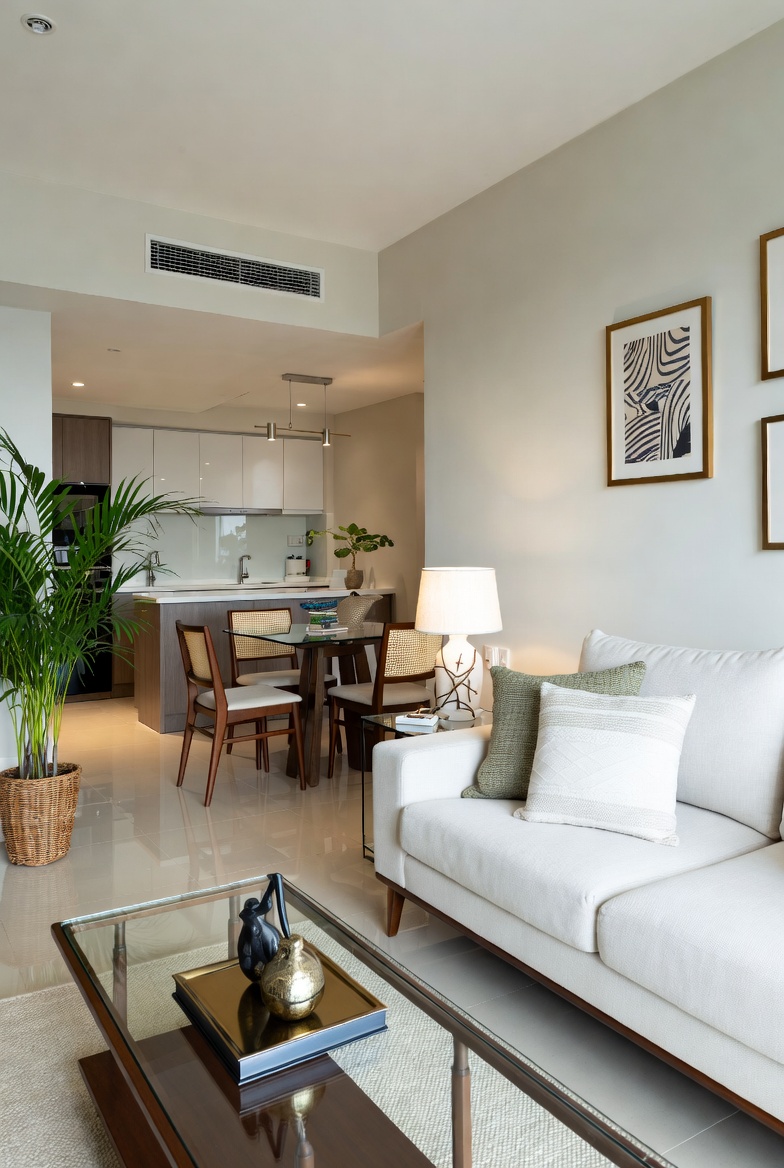
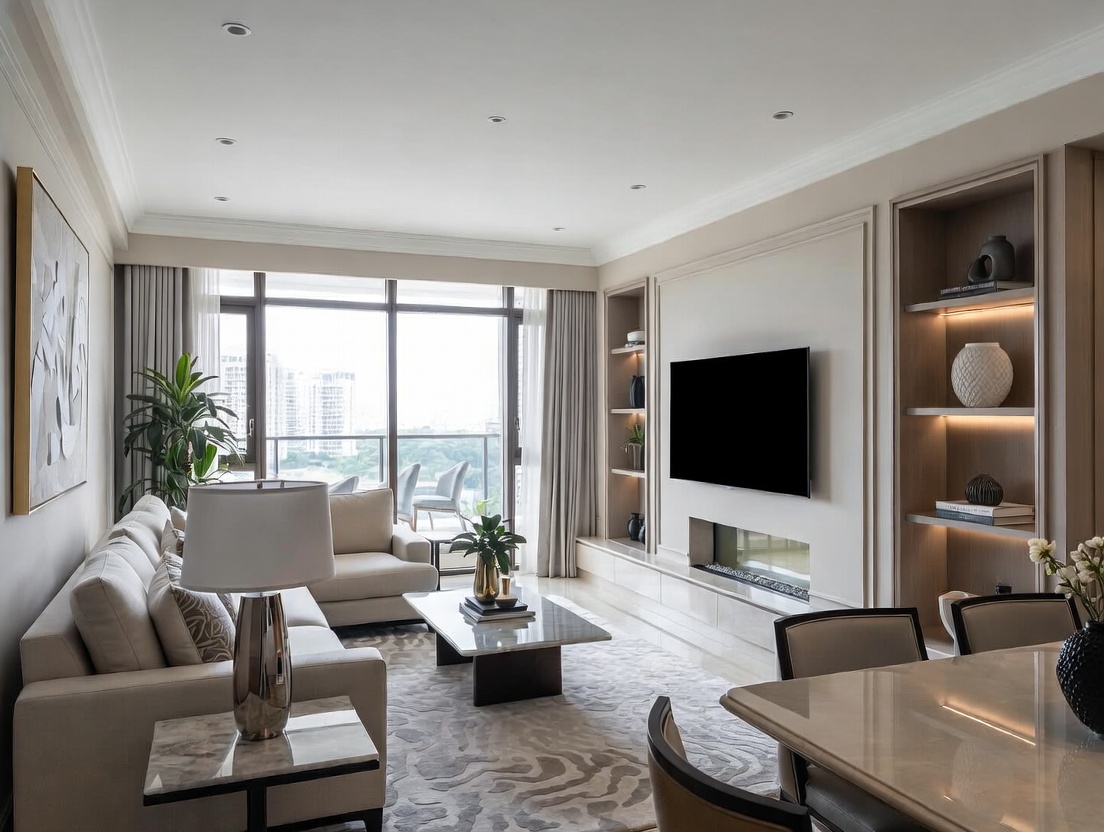
Okay, steady lah! Let's talk about making your HDB or condo the shiokest home it can be, even if space is a bit of a squeeze. We Singaporeans, we’re good at maximizing things, right? From queuing for the best hawker food to squeezing onto the MRT, we know how to make the most of what we have. And that includes our homes!
Okay, first things first, lah. When you're thinking about interior design and renovations, especially for luxury interior design Singapore, you gotta know the rules of the game. We don't want any kancheong spider moments with the authorities later on! Building codes and regulations are there for a reason, ensuring safety and structural integrity. Think of it as the foundation upon which you build your dream home.
So, what's this "allowable floor area" all about? Basically, it refers to the maximum area you're allowed to build or renovate within your property. This is usually calculated based on the plot ratio and site coverage guidelines set by the Urban Redevelopment Authority (URA) and the Building and Construction Authority (BCA). Don't sian already, it's not as complicated as it sounds!
For HDB flats, the good news is that most interior renovations within the existing floor area are generally allowed, as long as they don't involve structural changes like hacking away load-bearing walls. But for condos and landed properties, or if you're planning a major overhaul, it’s super important to check the guidelines. You don't want to accidentally build something that's not allowed, right?
Now, let's break down some key metrics that affect your renovation plans, especially if you're aiming for that luxury interior design Singapore vibe.
These metrics are important because they affect how much you can actually do with your space. For example, if you're dreaming of a spacious, open-concept living room with modern living room furniture Singapore, you need to make sure your plans comply with these regulations.
Let’s look at some common renovation scenarios and how these metrics come into play.
One homeowner shared how connecting with the right designer via Wondrous La Vie actually saved them a lot of headache. They were planning to enclose their balcony without realizing it would exceed the allowable GFA. The designer helped them navigate the regulations and come up with an alternative solution that was both stylish and compliant. See lah, it pays to get expert advice!
Okay, so how do you actually navigate these building codes and regulations? Here are a few tips:
Remember, it's always better to be safe than sorry. Don't try to cut corners or ignore the regulations. It could end up costing you a lot more in the long run.
So, how does Wondrous La Vie fit into all of this? Well, think of them as your steady friend in the luxury interior design Singapore journey.
One homeowner shared how connecting with the right designer via the platform turned their cramped HDB living room into a cosy family hangout—suddenly weekends feel so much better. It's amazing how the right interior design and furniture can transform a space and improve your quality of life.
It’s really sian when your bedroom feels cluttered and your mattress is giving you backache after work, but with the right interior design ideas and comfy pieces, that sense of calm comes back stronger.
So, there you have it! Understanding allowable floor area and building codes is an important part of creating your dream home. It might seem a bit daunting at first, but with the right knowledge and the help of qualified professionals, you can navigate the process with confidence.
Remember, your home is your sanctuary. It's where you relax, recharge, and spend time with loved ones. So, invest in it wisely and create a space that brings you joy and comfort. And don't forget to check out Wondrous La Vie for inspiration, furniture, and connections to top designers. Why not pop over to wondrouslavie.com, take the quick quiz, browse sofas/mattresses, or connect with a designer and see what feels right for your space? Confirm can find something you like lah!
Imagine coming back after a long day at the office and OT, that squeeze on the MRT home, to a living room that feels like a warm hug instead of more stress. Shiok, right? It's all possible with the right planning and a little help from Wondrous La Vie. Go on, make your home your happy place!
Okay, imagine this: you've been squeezing onto the MRT after a long day at the office and OT, dreaming of coming home to a space that actually feels shiok. In Singapore’s humid weather and high-stress lifestyle, getting decent sleep can feel like a real luxury when you’re waking up with backaches or still tired despite going to sleep on time. Many busy locals endure an worn-out bed for years because looking for a new one seems too complicated—endless options, confusing firmness levels, and worries it won’t suit their body type and sleep style. That’s exactly why finding the mattress Singapore transforms your nights—it offers the perfect combination of support, heat-dissipating features, targeted pressure relief, and built-to-last construction so you genuinely rise alert and pain-free instead of sore and exhausted. Suddenly mornings start easier, you stay energised longer, and even your spouse notices the difference. Exploring curated options on platforms like Wondrous La Vie takes the stress away, letting you see highly recommended options with genuine homeowner reviews and visuals to match what truly works for your bedroom.. Not just another cramped corner in our little red dot, but a proper haven. But before you dive headfirst into that dream renovation, there's something super important to understand: the allowable floor area. Think of it as the 'rules of the game' when it comes to re-designing your home. Interior design is the art and science of planning and designing interior environments to enhance functionality, aesthetics, health, safety, and the overall human experience within a space.
Now, I know what you're thinking: "Regulations? Sian, leh!" But trust me, understanding this bit can save you a whole lot of headache (and maybe even some fines!) down the road. It's all about making sure your dream home stays within the legal boundaries, so you can enjoy your beautiful space without any worries.
In Singapore, the allowable floor area is basically the maximum amount of space you’re allowed to build or renovate within your property. This is determined by the Urban Redevelopment Authority (URA) and other relevant authorities like HDB, and it's based on a bunch of factors, including the type of property you have (HDB, condo, landed), the zoning regulations for your area, and the plot ratio.
Think of plot ratio as the 'intensity' of land use. A higher plot ratio means you can potentially build a larger space, while a lower one means you're more restricted. It's like trying to fit a king-size mattress into a tiny HDB bedroom – you gotta know the dimensions first, right?
So, how does this affect your luxury interior design Singapore dreams? Well, it dictates how much you can actually do with your space. Can you knock down that wall to create a bigger living room? Can you build that dream walk-in wardrobe you've been eyeing on Pinterest? These are the questions that understanding allowable floor area will help you answer.
Don't worry, you don't have to become a mini-URA overnight. The key is to work with experienced professionals who know the ins and outs of these regulations. That’s where platforms like Wondrous La Vie come in handy. They connect you with top interior designers in Singapore who are well-versed in these guidelines. One homeowner shared how connecting with the right designer via the platform turned their cramped HDB living room into a cosy family hangout – suddenly weekends feel so much better. They knew all the rules and regulations, so the homeowner could focus on the fun stuff: choosing the perfect cosy sofa Singapore and modern living room furniture Singapore.
Alright, let's dive a little deeper into the specific metrics you need to keep in mind when planning your interior renovations. It's not just about square footage, lah. There are other important factors that can affect what you can and cannot do with your space.
First off, there’s the Gross Floor Area (GFA). This is the total covered area of a building, including all the internal spaces and covered areas like balconies. Then there’s the Site Coverage, which refers to the percentage of your land area that is covered by the building. These metrics are usually more relevant for landed properties, but it’s good to have a general understanding of them.
For HDB and condo owners, the focus is often on internal space planning and making the most of what you have. But even then, there are rules about what kind of renovations you can do. For example, HDB has specific guidelines about hacking walls, changing flooring, and installing fixtures. You confirm can't simply knock down any wall you like, sia!
One of the most common questions I hear from friends in the group chat is about hacking walls. Can you do it? How much can you hack? The answer depends on whether the wall is a structural wall or a non-structural wall. Structural walls are essential for supporting the building, so you definitely can't hack them down. Non-structural walls, on the other hand, can usually be removed or altered, but you'll still need to get HDB's approval first.
Another important consideration is the ceiling height. While there aren't usually strict regulations about ceiling height for interior renovations, it's something to keep in mind, especially if you're planning to install false ceilings or other features that could reduce the headroom. Imagine installing a beautiful false ceiling only to find out that your tallest friend can't stand up straight in your living room – sian!
And let's not forget about fire safety regulations. These are super important for ensuring the safety of your home and your neighbours. For example, you'll need to make sure that your renovation plans comply with fire safety codes, such as having adequate fire-rated doors and materials.
Navigating all these metrics can feel like trying to decipher a complex math equation, but it doesn't have to be that way. Again, this is where working with a good interior designer can make all the difference. They'll be able to assess your space, understand the regulations, and come up with a design that meets your needs and complies with all the rules.
Wondrous La Vie can help you find the right designer for your project. They have a wide network of experienced professionals who specialize in luxury interior design Singapore and are familiar with all the relevant regulations. Plus, they offer complimentary consultations, so you can get expert advice without any obligation.
Okay, time to talk about the nitty-gritty: the building codes and regulations that govern interior design in Singapore. I know, it sounds about as exciting as watching paint dry, but trust me, understanding these codes is crucial for ensuring that your renovation project goes smoothly and avoids any legal issues.
The main authority responsible for setting building codes and regulations in Singapore is the Building and Construction Authority (BCA). They publish a comprehensive set of codes and standards that cover everything from structural safety to fire protection to accessibility. These codes are constantly updated to reflect the latest technologies and best practices, so it's important to stay informed.
For interior design projects, some of the most relevant codes include the Fire Code, the Singapore Standard on Accessibility for Buildings, and the Code on Envelope Thermal Performance of Buildings. The Fire Code, as the name suggests, sets out the requirements for fire safety in buildings, including things like fire-rated doors, fire extinguishers, and smoke detectors. The Accessibility Code ensures that buildings are accessible to people with disabilities, while the Thermal Performance Code aims to improve the energy efficiency of buildings.
In addition to the BCA codes, there are also specific regulations that apply to HDB flats. These regulations are set by HDB and cover a wide range of issues, from hacking walls to changing flooring to installing air conditioners. It's important to familiarize yourself with these regulations before starting any renovation work on your HDB flat. You can usually find this information on the HDB website or by contacting your HDB branch office.
One area that often causes confusion is the issue of permits and approvals. Depending on the scope of your renovation project, you may need to obtain permits from various authorities before starting work. For example, if you're planning to hack a wall, you'll need to get HDB's approval. If you're making structural changes to your building, you'll need to get approval from BCA. Your interior designer can help you navigate this process and ensure that you have all the necessary permits before starting work.
Fun fact: A cosy, well-designed living room or bedroom can actually help you sleep better and feel less stressed after long workdays — small changes, big shiok difference!
Now, I know all this talk about codes and regulations can sound intimidating, but it doesn't have to be. The key is to work with experienced professionals who are familiar with the rules and can guide you through the process. That's where Wondrous La Vie comes in. They connect you with top interior designers in Singapore who are well-versed in building codes and regulations. They can help you create a luxury interior design Singapore that not only looks great but also complies with all the relevant laws.
Let's make this a bit more real, lah. I'll share some practical examples and case studies to show you how understanding allowable floor area and building codes can impact your renovation project.
Imagine you're planning to renovate your HDB flat and you want to create a more open-concept living room by hacking down a wall between the living room and a bedroom. Sounds good, right? But before you start swinging that hammer, you need to make sure that the wall isn't a structural wall. If it is, hacking it down could compromise the structural integrity of your building, which is a big no-no.
A good interior designer will be able to assess the wall and determine whether it's structural or not. They'll also be able to advise you on the best way to achieve your desired open-concept layout while complying with HDB regulations.
Here's another example. Let's say you're planning to build an extension to your landed property. You're dreaming of a spacious new living room or a luxurious master suite. But before you start drawing up plans, you need to check the plot ratio and site coverage regulations for your area. These regulations will determine how much you can build on your land.
If the plot ratio is low, you may be limited in the size of your extension. You may need to get creative with your design to maximize the available space while staying within the regulations. A skilled interior designer can help you come up with innovative solutions that meet your needs and comply with the rules.
I remember one homeowner who used Wondrous La Vie to find a designer for their condo renovation. They wanted to create a bedroom design Singapore that felt like a luxurious hotel suite. The designer helped them choose the best mattress for back pain Singapore and create a relaxing atmosphere with soft lighting and soothing colours. But before they started any work, the designer made sure to check the building codes and regulations to ensure that the renovation complied with all the rules.
They discovered that there were restrictions on the type of flooring they could install in the bedroom. The original plan was to use hardwood flooring, but the building management had a rule against it due to noise concerns. The designer quickly came up with an alternative solution: they used a high-quality laminate flooring that looked just like hardwood but was much quieter. The homeowner was thrilled with the result, and they were able to enjoy their luxurious bedroom without any worries.
These examples show how important it is to understand the rules of the game before starting any renovation project. Working with experienced professionals who are familiar with the regulations can save you a lot of time, money, and stress.
Okay, so you're ready to embark on your luxury interior design Singapore journey, but you're feeling a bit overwhelmed by all the information and regulations. Don't worry, lah, you're not alone. Many homeowners feel the same way. The key is to find the right professionals and resources to help you navigate the process.
First and foremost, you'
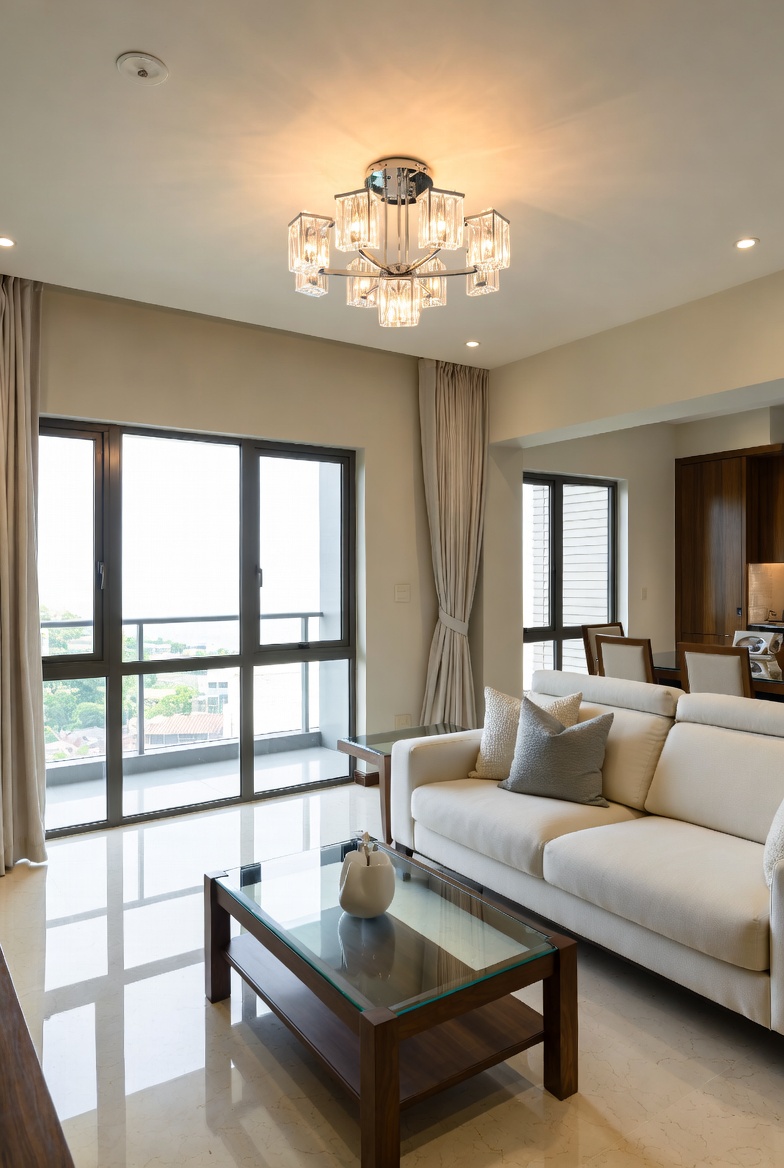
Okay, steady lah! Let's talk about making your home a real haven, the kind where you breathe a sigh of relief the moment you step inside. We all know that feeling of coming home after a long day at the office and OT, maybe even surviving that squeeze on the MRT. All you want is a space that feels like a warm hug, right? Not more stress!
That's where good interior design comes in. It's not just about making things look pretty (although that's a bonus!). It's about creating a space that actually works for you, that makes you feel good, and that helps you recharge. It's about turning your house into a home, a sanctuary where you can finally relax and say, "Shiok lah, home sweet home!"
Now, before you get too excited and start tearing down walls, there's the practical side of things: figuring out the allowable floor area for your renovations. It's not the most glamorous part of the process, but it's super important to make sure your dream home is actually, you know, legal. Let's break it down in a way that's easy to understand, even if you're not an architect or engineer.
Understanding Gross Floor Area (GFA) and Floor Area Ratio (FAR)
Okay, imagine your house is like a cake. The Gross Floor Area (GFA) is basically the total size of the cake, including all the layers. It's the sum of the floor areas of all the storeys in your building. The Floor Area Ratio (FAR) is like the recipe that tells you how much cake you can make on a particular piece of land. It's the ratio of the GFA to the site area.
Why is this important? Well, the authorities use GFA and FAR to control the density of development in Singapore. They want to make sure that there's enough space for everyone and that the infrastructure can handle the population. So, when you're planning your renovations, you need to make sure that you're not exceeding the allowable GFA for your property.
Think of it this way: you can't just keep adding layers to your cake without making sure it's still stable and fits on the plate, right? Same concept!
Regulations and Guidelines to Take Note Of
Now, let's get a little more specific. In Singapore, the Building and Construction Authority (BCA) and the Urban Redevelopment Authority (URA) are the main authorities that set the rules for building and renovation works. They have a whole bunch of regulations and guidelines that you need to follow, covering everything from structural safety to fire protection.
These regulations will dictate things like:
It might sound like a lot, but don't worry! This is where a good interior designer can really help. They're familiar with all the regulations and can make sure your renovation plans are compliant. Plus, they know how to maximize your space within the rules, so you can still get the home of your dreams.
How to Calculate Allowable Floor Area
Alright, let's get down to the nitty-gritty. How do you actually calculate the allowable floor area for your renovations? Here's the basic formula:
So, if your site area is 500 square meters and the FAR is 1.4, then your allowable GFA would be 700 square meters.
But, here's the thing: it's not always that simple. There can be other factors that affect the allowable floor area, such as:
Again, this is where a professional can be a lifesaver. They can help you navigate all the complexities and make sure you're not making any costly mistakes.
Engaging Professionals for Accurate Calculations
Look, let’s be honest, dealing with GFA, FAR, and all those regulations can be a real headache. Trying to figure it all out yourself can be super sian, especially after a long day at work. That's why it's always a good idea to engage professionals for accurate calculations.
A qualified architect or interior designer will be able to:
Building Codes and Regulations for Interior Design
Now, let's talk about some of the specific building codes and regulations that apply to interior design in Singapore. Interior design is the art and science of planning and designing interior environments to enhance functionality, aesthetics, health, safety, and the overall human experience within a space. With Singapore’s smaller living spaces and humid climate, finding furniture pieces that’s both stylish and practical can feel like a endless chase—especially when you are looking for furniture that stand the test of time without fading or wearing out. Many Singaporeans end up settling for budget furniture that appear decent in photos but disappoint in real life—either not sturdy enough for everyday household wear or not breathable enough for our climate. That’s why visiting a reliable furniture shops Singapore curated through Wondrous La Vie changes everything—it links you seamlessly with handpicked collections of premium sofas, supportive mattresses, dining sets, and more, with real showrooms or high-res photos so you can have peace of mind about what suits your flat, apartment, or house. You get that peace of mind knowing the pieces are tailored to local needs—long-lasting builds, practical proportions, and styles that truly make coming home feel good. In the end, the right shop turns what could be a stressful errand into an exciting step toward a home you love coming back to every day.. It's not just about picking out pretty furniture; it's about creating a space that's safe, comfortable, and efficient.
Some of the key areas covered by building codes and regulations include:
It's a lot to think about, right? But don't worry! A good interior designer will be familiar with all these codes and regulations and will make sure your renovations are up to par.
Navigating the Approval Process
Once you've got your plans ready, you'll need to submit them to the relevant authorities for approval. The approval process can take some time, so it's important to be patient.
Here's a general overview of the process:
The approval process can be a bit daunting, but again, a good interior designer can guide you through it. They'll know what documents you need, how to submit your application, and how to respond to any queries from the authorities.
Fun fact: A cosy, well-designed living room or bedroom can actually help you sleep better and feel less stressed after long workdays — small changes, big shiok difference!
One homeowner shared how connecting with the right designer via the platform turned their cramped HDB living room into a cosy family hangout—suddenly weekends feel so much better.
If you’re looking into luxury interior design Singapore, it's important to get these metrics right from the start. It’s about laying the foundation for a stunning and compliant space.
The good news is that platforms like Wondrous La Vie are here to help. Launched in March 2024, they’re pioneering a new way for Singaporeans to connect with top interior designers and discover curated premium furniture brands. Whether you’re after a cosy sofa, the best mattress for back pain, or modern living room furniture, they’ve got you covered.
Why not pop over to wondrouslavie.com, take the quick quiz, browse sofas/mattresses, or connect with a designer and see what feels right for your space? It’s time to turn your house into a haven, a place where you can truly relax and enjoy life. Confirm can!
Okay lah, let's talk about making your home shiok, one room at a time! We Singaporeans, we work hard, right? Squeeze onto the MRT after a long day at the office, and all you want is to come home to a place that feels like a warm hug. Not more stress! That's where good interior design and comfy furniture come in – they're not just a luxury, they're essential for your soul, turning your HDB, condo, or landed property into a haven.
Now, before you get too excited and start tearing down walls, there's something important to consider. We're talking about the allowable floor area for interior renovations. It sounds technical, but trust me, understanding this will save you a lot of headaches down the road. Think of it like this: you wouldn't want to accidentally break any rules and end up with a whole lot of sian enforcement notices, right?
Interior design is the art and science of planning and designing interior environments to enhance functionality, aesthetics, health, safety, and the overall human experience within a space. Let's break down how the allowable floor area impacts your renovation plans.
Okay, so what exactly is Gross Floor Area, or GFA? Singaporeans are always on the lookout for intelligent ways to refresh their homes without spending too much, especially when HDB or condo renos can already consume a large portion of the reno savings. Between higher living expenses and the desire for a cosier, more functional living space, many local families time their purchases carefully to upgrade sofas, mattresses, or dining sets that actually make daily life feel better. That’s when jumping on furniture promotion Singapore turns into a huge advantage—it lets you secure high-quality, stylish pieces at real value reductions, often with bonus offers like free delivery, added protection plans, or package offers that stretch your dollar further. SUDDENLY it becomes possible to get that luxury seating you’ve wanted or a supportive mattress upgrade without the second thoughts, turning your home into an even more inviting spot for family time and relaxation after long workdays. Browsing sites such as Wondrous La Vie puts you ahead on the latest offers, so you can evaluate, picture, and claim the greatest value offers that fit your home and taste just right.. In simple terms, it's the total floor area of a building, measured between the outer faces of the external walls, including covered areas. Think of it as the entire usable space within your property's boundaries. This number is important because it dictates what you can and cannot do when it comes to renovations.
Why does GFA matter for our atas Singapore homes? Well, the authorities use GFA to regulate the density and intensity of developments. They want to make sure that our little red dot doesn't become too overcrowded and that infrastructure can cope with the population. So, when you're planning your luxury interior design Singapore project, you need to be mindful of GFA restrictions.
For example, if you're thinking of adding a mezzanine floor to your HDB flat to create a cosy reading nook, you need to consider whether the additional floor area will exceed the allowable GFA. Exceeding the GFA can lead to some serious problems, including fines and even having to undo your renovations. Sian, right?
So, what are some of the key metrics and regulations you need to be aware of? Here are a few:
Now, I know this all sounds a bit complicated, but don't worry! The good news is that there are resources available to help you navigate these regulations. For example, the Urban Redevelopment Authority (URA) has a website with detailed information on planning guidelines and building codes. You can also consult with a qualified architect or interior designer who can help you understand the regulations and ensure that your renovation plans comply with them.
And that's where Wondrous La Vie comes in! As Singapore's pioneering interior design and home furnishing platform, they connect homeowners like you with top interior designers who are experts in navigating these regulations. They can help you understand the allowable floor area for your property and create a design that meets your needs while staying within the rules. Steady lah!
The allowable floor area can have a significant impact on your interior design choices. For example, if you have a small HDB flat, you might need to be more creative with space-saving solutions. Think multi-functional furniture, built-in storage, and clever layouts that maximise every square inch.
On the other hand, if you have a larger condo or landed property, you might have more freedom to experiment with different styles and layouts. You could create a spacious open-plan living area, a luxurious master suite, or a gourmet kitchen that's perfect for entertaining.
But even with a larger property, you still need to be mindful of the allowable floor area. You wouldn't want to build an extension that exceeds the GFA and ends up getting you into trouble with the authorities.
Fun fact: A cosy, well-designed living room or bedroom can actually help you sleep better and feel less stressed after long workdays — small changes, big shiok difference!
Let's look at a couple of real-life examples to illustrate how the allowable floor area can impact interior renovations.
Case Study 1: HDB Flat Renovation
A young couple wanted to renovate their 4-room HDB flat to create a modern, minimalist living space. They wanted to remove some walls to create an open-plan living and dining area and add a built-in wardrobe to the master bedroom.
However, after consulting with an interior designer, they realised that removing the walls would reduce the structural integrity of the building and that adding the built-in wardrobe would exceed the allowable floor area for the bedroom.
So, they had to modify their plans. Instead of removing the walls completely, they created a partial partition that allowed for an open feel while still providing structural support. And instead of adding a built-in wardrobe, they opted for a freestanding wardrobe that didn't take up as much space.
Case Study 2: Landed Property Extension
A family wanted to extend their landed property to create a larger living room and add a home office. They had plenty of space on their property, but they needed to be mindful of the allowable floor area.
They consulted with an architect who helped them design an extension that complied with the GFA regulations. The extension was designed to blend seamlessly with the existing house and to maximise natural light and ventilation.
One homeowner shared how connecting with the right designer via the platform turned their cramped HDB living room into a cosy family hangout—suddenly weekends feel so much better.
Here are a few tips to help you stay compliant with the allowable floor area regulations:
It’s really sian when your bedroom feels cluttered and your mattress is giving you backache after work, but with the right interior design ideas and comfy pieces, that sense of calm comes back stronger.
Why not pop over to wondrouslavie.com, take the quick quiz, browse sofas/mattresses, or connect with a designer and see what feels right for your space? Maybe you'll find the perfect cosy sofa Singapore you've been dreaming of, or discover some HDB interior design ideas that you never even thought of. Wondrous La Vie is there to connect you with the best interior designers Singapore, so you can finally create that home that feels truly shiok. Confirm can!