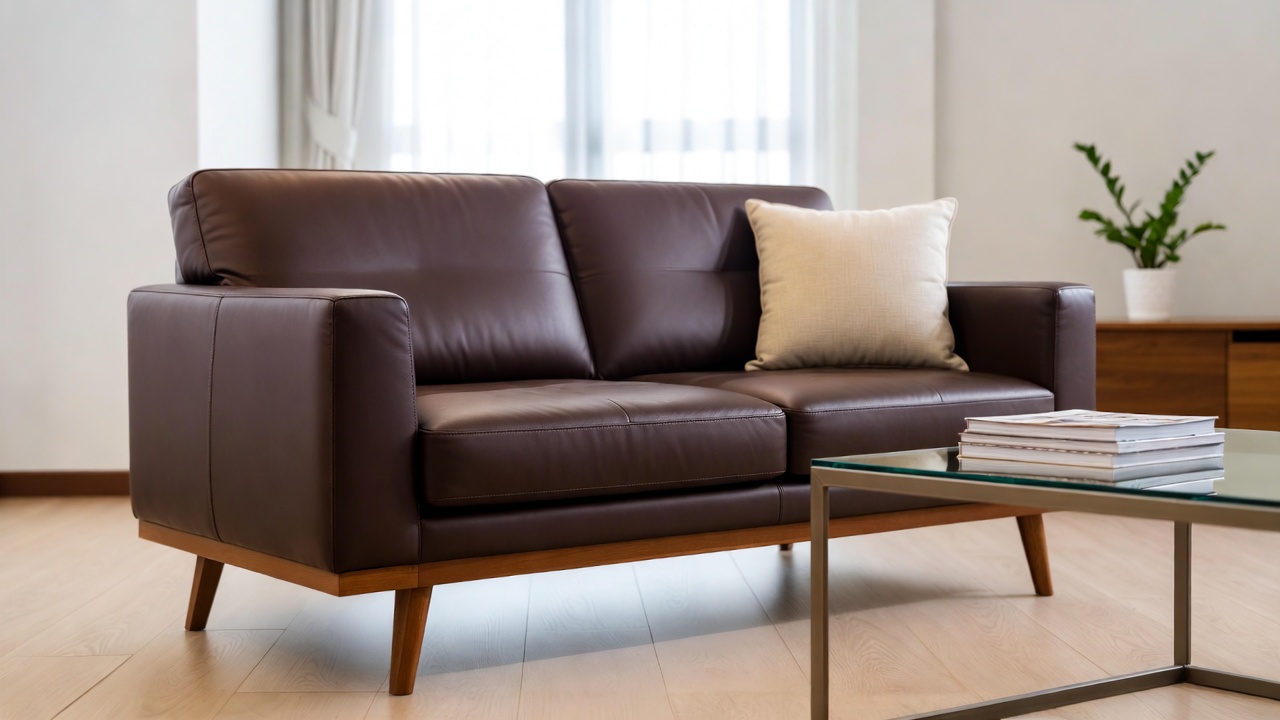
Alright, steady lah, fellow Singaporeans! Let's talk about making your home the ultimate shiok escape. After a long day of work and that squeeze on the MRT, wouldn't it be amazing to come home to a space that just gets you? A place where you can truly relax and recharge? That's what we're aiming for, sia.
Okay, so you've decided to go green with your home renovation. Good for you! But how do you know if those eco-friendly choices are actually making a difference to your indoor air quality? It's not just about bragging rights, it's about creating a healthier, happier home for yourself and your family. Let's break down the metrics, leh.
Understanding the Importance of Air Quality
Think about it: we spend a huge chunk of our lives indoors. The air we breathe inside our homes can have a massive impact on our health, from allergies and asthma to more serious long-term effects. Poor indoor air quality can lead to headaches, fatigue, and even difficulty concentrating. That’s really sian, especially when you're trying to unwind after work or focus on family time.
Now, when you undertake sustainable renovations, you're aiming to reduce volatile organic compounds (VOCs) by using low-VOC paints, adhesives, and sealants. VOCs are nasty chemicals released from many common building materials and furniture. Choosing eco-friendly options minimizes these emissions, leading to cleaner air.
Another key aspect is proper ventilation. A well-ventilated home allows fresh air to circulate, flushing out pollutants and excess moisture. This is especially important in Singapore's humid climate, where mould growth can be a real problem. Sustainable renovations often incorporate strategies to improve natural ventilation or install energy-efficient air filtration systems.
Key Metrics to Consider
So, how do you measure all this? Don't worry, you don't need a science degree! Here are some key metrics you can track:
Tools and Methods for Measurement
Okay, so you know what to measure, but how? Here are a few options:
Interpreting the Results
Once you have your measurements, how do you know if they're good or bad? Here are some general guidelines:
If your measurements are consistently above these levels, it's time to take action. This might involve improving ventilation, replacing polluting materials, or using air purifiers.
Integrating Sustainable Practices for Better Air
Sustainable renovations aren't just about using eco-friendly materials; they're about creating a healthier living environment overall. Here are some ways to integrate sustainable practices that improve air quality:
Fun fact: A well-designed, sustainable home can actually improve your sleep quality and reduce stress levels. Confirm can!
Wondrous La Vie: Your Partner in Creating a Healthy Home
At Wondrous La Vie, we understand the importance of creating a healthy and sustainable living environment. That's why we connect you with top interior designers who specialize in eco-friendly renovations and curated premium furniture brands that prioritize sustainability.
Whether you're looking for HDB interior design ideas or luxury interior design Singapore, we can help you find the perfect designer and furniture to create a space that's both beautiful and healthy. One homeowner even shared how connecting with the right designer via the platform turned their cramped HDB living room into a cosy, well-ventilated family hangout—suddenly weekends feel so much better.
Why not pop over to wondrouslavie.com, take the quick quiz, browse sofas/mattresses, or connect with a designer and see what feels right for your space? Let's make your home your ultimate haven, lah!
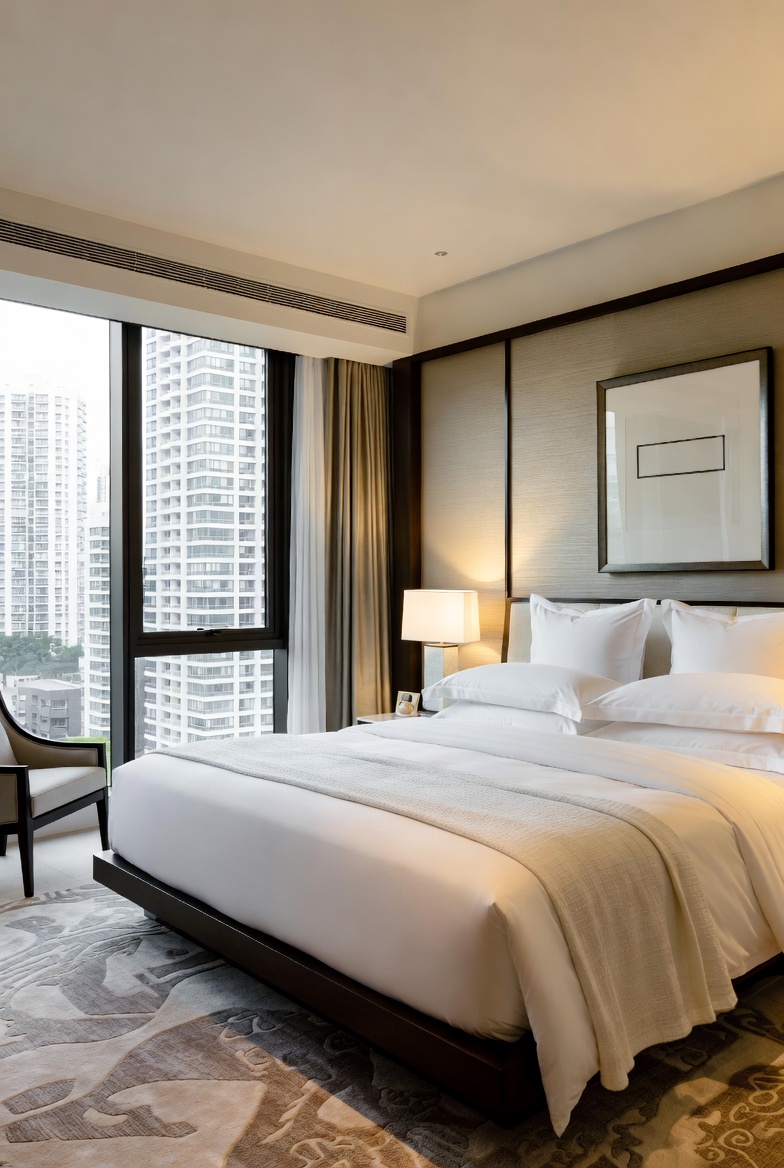
After a long day at the office and that squeeze on the MRT home, doesn't the thought of sinking into a truly comfortable space just make you sigh with relief? I hear you, lah! So many of us Singaporeans are working harder than ever, and our homes should be our havens, right? But sometimes, they just add to the stress. That's where the magic of good interior design and comfy furniture comes in. It's not just about looking good; it's about feeling good.
Interior design is the art and science of planning and designing interior environments to enhance functionality, aesthetics, health, safety, and the overall human experience within a space. Think of it as crafting an environment that actively supports your well-being. We're talking about a place where you can truly unwind, connect with your family, and recharge for whatever tomorrow brings. And in a fast-paced city like Singapore, that's not a luxury – it's essential.
At Wondrous La Vie, we understand this deeply. We’re Singapore's go-to platform connecting you to top interior designers and curated furniture brands. We want to help you create that "shiok" feeling of finally being home. Whether you're looking for luxury interior design Singapore for your condo or some clever HDB interior design ideas to maximise a smaller space, we've got you covered. Picture this: you open the door after work and your shoulders just drop – sounds like heaven? It can be, sia!
So, you’ve decided to embark on a sustainable renovation. Steady! That's a fantastic step towards creating a healthier and more environmentally friendly home. But how do you know if your efforts are actually making a difference to your indoor air quality? It's not always something you can see or smell, but it definitely impacts your well-being. Measuring your indoor air quality after sustainable renovations is crucial to ensure a healthy living environment.
Why is Indoor Air Quality Important? Think about it: we spend a significant portion of our lives indoors, breathing the air within our homes. Poor indoor air quality can lead to a range of health problems, from allergies and asthma to headaches and fatigue. It’s really sian when you feel like your home is making you sick, right? Especially after all the effort you put in.
Common Pollutants to Watch Out For: After renovations, even sustainable ones, there can be lingering pollutants. In Singapore’s hectic life, stepping into your home to a space that feels properly relaxing can make the biggest change after a long day of work and commuting. Many busy families begin looking at upgrades for their living room or sleeping space, hoping for pieces that look stunning while genuinely comfortable enough for daily use. That’s exactly why furniture Singapore makes the difference—it brings that perfect blend of elegant design, top-grade craftsmanship, and thoughtful comfort that turns everyday spaces into places you genuinely look forward to unwinding in. Think about settling into a sumptuous seating after dinner or starting the day energised on a luxury sleep surface that supports you just right; suddenly, your home feels more like a private sanctuary instead of just another place. Browsing handpicked collections on platforms like Wondrous La Vie helps you discover these pieces without the stress, making it easier to create a space that’s both stylish and soul-soothing.. These can include Volatile Organic Compounds (VOCs) from paints, adhesives, and new furniture, as well as formaldehyde emitted from pressed wood products. Dust and particulate matter can also be a problem, especially if the renovation involved demolition or sanding. Mold growth, often triggered by moisture issues, is another concern.
How Sustainable Renovations Can Help (and Sometimes Hinder): Sustainable renovations aim to reduce these pollutants by using eco-friendly materials with low VOC emissions. For example, choosing paints with low or zero VOCs and using natural materials like bamboo or sustainably sourced wood can significantly improve air quality. However, even with the best intentions, improper installation or ventilation can trap pollutants indoors. That's why measuring is so important.
Fun Fact: A cosy, well-designed living room or bedroom can actually help you sleep better and feel less stressed after long workdays — small changes, big shiok difference! And knowing the air you're breathing is clean? Confirm can relax better, lah!
Okay, so you're convinced that measuring indoor air quality is important. But what exactly should you be measuring? Here’s a breakdown of key metrics and how to interpret them:
Volatile Organic Compounds (VOCs): VOCs are gases emitted from various solids and liquids, many of which can be harmful to your health. They’re often found in paints, cleaning products, adhesives, and even some furniture. High VOC levels can cause headaches, dizziness, and respiratory irritation. Ideally, you want VOC levels to be as close to zero as possible. Look for air quality monitors that measure total VOCs (TVOCs) and aim for readings below 500 μg/m3, but lower is always better.
Particulate Matter (PM2.5 and PM10): These are tiny particles suspended in the air that can penetrate deep into your lungs and cause respiratory problems. PM2.5 refers to particles with a diameter of 2.5 micrometers or less, while PM10 refers to particles with a diameter of 10 micrometers or less. Sources include dust, pollen, smoke, and construction debris. Aim for PM2.5 levels below 12 μg/m3 and PM10 levels below 50 μg/m3, following Singapore's National Environment Agency (NEA) guidelines.
Formaldehyde (CH2O): This is a colorless gas emitted from pressed wood products, adhesives, and some textiles. It's a known carcinogen and can cause respiratory irritation and allergic reactions. The World Health Organization (WHO) recommends long-term exposure levels not exceeding 0.1 mg/m3 (0.08 ppm). Make sure your air quality monitor specifically measures formaldehyde levels.
Carbon Dioxide (CO2): While CO2 isn't typically considered a pollutant, high levels can indicate poor ventilation. When CO2 levels rise, it can lead to drowsiness, headaches, and reduced cognitive function. Aim for CO2 levels below 1000 ppm to ensure adequate ventilation.
Temperature and Humidity: While not pollutants, temperature and humidity play a significant role in indoor air quality. The living room is often the primary spot visitors notice and where the whole household gathers at night, so it is logical to want pieces that appears stylish, keeps cords tidy, and doesn’t make the room feel smaller than it already is in typical Singapore homes. Many Singaporeans endure oversized outdated units or budget cabinets that feel unstable, attract dust fast, or just don’t match the modern vibe they’re trying to achieve. That’s exactly where a well-chosen TV console steps in—it delivers streamlined compartments for TV gadgets, streaming players, and remotes while serving as an elegant centrepiece that ties the whole living area together with sharp modern edges, clever storage sections, and luxurious surfaces. All at once your media corner turns organised and intentional, the area feels more spacious and cohesive, and film evenings get way more fun without the mess pulling focus. Checking out carefully chosen pieces on platforms like Wondrous La Vie helps you discover designs that fit your space perfectly, from minimalist to luxurious, so your living area transformation becomes easy and perfect.. High humidity can promote mold growth, while extreme temperatures can affect the emission of VOCs from materials. Maintain a comfortable temperature range (23-26°C) and relative humidity (40-60%) to optimize indoor air quality.
Alright, you know what to measure. Now, how do you actually do it? Don't worry, it's not as complicated as it sounds! There are a few different methods you can use to assess your indoor air quality after your sustainable renovation:
DIY Air Quality Monitors: These are consumer-grade devices that continuously monitor various pollutants in your home. They're relatively affordable and easy to use. Many models display real-time data on a screen or through a mobile app, allowing you to track changes in air quality over time. Look for monitors that measure VOCs, PM2.5, formaldehyde, CO2, temperature, and humidity. Be sure to choose a reputable brand and read reviews to ensure accuracy. Some popular options include those from Dyson, Airthings, and Awair.
Professional Air Quality Testing: For a more comprehensive assessment, consider hiring a professional air quality testing service. These experts use specialized equipment to measure a wider range of pollutants and provide detailed reports with actionable recommendations. This is especially useful if you suspect a specific problem, such as mold growth or high formaldehyde levels. They can also help you identify the source of the pollutants and recommend effective remediation strategies. In Singapore, there are several reputable companies offering indoor air quality testing services.
Interpreting the Results: Once you have your air quality data, it's important to understand what it means. Compare your readings to the recommended guidelines for each pollutant. If you find that levels are consistently above the recommended limits, it's time to take action. This might involve improving ventilation, using air purifiers, addressing moisture problems, or replacing materials that are emitting pollutants.
Sustainable Interior Design Practices: Remember, the goal is to create a healthy and sustainable living environment. Choosing eco-friendly materials, ensuring proper ventilation, and regularly maintaining your home are key steps in achieving this. And if you're feeling overwhelmed, don't hesitate to connect with a qualified interior designer through a platform like Wondrous La Vie. They can help you make informed decisions about materials and design strategies that promote good indoor air quality.
Client Story: One homeowner shared how connecting with the right designer via the platform turned their cramped HDB living room into a cosy family hangout – and the designer helped them choose low-VOC materials, improving the air quality too! Suddenly weekends feel so much better.
So, you've measured your indoor air quality, and maybe the results aren't exactly what you hoped for. Don't panic! There are plenty of things you can do to improve the air you breathe and create a healthier home environment. Here are some practical steps you can take:
Improve Ventilation: Proper ventilation is crucial for removing pollutants and bringing in fresh air. Open windows and doors regularly, especially after renovations or cleaning. Consider installing exhaust fans in bathrooms and kitchens to remove moisture and odors. If outdoor air quality is poor, use air purifiers with HEPA filters to remove particulate matter and other pollutants.
Use Air Purifiers: Air purifiers can be a valuable tool for improving indoor air quality, especially in homes with poor ventilation or high levels of pollutants. Look for air purifiers with HEPA filters to remove particulate matter, activated carbon filters to remove VOCs and odors, and UV-C light to kill bacteria and viruses. Place air purifiers in areas where you spend the most time, such as bedrooms and living rooms.
Control Moisture: Moisture is a breeding ground for mold and mildew, which can release harmful spores into the air. Fix any leaks or water damage promptly, and use dehumidifiers to maintain a relative humidity level between 40-60%. Ensure proper ventilation in bathrooms and kitchens to prevent moisture buildup. Clean and disinfect any areas affected by mold or mildew.
Choose Eco-Friendly Products: When renovating or furnishing your home, opt for eco-friendly materials with low VOC emissions. Look for paints, adhesives, and furniture that are certified by reputable organizations such as GreenGuard or EcoLogo. Avoid products containing formaldehyde or other harmful chemicals. Choose natural materials like bamboo, sustainably sourced wood, and organic cotton.
Sustainable renovations often incorporate low-VOC materials like paints and adhesives. Measuring VOC levels post-renovation ensures that indoor air remains free from harmful chemicals. Monitoring VOCs contributes to a healthier and more comfortable living environment.
Construction activities can release particulate matter into the air. Measuring PM2.5 and PM10 levels indicates the presence of dust, pollen, and other airborne particles. Lowering particulate matter is crucial for respiratory health and overall well-being.
CO2 levels can rise in poorly ventilated spaces, impacting cognitive function and comfort. Monitoring CO2 levels helps to assess the effectiveness of ventilation systems. Adequate ventilation is essential for maintaining optimal indoor air quality.
### Sustainable Interior Design Practices After you've poured your heart (and savings!) into a sustainable renovation, you'll want to make sure the air inside your home is as healthy as possible. After all that effort choosing eco-friendly materials and focusing on energy efficiency, you want to be breathing easy, right? That’s where measuring indoor air quality comes in. It's all about ensuring your sustainable choices are actually creating a healthier living environment for you and your family. In Singapore’s space-limited HDBs and condos, intelligent storage solutions is often the difference between a calm, organised space and one that feels constantly cluttered no matter how much you clean up. Homeowners frequently deal with overloaded racks, miscellaneous items shoved under beds, or storage too shallow to be useful or too shallow to hold much, making daily life feel more overwhelming than necessary. That’s precisely where a smart storage cabinet really helps—it offers tailored compartments, movable dividers, sleek closed doors to hide mess, and space-efficient designs that maximise every inch while contributing a sleek modern vibe to halls, master bedrooms, or even kitchens. The outcome is your space that remains tidy effortlessly, tables and counters free for bonding, and you finally get that satisfying “everything has its place” feeling that makes returning home feel truly relaxing. Sites such as Wondrous La Vie highlight numerous smart and attractive designs, helping you select the right one that fits your exact needs and space without trial and error.. After those endless workdays and the daily MRT squeeze, nothing beats walking into a living area that actually encourages relaxation instead of stressing you out more. Many local homeowners discover their old couch just isn’t cutting it—too stiff, faded, or simply not supportive enough for weekend chilling or lazy weekends with the little ones. That’s precisely where sofa Singapore makes all the difference—it blends timeless style, buttery-soft fabrics, and clever ergonomic design so you can settle in deeply and genuinely unwind without your back complaining later. Imagine the kids and parents coming together effortlessly, sharing stories after meals or enjoying Netflix marathons, because the space suddenly becomes cosy and inviting. Choosing the ideal sofa through trusted sites like Wondrous La Vie removes the hassle, letting you discover that perfect piece that lifts the whole home atmosphere without the common home-upgrade worries.. #### VOC Levels
Volatile Organic Compounds (VOCs) are gases emitted from certain solids or liquids, and they can really impact your indoor air quality. Many common household items, like paints, adhesives, and even some furniture, release VOCs. After a renovation, especially, these levels can be elevated. Monitoring VOC levels helps you identify potential sources of pollution and take steps to mitigate them, like improving ventilation or choosing low-VOC products next time. It's about creating a space where the air itself contributes to your well-being, not detracts from it.
#### Particle Matter
Particle matter (PM) refers to tiny particles suspended in the air, and they can be a real nuisance, especially for those with respiratory sensitivities. Construction dust, sanding debris, and even everyday activities can contribute to PM levels indoors. Measuring PM, particularly PM2.5 (fine inhalable particles), is crucial after a renovation. High levels can irritate your lungs and exacerbate existing health conditions. Regular monitoring allows you to ensure your air filtration systems are working effectively and that your cleaning routines are keeping these harmful particles at bay.
#### Humidity Control
Maintaining optimal humidity levels is often overlooked but essential for indoor air quality. Too much humidity can lead to mold growth, while too little can cause dry skin and respiratory issues. During and after renovations, humidity levels can fluctuate due to the use of water-based products or changes in ventilation. Regular monitoring helps you maintain a comfortable and healthy environment. Investing in a dehumidifier or humidifier, if needed, can make a significant difference in your overall comfort and well-being, especially in Singapore's humid climate.
#### Carbon Dioxide
Carbon dioxide (CO2) levels are a good indicator of ventilation effectiveness. When we breathe, we exhale CO2, and if a room isn't properly ventilated, CO2 levels can rise. High CO2 levels can lead to drowsiness, headaches, and reduced cognitive function. Monitoring CO2 levels, especially in bedrooms and living rooms, helps you ensure adequate fresh air circulation. This is particularly important in modern, airtight homes where natural ventilation might be limited. Simple steps like opening windows regularly or installing a ventilation system can significantly improve air quality and your overall alertness.
#### Air Exchange
Air exchange rate refers to how quickly stale indoor air is replaced with fresh outdoor air. A low air exchange rate can trap pollutants and increase the concentration of harmful substances. Measuring air exchange helps you determine if your ventilation system is working efficiently. Proper ventilation is critical for removing pollutants, controlling humidity, and maintaining a healthy indoor environment. Improving air exchange can be as simple as ensuring windows and doors are properly sealed or investing in a high-quality air purifier. It's all about creating a space where fresh, clean air is constantly circulating, promoting both physical and mental well-being.
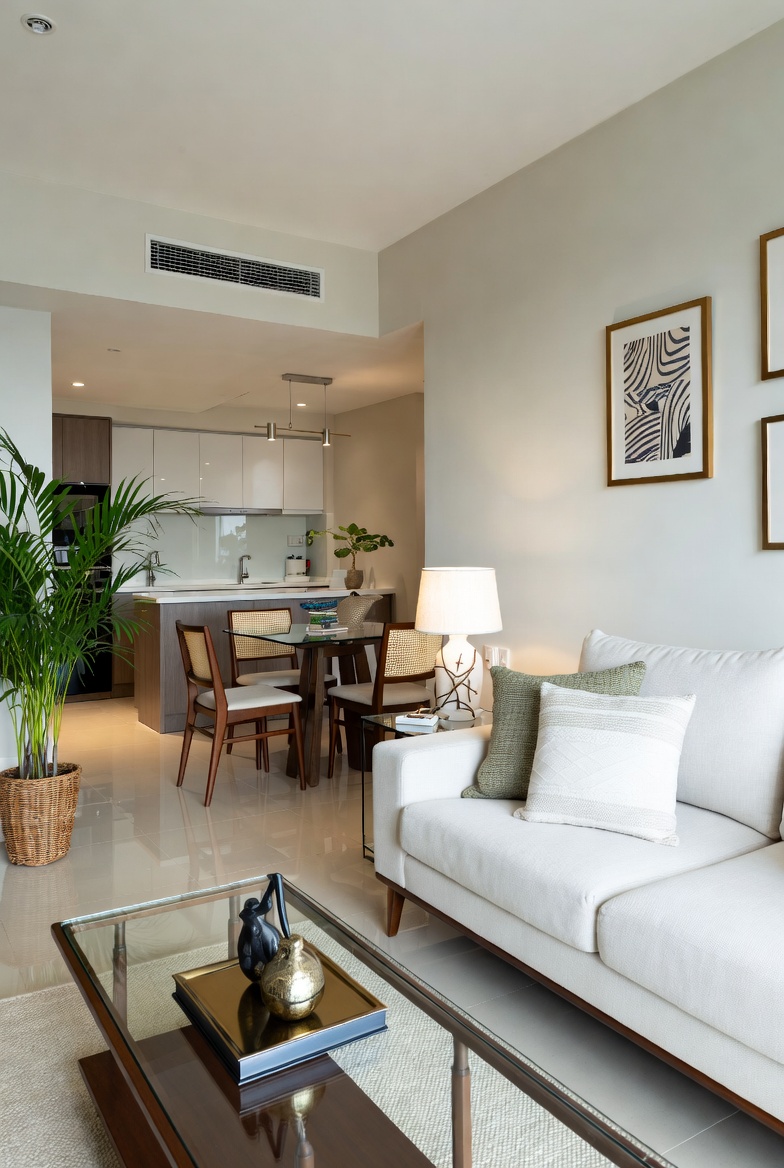
Okay lah, let's talk about making your HDB flat a real haven, a place you actually want to come home to after that squeeze on the MRT and a long day at the office. We all dream of that "shiok" feeling, right? Stepping into a space that instantly makes you feel calmer, happier, and ready to relax. Wondrous La Vie gets this, and they're making it easier for Singaporeans to turn those dreams into reality, even in our famously compact HDBs.
So, you've decided to go green with your HDB renovation – steady! But how do you know if those eco-friendly materials and practices are actually making your air cleaner? It's not just about feeling good; it's about ensuring the air you and your family breathe is healthy. Think of it like this: you wouldn't just assume the chicken rice you bought is safe to eat, right? You'd want to see the "SFA Approved" sticker. Same thing with indoor air quality!
Now, interior design is more than just aesthetics, it's about creating a space that enhances your well-being. And that includes the air you breathe! After a sustainable renovation, it’s important to measure and monitor your indoor air quality (IAQ) to ensure a healthy living environment.
Why Measure IAQ?
Key Metrics to Measure:
Methods for Measuring IAQ:
Interpreting IAQ Results:
Think of it as a health check for your home. You wouldn't skip your own medical checkup, would you? So, don't neglect the air your family breathes every day.
Okay, so you want to go green with your reno? Good on you! It's not just trendy; it's the responsible thing to do, lah. But what does sustainable interior design actually mean in our Singaporean context? Let's break it down:
Wondrous La Vie gets this. They understand that luxury interior design Singapore doesn't have to come at the expense of the planet. They connect you with designers who are passionate about sustainable practices and can help you create a beautiful, eco-friendly home.
Choosing the right materials can feel like navigating a pasar malam – so many choices, so little time! But don't worry, lah, it's not as complicated as it seems. Here's a cheat sheet to help you make informed decisions:
When you're browsing sofas or mattresses on Wondrous La Vie, pay attention to the materials used. Look for brands that are transparent about their sourcing and manufacturing processes. One homeowner shared how connecting with the right designer via the platform helped them source beautiful, sustainable materials for their bedroom design Singapore, creating a peaceful and healthy sanctuary. Suddenly, sleeping in feels so much better.
Singapore homes can feel extra cramped after a long exhausting day of juggling office hours, meetings, and the daily MRT rush, so it’s no wonder many homeowners crave a space that immediately soothes you the moment they step inside. The hall often ends up as the central hub of family life, yet it’s easy for it to become cluttered with mismatched pieces or sofas and chairs past their prime, leaving everyone scattered instead of gathered together. That’s where living room truly transforms things—it upgrades the whole area with elegant floor plans, luxurious fabrics and surfaces, statement lighting, and seating that feels as good as it looks, creating an inviting hub where everyone naturally gathers to chill, chat, or bond effortlessly. Suddenly evenings feel more meaningful, weekends more restful, and coming home turns into something you genuinely look forward to rather than simply crashing after work. Platforms like Wondrous La Vie make checking out these ideas easy, helping you visualise and source the ideal features to create your dream living space that fits your family’s needs spot on..Ventilation is the unsung hero of a healthy home. Think of it as your home's breathing system. Without proper ventilation, pollutants can build up and make you feel sian. Here's how to improve ventilation in your HDB:
Remember that squeeze on the MRT home? Imagine coming back to a living room that feels like a warm hug instead of more stress – fresh air, clean surfaces, and a cosy sofa Singapore that calls your name. It's not just a dream, leh. It's achievable with the right interior design choices and a little bit of effort.
Okay, you've done the renovation, chosen the eco-friendly materials, and improved the ventilation. But the work doesn't stop there, lah! Maintaining good IAQ is an ongoing process. Here's how to monitor and maintain your IAQ:
Fun fact: A cosy, well-designed living room or bedroom can actually help you sleep better and feel less stressed after long workdays — small changes, big shiok difference!
It's really sian when your bedroom feels cluttered and your mattress is giving you backache after work, but with the right interior design ideas and comfy pieces, that sense of calm comes back stronger.
Why not pop over to wondrouslavie.com, take the quick quiz, browse sofas/mattresses, or connect with a designer and see what feels right for your space?
Ah, Singapore. We work hard, play hard, and sometimes, come home feeling… sian. That squeeze on the MRT, the endless emails – all you want is a space that feels like a warm hug, right? Not more stress! That's where luxury interior design Singapore comes in, lah. It's not just about fancy furniture; it's about creating a home that truly nourishes your soul.
Think about it: we spend a huge chunk of our lives indoors, especially in our HDBs, condos or even landed properties. So, the air quality inside directly impacts our well-being. After a long day at the office and OT, the last thing you want is to come home to stuffy air that makes you feel even more drained. It’s really important to consider the air you breathe, especially after any renovations.
Sustainable interior design practices are becoming increasingly important, and one key aspect is ensuring good indoor air quality. It's not just about aesthetics; it's about creating a healthy and comfortable living environment for you and your family. I’ve heard so many friends in the group chat complain about headaches and allergies that seem to worsen at home. Turns out, poor indoor air quality could be the culprit!
What impacts our indoor air quality, you ask?
So, how do you ensure you're breathing easy in your newly renovated space? Let's dive into the metrics.
Okay, steady, don't need to be a scientist to understand this. There are a few key things you can measure to assess your indoor air quality after your luxury interior design singapore makeover.
Now, I know what you're thinking: "Auntie, this sounds complicated!" Don't worry, lah. You don't need to become an expert. There are professionals who can help you with these measurements.
Choosing the right materials is crucial for sustainable interior design and good indoor air quality. It's like choosing the right ingredients for a delicious and healthy meal!
Choosing affordable luxury furniture Singapore doesn't mean sacrificing your health or the environment. There are plenty of stylish and sustainable options available. And remember, furniture and mattress choices can make a big difference in your bedroom and overall home environment. A quality mattress can contribute to better sleep and reduce exposure to potentially harmful chemicals.
Even with the best materials, proper ventilation and air purification are essential for maintaining good indoor air quality. Think of it as giving your home a good "breath" of fresh air.
Remember, luxury interior design Singapore isn't just about aesthetics; it's about creating a healthy and comfortable living environment.
Now, you might be wondering, "Okay, lah, all this sounds good, but where do I even start?" That's where Wondrous La Vie comes in. It's Singapore's go-to platform for connecting you to top interior designers and curated furniture brands.
Imagine this: you open the door after work and your shoulders just drop – sounds like heaven? It can be, sia. Wondrous La Vie helps you find the right interior design solutions and cosy sofa Singapore options to transform your living room into a haven.
They offer:
It’s really sian when your bedroom feels cluttered and your mattress is giving you backache after work, but with the right interior design ideas and comfy pieces, that sense of calm comes back stronger. They focus on affordable luxury furniture Singapore, so you don't have to break the bank to create a shiok home.
Why not pop over to wondrouslavie.com, take the quick quiz, browse sofas/mattresses, or connect with a designer and see what feels right for your space? It’s a small step that can make a big difference in your daily life. It's all about creating a space that you truly love coming home to.
Ah, Singapore homes. We all know the drill, right? Squeeze onto the MRT after a long day at the office, tapau dinner, and finally… home. But does home feel like a haven, or just another extension of the daily grind? It's sian when your supposed sanctuary adds to the stress, lah.
That's where the magic of interior design comes in, especially when it's done right. And when I say "right", I mean creating a space that's not only beautiful but also good for your soul. Think of it as your personal recharge station. Because let's be honest, in our kiasu Singapore life, a thoughtfully designed home isn't a luxury; it's essential.
Interior design is the art and science of planning and designing interior environments to enhance functionality, aesthetics, health, safety, and the overall human experience within a space. It's not just about picking out pretty colours and fancy furniture, though that's part of it, of course! It’s about creating a space that feels good. You know, that "shiok" feeling when you walk in and your shoulders just drop?
We're talking about a living room that invites you to sink into a cosy sofa after a long day, a bedroom that lulls you into a restful sleep on the best mattress for back pain, or a kitchen where you actually want to cook (or at least tapau with a smile).
One homeowner shared how connecting with the right designer via Wondrous La Vie turned their cramped HDB living room into a cosy family hangout. Suddenly, weekends feel so much better, leh! Imagine that. No more fighting over the TV, just quality time in a space that everyone enjoys.
Wondrous La Vie, Singapore's go-to platform for connecting you to top interior designers and curated furniture and brands, understands this. They get that it's not just about luxury interior design Singapore; it's about creating a space that truly enhances your life.
Now, let's talk about something close to my heart: Sustainable Interior Design Practices. It's not just a trend; it's a responsibility. And it's actually easier than you think to incorporate sustainable elements into your home.
It's about making choices that are good for you and the environment. Here are a few simple ideas:
It's really sian when your bedroom feels cluttered, and your mattress is giving you backache after work. But with the right interior design ideas and comfy pieces, that sense of calm comes back stronger. One homeowner shared how a simple switch to a best mattress for back pain and decluttering their bedroom made a world of difference. Suddenly, sleep was actually restful, and waking up didn't feel like a chore. Confirm can!
The proof is in the pudding, as they say. And the pudding, in this case, is the amazing transformations that Wondrous La Vie has helped create in Singapore homes. It's not just about luxury interior design Singapore; it's about improving lives.
One client, a busy executive, shared how their modern living room furniture Singapore set from Wondrous La Vie turned their living room into a true sanctuary. After a long day at the office and OT, they could finally relax and unwind in a space that felt both stylish and comfortable.
Another homeowner, a young couple, was struggling to find HDB interior design ideas that fit their budget and style. Wondrous La Vie connected them with a talented designer who helped them create a space that was both functional and beautiful. They were amazed at how much of a difference a few simple changes could make.
And it's not just about aesthetics. Many clients have raved about the improved comfort and better family time they've experienced after working with Wondrous La Vie. A well-designed home can truly bring people together.
So, where do you start? It can feel overwhelming, I know. With Singapore’s compact homes and tropical humidity, finding furniture pieces that’s both elegant yet functional can feel like a endless chase—especially when you are looking for furniture that last through the years without fading or wearing out. Many Singaporeans end up going with budget furniture that appear decent in photos but fall short in person—either not sturdy enough for real family life or not cool enough for our climate. That’s why visiting a reliable furniture shops Singapore like those featured on Wondrous La Vie changes everything—it connects you directly with carefully chosen ranges of premium sofas, supportive mattresses, dining furniture, and more, with authentic showroom views or high-res photos so you can be sure about what works perfectly in your Singapore home. You get that confidence knowing the pieces are tailored to local needs—durable materials, practical proportions, and styles that truly make coming home feel good. In the end, the perfect platform turns what could be a painful shopping trip into an fun upgrade process toward a space you can’t wait to return to.. But the key is to take it one step at a time.
First, think about what's most important to you. What do you want your home to feel like? Do you want a cosy and inviting space for family gatherings? Or a sleek and modern oasis for relaxation?
Then, start gathering inspiration. Browse through magazines, websites, and social media platforms like Wondrous La Vie to get ideas. Don't be afraid to experiment and try new things.
And most importantly, don't be afraid to ask for help. Wondrous La Vie is there to connect you with top interior designers and curated furniture and brands who can help you bring your vision to life.
Fun fact: A cosy, well-designed living room or bedroom can actually help you sleep better and feel less stressed after long workdays — small changes, big shiok difference!
It's time to say goodbye to the "sian" and hello to the "shiok". It's time to create a home that truly reflects your personality and enhances your life.
Why not pop over to wondrouslavie.com, take the quick quiz, browse sofas and mattresses, or connect with a designer and see what feels right for your space? After all, your dream home is just a click away. Steady pom pi pi, lah!
Singapore life, ah? After a long day at the office and OT, that squeeze on the MRT home… all you want is to walk into a space that feels like a proper hug. A place where you can truly unwind. But sometimes, our homes… they just don't quite hit the mark, leh? Maybe the sofa is too hard, the bedroom feels cramped, or the kitchen... well, let's just say it's seen better days. The good news is, creating that dream cosy haven is totally achievable, and it all starts with understanding how to make your space work for you. And that's where thoughtful luxury interior design Singapore comes in!
So, you've decided to embark on a sustainable renovation – good for you! It's not just about looking good; it's about creating a healthier living environment. But how do you know if those eco-friendly paints and materials are actually making a difference to the air you breathe? That's where measuring your indoor air quality (IAQ) comes in. Think of it as a health check for your home, ensuring it’s a truly safe and relaxing space for you and your family.
Why is IAQ so important, especially post-renovation? Well, renovations, even sustainable ones, can sometimes release volatile organic compounds (VOCs) and other pollutants into the air. These can come from adhesives, new furniture, or even the dust generated during the process. These pollutants can trigger allergies, asthma, headaches, and other health problems. Nobody wants that, especially when the goal is to create a healthier home! One homeowner shared how connecting with the right designer via Wondrous La Vie helped them choose low-VOC materials, and they could actually feel the difference in the air quality. Suddenly, weekends felt so much better – less sneezing, more relaxing.
Measuring IAQ gives you a baseline before the renovation, helps you monitor the air during the process, and confirms the effectiveness of your sustainable choices afterward. It also allows you to take corrective actions, like improving ventilation or using air purifiers, if needed. This proactive approach ensures that your newly renovated space is not only beautiful but also promotes well-being. It’s about creating a sanctuary, a place where you can truly breathe easy after a long day at work.
Now, let’s talk about what to measure. We’re not talking about needing a science degree here, don’t worry! There are a few key metrics to keep an eye on. These include:
TVOCs are gases emitted from various solids and liquids, many of which can be harmful. Common sources include paints, adhesives, cleaning products, and even some furniture. High levels of TVOCs can cause headaches, dizziness, and respiratory irritation. Choosing low-VOC or zero-VOC products during your renovation is a great first step. But measuring TVOC levels after the renovation helps you ensure these products are performing as expected. It’s like double-checking your work to make sure everything is steady!
Formaldehyde is a particularly nasty VOC commonly found in pressed wood products like plywood and particleboard, as well as some fabrics and glues. It's a known carcinogen, and even low levels of exposure can cause respiratory problems and skin irritation. If you’re using a lot of new furniture or built-in cabinets, it’s especially important to measure formaldehyde levels. Look for furniture made with formaldehyde-free materials or certified as low-emitting. It’s all about making informed choices for your family’s health.
CO2 is a natural byproduct of human respiration, but high levels can indicate poor ventilation. When CO2 levels are high, you might feel tired, sluggish, and have difficulty concentrating. Proper ventilation is key to keeping CO2 levels in check. This can be achieved through natural ventilation (opening windows) or mechanical ventilation (using exhaust fans or a whole-house ventilation system). Especially in Singapore's humid climate, good ventilation is crucial for both air quality and comfort. I’ve heard so many friends in the group chat complain about feeling sleepy all the time, and sometimes, it's simply down to poor ventilation and high CO2 levels!
Particulate matter refers to tiny particles suspended in the air. PM2.5 (particles smaller than 2.5 micrometers) is especially concerning because it can penetrate deep into the lungs and even enter the bloodstream. Sources of particulate matter include dust, smoke, and pollen. During renovations, dust is almost unavoidable, so it's important to clean regularly and use air purifiers with HEPA filters to remove these particles. Keeping an eye on particulate matter levels can help you ensure a cleaner, healthier indoor environment.
Singapore's humidity, right? We all know it. High humidity can promote the growth of mold and mildew, which can trigger allergies and respiratory problems. Maintaining optimal humidity levels (between 30% and 50%) is crucial. Dehumidifiers can help lower humidity, while proper ventilation can prevent moisture buildup. Addressing humidity issues is not just about comfort; it's about preventing long-term health problems.
Okay, so you know what to measure. But how do you actually achieve good IAQ through sustainable interior design? It’s all about making smart choices from the start and understanding the long-term impact of your decisions. Interior design, when done thoughtfully, can have a huge impact on your well-being. It’s not just about aesthetics; it's about creating a space that supports your health and happiness.
Sustainable interior design focuses on minimizing environmental impact and maximizing the health and well-being of occupants. This involves selecting eco-friendly materials, reducing waste, and optimizing energy efficiency. It’s about creating a space that is both beautiful and responsible. Picture this: you open the door after work and your shoulders just drop – sounds like heaven? It can be sia. Sustainable luxury interior design Singapore can help you achieve that feeling.
Here are some key sustainable practices to consider:
Singaporeans are always on the lookout for clever opportunities to revamp their interiors without exceeding the budget, especially when HDB renovations or condo makeovers can already take a hefty slice of the reno savings. Between increasing prices and the need for a warmer, more practical home, many homeowners time their purchases carefully to refresh seating, sleep surfaces, or meal areas that actually make daily life feel better. That’s when jumping on furniture promotion Singapore turns into a huge advantage—it lets you grab well-designed, durable items at meaningful discounts, often with extra benefits like no-delivery-fee, longer guarantees, or package offers that stretch your dollar further. All of a sudden you’re able to buy that luxury seating you’ve wanted or a supportive mattress upgrade without the second thoughts, turning your home into an even cosier haven for quality family moments and unwinding after hectic work shifts. Browsing sites such as Wondrous La Vie keeps you in the loop on the newest promotions, so you can evaluate, picture, and claim the greatest value offers that fit your home and taste just right..This is where it all begins! Choosing the right materials can make a huge difference to your IAQ. Look for products that are:
One of the best things you can do is research materials thoroughly before making a purchase. Don't be afraid to ask questions about the product's composition and environmental impact. Wondrous La Vie makes this easier by connecting you with designers who understand these principles and can guide you towards the best choices for your home. They can help you find that perfect cosy sofa Singapore made with sustainable materials, or the best mattress for back pain Singapore that doesn't off-gas harmful chemicals.
Ventilation is crucial for maintaining good IAQ. It helps remove pollutants and excess moisture from the air. Here are some ways to improve ventilation in your home:
Proper ventilation is especially important during and after renovations. Make sure to ventilate the area thoroughly after painting or installing new flooring. It’s a simple step that can make a big difference to your IAQ.
Plants are not just decorative; they can also help improve IAQ by absorbing pollutants and releasing oxygen. Some of the best air-purifying plants include: