Ah, Singapore. After that squeeze on the MRT, the never-ending emails, and maybe even some OT, all you want is to come home to a space that finally feels like yours, right? A place where you can truly unwind, recharge, and maybe even feel a little bit shiok just walking through the door. That's the dream, isn't it?
And it’s totally achievable, you know. It all starts with understanding that your home is more than just four walls – it’s your personal haven. It's where memories are made, where you connect with loved ones, and where you can truly be yourself. And that's where the magic of luxury interior design Singapore comes in. It's not just about fancy furniture or expensive renovations; it's about creating a space that reflects your personality, supports your well-being, and makes you feel good, lah.
Okay, first things first. What makes you tick? What kind of vibe do you want your home to have? Think about the places you love to visit, the colours that make you smile, and the textures that feel good to the touch. Are you drawn to sleek, modern lines, or do you prefer something more cozy and traditional? Maybe you're all about that minimalist Scandinavian look, or perhaps you're dreaming of a vibrant, eclectic space filled with personality.
Don’t worry if you don’t have all the answers right away. Most of us don't! That's where a little inspiration comes in handy. Hop onto Wondrous La Vie, Singapore's pioneering interior design and home furnishing platform. They've got tons of real project showcases and style guides to get your creative juices flowing. It's like window shopping for your dream home, but from the comfort of your current sian sofa!
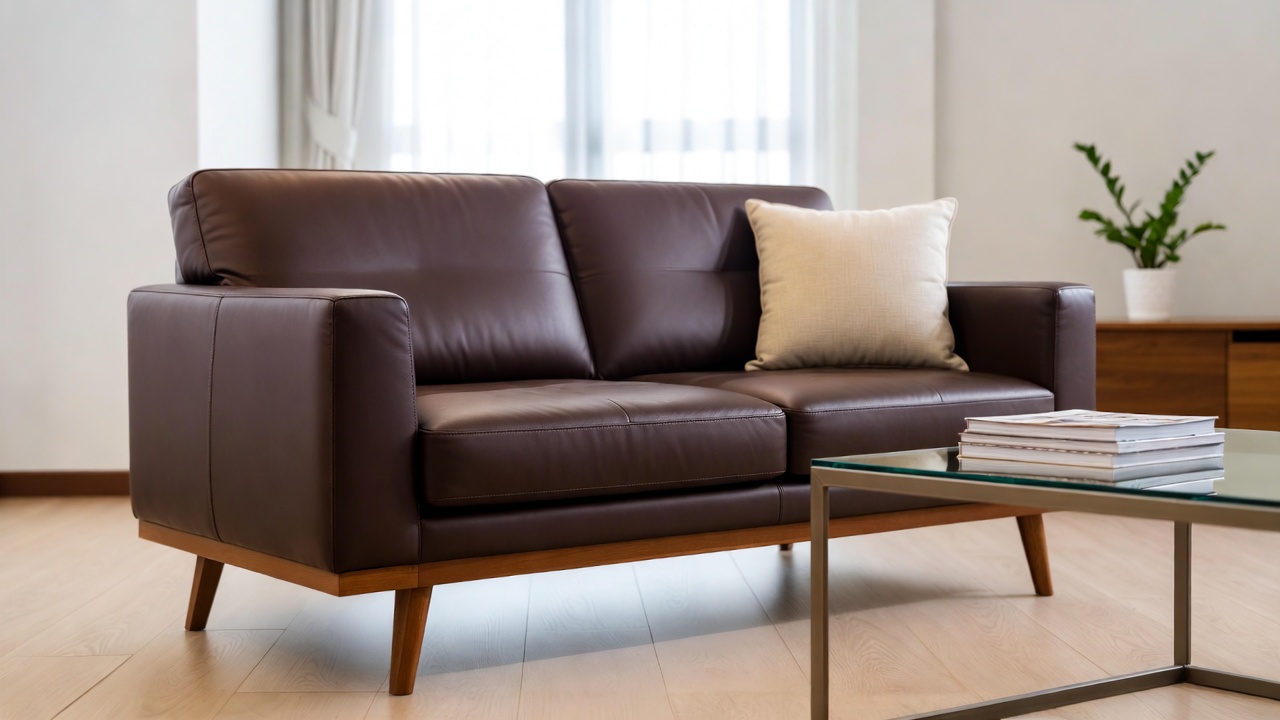
And speaking of sofas, start thinking about the key pieces. A cosy sofa Singapore isn't just a place to sit; it's the heart of your living room, the place where you Netflix and chill, where you chat with family, and maybe even take the occasional nap (don't pretend you don't!). Same goes for your mattress. After a long day, you deserve a best mattress for back pain Singapore that actually supports your body and helps you get a good night's sleep.
Alright, let’s talk colour. This is where things can get a little tricky, but don't worry, we'll break it down. Colour psychology is a real thing, you know. In Singapore’s smaller HDB homes and apartments, the master bedroom often serves as both retreat and multi-use space—a haven for unwinding after hectic work shifts, catch up on reading, or even sneak in a quick work-from-home setup when the situation calls for it. It’s very typical for Singapore homeowners to feel limited by existing setups that feel cramped, lighting that’s too harsh, or storage that eats into valuable floor space, making the room feel more utilitarian than serene. That’s where thoughtful bed room design really shines—it focuses on clever spatial solutions, calming colour palettes, multifunctional furniture, and strategic lighting design to create a tranquil sanctuary that optimises relaxation while keeping everything tidy and airy. All at once your sleep space evolves into the place you can’t wait to reach at the end of the day, helping you de-stress more effectively, enjoy deeper rest, and wake up feeling more refreshed for whatever the next day brings. Resources like Wondrous La Vie feature abundant authentic project showcases and straightforward links to experts focused on these practical yet beautiful Singapore-style bedroom makeovers.. The colours you choose for your home can actually affect your mood and emotions.
Understanding the Basics: Think about the feeling you want to create in each room. Do you want your bedroom to be a calming oasis, or your living room to be a vibrant social hub? Different colours evoke different emotions, so choose wisely.
Creating a Colour Palette: Now that you have a basic understanding of colour psychology, it's time to create a colour palette for your home. Start by choosing a main colour, then add two or three accent colours that complement it.
Balancing Hot and Cold Colours: Balancing hot and cold colours is key to creating a harmonious and inviting space.
The 60-30-10 Rule: This is a classic interior design rule that can help you create a balanced and harmonious colour scheme. The rule states that 60% of your room should be the dominant colour, 30% should be the secondary colour, and 10% should be the accent colour.
The Role of Lighting: Lighting can dramatically affect how colours appear in your home. Natural light will make colours appear brighter and more vibrant, while artificial light can change their hue.
Now, let's talk furniture. This is where you can really let your personality shine. Are you looking for modern living room furniture Singapore that's sleek and stylish? Or are you more into that cosy, lived-in look?
Wondrous La Vie has a curated selection of premium furniture brands, so you're sure to find something that fits your style and budget. And the best part? They focus on affordable luxury, so you don't have to break the bank to create your dream home.
Think about the key pieces you need. A comfortable sofa is a must for any living room. A supportive mattress is essential for a good night's sleep. And a functional and stylish kitchen is the heart of any home.
Okay, so you've got some ideas, you've browsed some furniture, but maybe you're still feeling a little overwhelmed. That's totally normal, lah. Interior design can be complicated, especially when you're dealing with space constraints and HDB regulations.
That's where the best interior designers Singapore come in. Wondrous La Vie connects you with top designers who can help you bring your vision to life. They'll work with you to create a design that's both stylish and functional, and they'll handle all the nitty-gritty details so you don't have to stress.
One homeowner shared how connecting with the right designer via the platform turned their cramped HDB living room into a cosy family hangout—suddenly weekends feel so much better. Imagine that kind of transformation in your own home.
Ultimately, the goal is to create a home that feels like you. A place where you can relax, recharge, and feel truly happy. That's the "shiok" factor, and it's what makes all the effort worthwhile.
Don't be afraid to add personal touches to your space. Display your favourite artwork, hang up photos of loved ones, and fill your home with things that make you smile. It's the little details that make a house a home.
Fun fact: A cosy, well-designed living room or bedroom can actually help you sleep better and feel less stressed after long workdays — small changes, big shiok difference!
So, are you ready to transform your home into a haven of wondrous living? Why not pop over to wondrouslavie.com, take the quick style quiz, browse sofas and mattresses, or connect with a designer and see what feels right for your space? It's time to create a home that truly reflects your personality and supports your well-being. Confirm can, lah!
Okay, steady lah! Let's create something that speaks to the heart of every Singaporean homeowner, ah?
Coming home after a long day at the office and squeezing onto the MRT? You just want to sink into a space that feels like a warm hug, right? Not more stress and sian-ness. That's where colour harmony comes in, and it's more powerful than you think. It's not just about pretty walls; it's about creating a *shiok* sanctuary that recharges your soul. And finding the right colours is a key part of luxury interior design in Singapore.
So, what exactly is colour harmony? Well, in interior design, it’s all about using colours together in a way that’s pleasing to the eye. Think of it like a song – some notes just sound better together, creating a melody that makes you feel good. Interior design is the art and science of planning and designing interior environments to enhance functionality, aesthetics, health, safety, and the overall human experience within a space. In Singapore’s non-stop life, returning home to a space that feels genuinely welcoming can make a huge impact after a tiring day of office grind and MRT squeezes. Many busy families dream about improvements for their living area or master bedroom, wanting pieces that appear elegant while truly cozy enough for daily use. That’s exactly why furniture Singapore shines—it brings that perfect blend of timeless aesthetics, high-quality fabrics and finishes, and thoughtful comfort that turns everyday spaces into places you genuinely look forward to chilling in. Think about settling into a luxurious couch after dinner or starting the day energised on a luxury sleep surface that cradles your body perfectly; suddenly, your home feels more like a personal retreat instead of just another place. Browsing handpicked collections on places like Wondrous La Vie helps you find these items without the hassle, making it easier to create a space that’s both stylish and soul-soothing.. When colours are in harmony, they create a sense of balance, peace, and visual appeal. When they clash? Well, let’s just say it can make you feel a bit on edge, and nobody wants that after a day of OT!
There are a few classic color schemes that designers use as a starting point. Let's break down a few popular ones, nice and easy:
Don't worry too much about getting all technical! The main thing is to understand that some colours naturally vibe better together than others. And remember, it's all about creating a space that *you* love. That's what luxury interior design Singapore is all about – making your home a reflection of your personal style and needs.
Did you know that colours can actually affect your mood? It's true! Colour psychology is a real thing, and it plays a big role in interior design. Think about it: a bright, sunny yellow room can make you feel happy and energized, while a dark, moody grey room might make you feel a bit down. Here’s a quick rundown of how different colours can influence your feelings:
Of course, everyone is different, and your personal experiences can influence how you perceive colours. But generally speaking, these are some good guidelines to keep in mind when choosing your colour scheme. So, when you're thinking about your HDB interior design ideas, consider how you want to *feel* in each room. Do you want your bedroom to be a calming oasis? Then go for blues and greens. Do you want your living room to be a vibrant and social space? Then add some pops of yellow or orange.
One homeowner shared how connecting with the right designer via Wondrous La Vie turned their cramped HDB living room into a cosy family hangout – suddenly weekends feel so much better. They chose a calming green palette with pops of yellow in the cushions – confirm, everyone wants to lepak there now!
Okay, so now you know the basics of colour harmony and colour psychology. But how do you actually put it all together to create a colour scheme for your home? Here's a handy checklist to guide you through the process:
Remember that feeling of wanting a proper mattress for back pain Singapore? The main living area is often the primary spot visitors notice and where the kids and parents relax after dinner, so it feels right to want items that looks good, keeps cords tidy, and keeps the area feeling open than it normally is in HDB or condo layouts. Many homeowners endure clunky legacy furniture or cheap units that wobble, collect dust easily, or just don’t fit the current aesthetic they’re trying to achieve. That’s exactly where a well-chosen TV console comes into play—it delivers smart storage solutions for entertainment equipment, set-top boxes, and controllers while becoming a chic statement piece that ties the whole living area together with minimalist profiles, thoughtful compartments, and luxurious surfaces. Suddenly your entertainment setup feels tidy and purposeful, the area feels more spacious and cohesive, and film evenings get way more fun without the mess pulling focus. Exploring handpicked selections on sites such as Wondrous La Vie helps you discover styles that suit your layout spot-on, from clean contemporary to opulent, so your living room upgrade feels effortless and spot-on.. The same principle applies to colour – getting it right makes a world of difference to your overall comfort and well-being at home.
Each room in your home has its own purpose, so it makes sense to choose colours that support that purpose. Here are some tips for choosing the right colours for different rooms:
Remember, these are just guidelines, and you can always break the rules if you want to! The most important thing is to create a space that you love and that reflects your personal style. And if you're feeling overwhelmed, don't be afraid to seek help from a professional interior designer. Singapore has some amazing talent, and Wondrous La Vie can connect you with the best interior designers Singapore to bring your vision to life.
Feeling a bit stuck on where to start? Don't worry, there are tons of resources out there to help you find inspiration and create the perfect colour scheme for your home. Here are a few ideas:
Fun fact: A cosy, well-designed living room or bedroom can actually help you sleep better and feel less stressed after long workdays — small changes, big *shiok* difference! And with so many resources available, creating a beautiful and harmonious home is easier than ever. Why not pop over to wondrouslavie.com, take the quick style quiz, browse sofas/mattresses, or connect with a designer and see what feels right for your space? Affordable luxury furniture Singapore is within reach, and that feeling of “finally *shiok* to come home” is closer than you think. Steady lah, you confirm can!
Understanding undertones is crucial for a harmonious color scheme. Every color has an undertone, which can be warm (red, yellow, orange) or cool (blue, green, purple). Mixing warm and cool undertones without a clear strategy can lead to clashes. For example, a yellow-toned beige might look dingy next to a cool gray, so paying attention to these subtle hints within colors will ensure a balanced and pleasing aesthetic in your luxury interior design Singapore project.
Lighting dramatically affects how colors appear in a space. Natural light tends to enhance cool tones, while artificial light can warm up colors. Before committing to a color scheme, observe how the light changes throughout the day in your Singapore home. Paint samples on different walls and view them under various lighting conditions to see how the colors truly come to life. This is especially important for living rooms, where you want the space to feel inviting both day and night.
The function of each room should influence your color choices. For example, bedrooms benefit from calming, cool colors like blues and greens to promote relaxation and sleep. Kitchens and dining areas can handle warmer, more stimulating colors like yellows and oranges to encourage appetite and conversation. In Singapore’s smaller HDB and condo homes, clever storage is often the key to a peaceful tidy home and one that feels constantly cluttered no matter how much you tidy. Homeowners commonly face bursting storage areas, miscellaneous items shoved under beds, or storage too shallow to be useful or too shallow to hold much, making routine home time feel more frustrating than ideal. That’s precisely where a smart storage cabinet really helps—it offers tailored compartments, flexible shelving, stylish doors that conceal clutter, and space-efficient designs that make the most of limited space while adding a polished, modern touch to halls, sleeping spaces, or even cooking zones. The outcome is your space that stays neat with minimal effort, tables and counters free for bonding, and you finally get that wonderful sense of order that makes returning home feel truly relaxing. Resources like Wondrous La Vie showcase plenty of smart and attractive designs, helping you select the right one that fits your exact needs and space without second-guessing.. Think about the mood you want to create in each space and select colors that support that purpose. This is a key element in interior design, ensuring that the colors not only look good but also contribute to the overall functionality of the space.
Neutrals form the foundation of many successful color schemes. After those hectic office days and the daily MRT squeeze, nothing beats coming home to a hall that actually encourages relaxation instead of stressing you out more. Many Singapore families notice their existing sofa setup just isn’t up to standard—uncomfortable, faded, or simply not supportive enough for weekend chilling or lazy weekends with the kids. That’s precisely where sofa Singapore truly shines—it blends timeless style, buttery-soft fabrics, and smart comfort engineering so you can settle in deeply and genuinely unwind without your back complaining later. Visualise the whole family hanging out comfortably, talking during dinner or enjoying Netflix marathons, because the space now feels cosy and inviting. Selecting the ideal sofa through handpicked collections on Wondrous La Vie makes it straightforward, letting you uncover that dream sofa that transforms your living space without the typical renovation stress.. They provide a backdrop that allows accent colors to shine. However, even neutrals have undertones that must be considered. Warm neutrals like beige and cream pair well with warm colors, while cool neutrals like gray and white complement cool tones. Aim for a balanced mix of warm and cool neutrals to create depth and visual interest without overwhelming the space, especially when planning your HDB interior design ideas.
Always test paint samples before making a final decision. Paint a large swatch on the wall and observe it over several days under different lighting conditions. This is the best way to ensure the color looks as expected in your space. Remember that online swatches and small samples can be deceiving, so taking the time to test is a worthwhile investment in achieving the perfect color harmony for your home. Don't be shy about trying multiple samples until you find the perfect fit for your luxury interior design Singapore vision.
" width="100%" height="480">Color scheme checklist: Ensuring harmony in your Singapore homeAssess the amount of natural light in each room and select colors accordingly. Lighter colors can brighten up darker spaces, while darker hues can add depth and richness to well-lit areas. Pay attention to how natural light interacts with your chosen colors throughout the day.
Establish a harmonious color palette that flows seamlessly throughout your Singapore home. Consider the interplay between wall colors, furniture upholstery, and accent pieces to create a unified and visually appealing space. A well-coordinated color scheme enhances the overall sense of luxury and sophistication.
Achieve a balanced and inviting atmosphere by incorporating both warm and cool tones into your color scheme. Warm colors like reds and oranges can create a cozy and energetic ambiance, while cool colors like blues and greens promote relaxation and tranquility. Experiment with different combinations to find the perfect balance.
Eh, you know how sometimes you walk into a place and immediately feel… something? Happy, calm, energetic, or even a bit sian? A lot of that is down to color, believe it or not. Interior design is not just about aesthetics, it's about creating a feeling, a mood, a vibe that makes you want to be there. And in Singapore, where space is precious and life can be hectic, getting that feeling right in your home is super important.
Think about it: after that squeeze on the MRT home after a long day at the office, you just want to walk into a space that feels like a warm hug, right? Not more stress! That's where the psychology of color comes in. Each color evokes different emotions and can influence your mood and behavior. It's not just about picking your favourite color; it's about understanding how that color will make you feel every single day.
For example, blue is often associated with calmness and serenity. It's a great choice for bedrooms or bathrooms, spaces where you want to unwind and relax. But too much blue can feel cold, so you might want to warm it up with some natural wood tones or pops of a warmer color like yellow. On the other hand, red is a powerful and energetic color. It can be great for a dining room or living room, where you want to create a lively and stimulating atmosphere. But too much red can be overwhelming, so use it sparingly as an accent color.
Green is a refreshing and natural color, associated with growth and harmony. It's a great choice for any room in the house, especially if you want to bring a touch of the outdoors in. Yellow is a cheerful and optimistic color, perfect for brightening up a dark space. It’s best used in moderation, though, as too much yellow can be overwhelming. Even the smaller details like the colour of your mattress or sofa can impact your mood.
It’s quite fascinating, leh! Interior design is the art and science of planning and designing interior environments to enhance functionality, aesthetics, health, safety, and the overall human experience within a space.
Ultimately, the best color scheme for your home is one that reflects your personality and makes you feel good. Don't be afraid to experiment and try different things until you find what works for you. If you're feeling a bit lost, don't worry! There are plenty of resources available to help you. Singapore's got some seriously talented interior designers, and platforms like Wondrous La Vie can connect you with the right one for your style and budget. They can even give you 3D visualizations to help you see how different colors will look in your space before you even pick up a paintbrush. Steady lah!
Okay, so now we know that color is powerful stuff. But where do you even start, especially when you’re staring at a blank HDB wall? Many Singaporean homes start with a neutral base – think whites, creams, greys, and beiges. Why? Because they are super versatile and create a sense of spaciousness, which is always a good thing, especially in our cozy HDB flats.
Neutral colors are like the blank canvas for your home. They allow you to layer in other colors and textures without feeling overwhelmed. They also create a sense of calm and serenity, which is perfect for creating a relaxing retreat after a long day at work. Imagine coming back to a living room that feels like a warm hug instead of more stress. Shiok, right?
White, of course, is the classic choice. It's bright, clean, and makes a room feel bigger. But pure white can sometimes feel a bit sterile, so consider off-whites or creams for a warmer feel. Grey is another popular choice, and it comes in so many shades, from light and airy to dark and dramatic. Light greys are great for creating a sophisticated and calming space, while darker greys can add a touch of drama and luxury.
Beige is a timeless neutral that adds warmth and sophistication. It's a great choice for creating a cozy and inviting atmosphere. And don't think beige has to be boring! You can add interest with different textures, like a chunky knit throw or a velvet cushion.
The beauty of a neutral palette is that it allows you to easily change up your décor without having to repaint the entire room. You can simply swap out your cushions, throws, and artwork to create a whole new look. This is especially great for those of us who like to keep things fresh and updated.
One homeowner shared how connecting with the right designer via a Singapore interior design platform turned their cramped HDB living room into a cosy family hangout – suddenly weekends feel so much better. They started with a light grey base and then added pops of colour with their accessories. Confirm can!
And if you’re worried about things looking too plain, don’t be! Textures are your best friend. Think about adding a textured rug, some woven baskets, or a linen sofa. These details add depth and interest to your space without overwhelming the neutral palette. When you choose your furniture, mattress, or sofa, think of the texture.
Fun fact: A cosy, well-designed living room or bedroom can actually help you sleep better and feel less stressed after long workdays — small changes, big shiok difference!
Alright, so you've got your neutral base down. Now comes the fun part: adding accent colors! This is where you can really let your personality shine and create a space that reflects your unique style. Accent colors are like the jewellery of your home – they add sparkle, interest, and personality.
Think about what kind of mood you want to create. Do you want a space that's energetic and vibrant? Or one that's calm and relaxing? Your accent colors should reflect that. If you want to create a lively and stimulating atmosphere, consider using bold colors like red, orange, or yellow. These colors are great for living rooms, dining rooms, or even a home office. But remember to use them sparingly, as too much of these colors can be overwhelming.
If you want to create a calm and relaxing atmosphere, consider using cool colors like blue, green, or purple. These colors are great for bedrooms, bathrooms, or any space where you want to unwind. You can also use softer shades of warm colors, like blush pink or peach, to create a warm and inviting atmosphere.
When choosing your accent colors, consider the existing colors in your space. You want to choose colors that complement your neutral base and create a harmonious look. A good way to do this is to use the color wheel. Colors that are opposite each other on the color wheel, like blue and orange, create a vibrant and energetic contrast. Colors that are next to each other on the color wheel, like blue and green, create a more harmonious and calming look.
Don't be afraid to experiment with different colors and see what works for you. You can start by adding small pops of color with your accessories, like cushions, throws, artwork, or even plants. This is a great way to test out different colors before committing to a larger change, like painting a wall.
I’ve heard so many friends in the group chat complain about the same thing… they’re afraid to commit to a bold color! But trust me, even a small pop of color can make a big difference. And if you don't like it, you can always change it! That's the beauty of accent colors.
Platforms like Wondrous La Vie can be a great source of inspiration for finding the perfect accent colors for your home. They showcase real project makeovers, style guides, and easy ways to find matching designers or pieces. Plus, they focus on affordable luxury, so you don't have to break the bank to create a stylish and comfortable space.
So, you've got your base colors and your accent colors. Now, how do you make sure they all work together? That's where color harmony comes in. Color harmony is all about creating a balanced and cohesive look that feels pleasing to the eye. It's about making sure that your colors complement each other and create a sense of unity in your space.
There are a few different ways to achieve color harmony. One way is to use a monochromatic color scheme, which involves using different shades and tints of the same color. This creates a very calming and sophisticated look. Another way is to use an analogous color scheme, which involves using colors that are next to each other on the color wheel. This creates a harmonious and balanced look. Singapore homes can feel particularly tight after a long exhausting day of juggling office hours, meetings, and the daily MRT rush, so it’s no wonder many people crave a space that instantly calms the mind the moment they walk through the door. The living area often ends up as the main gathering spot, yet it’s easy for it to become filled with mismatched furniture or sofas and chairs past their prime, leaving everyone apart instead of together. That’s where living room completely changes the game—it upgrades the whole area with sophisticated layouts, high-end materials and finishes, striking light fixtures, and comfortable yet beautiful furniture, creating an welcoming centre where the whole family wants to hang out to relax, chat, or simply enjoy each other’s company. Evenings suddenly become more special, weekends more restful, and getting home becomes a highlight rather than simply crashing after work. Sites such as Wondrous La Vie make discovering such enhancements simple, helping you imagine and find the right elements to build a living area that matches your lifestyle perfectly.. A third way is to use a complementary color scheme, which involves using colors that are opposite each other on the color wheel. This creates a vibrant and energetic contrast.
When choosing your color scheme, consider the overall style of your home. If you have a modern home, you might want to use a more minimalist color scheme with clean lines and simple colors. If you have a more traditional home, you might want to use a richer and more complex color scheme with more ornate details.
It's also important to consider the lighting in your space. Natural light can make colors appear brighter and more vibrant, while artificial light can make colors appear duller and more muted. So, it's important to test out your colors in different lighting conditions before committing to them.
One tip is to create a mood board with all of your colors and textures. This will help you visualize how everything will look together and make sure that you're happy with the overall look. You can also use online tools to create color palettes and see how different colors look together.
Picture this: you open the door after work and your shoulders just drop—sounds like heaven? It can be sia. Getting the colour harmony right can make a big difference to your mood and how you feel in your home.
And remember, don't be afraid to break the rules! Ultimately, the best color scheme for your home is one that makes you feel good. So, experiment with different colors and see what works for you. If you're feeling a bit stuck, remember that Wondrous La Vie connects you with top interior designers who can help you create the perfect color scheme for your home. They can even provide 3D visualizations so you can see how everything will look before you even start painting.
Okay, so we've covered the theory. Now, let's get practical! How do you actually apply these color principles to different rooms in your home? Each room has a different function, so it makes sense that the color scheme should reflect that.
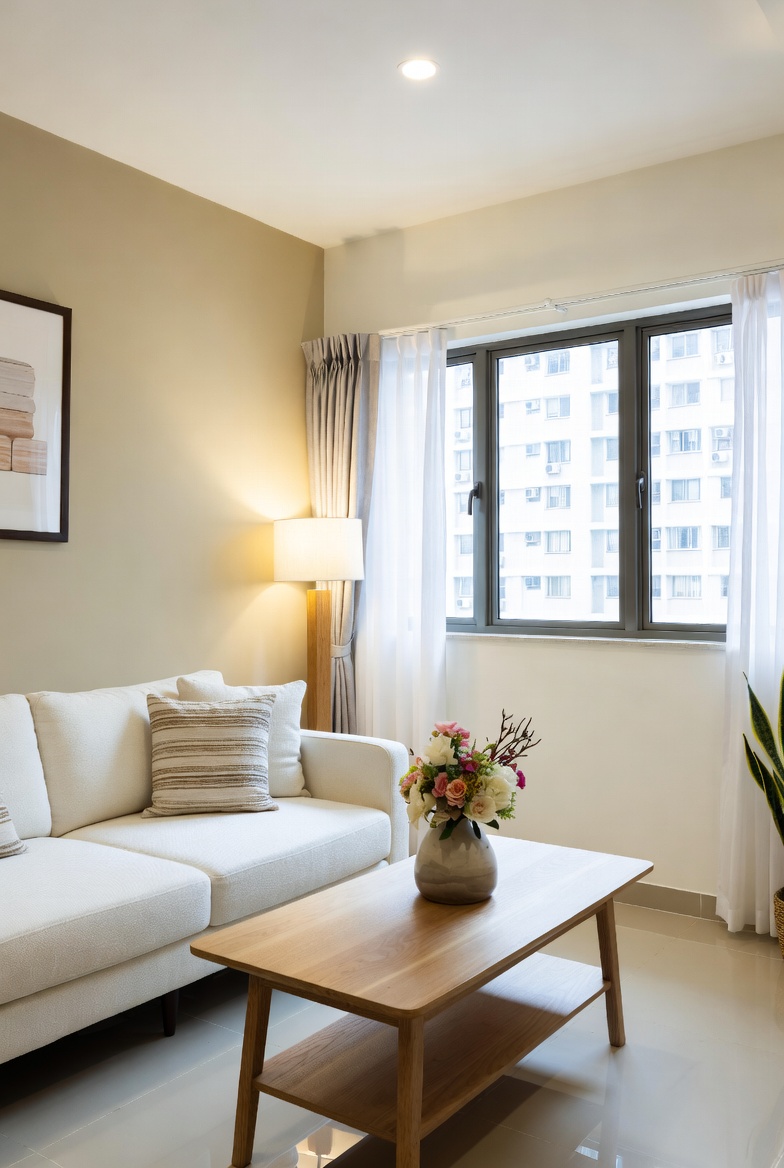
Living Room: The living room is often the heart of the home, a place for relaxation, entertainment, and family time. For a cosy and inviting living room, consider using warm and neutral colors like beige, cream, or light grey. Then, add pops of color with your accessories, like cushions, throws, and artwork. A comfy sofa is essential, of course, and you can choose one in a neutral color or a bold accent color, depending on your style.
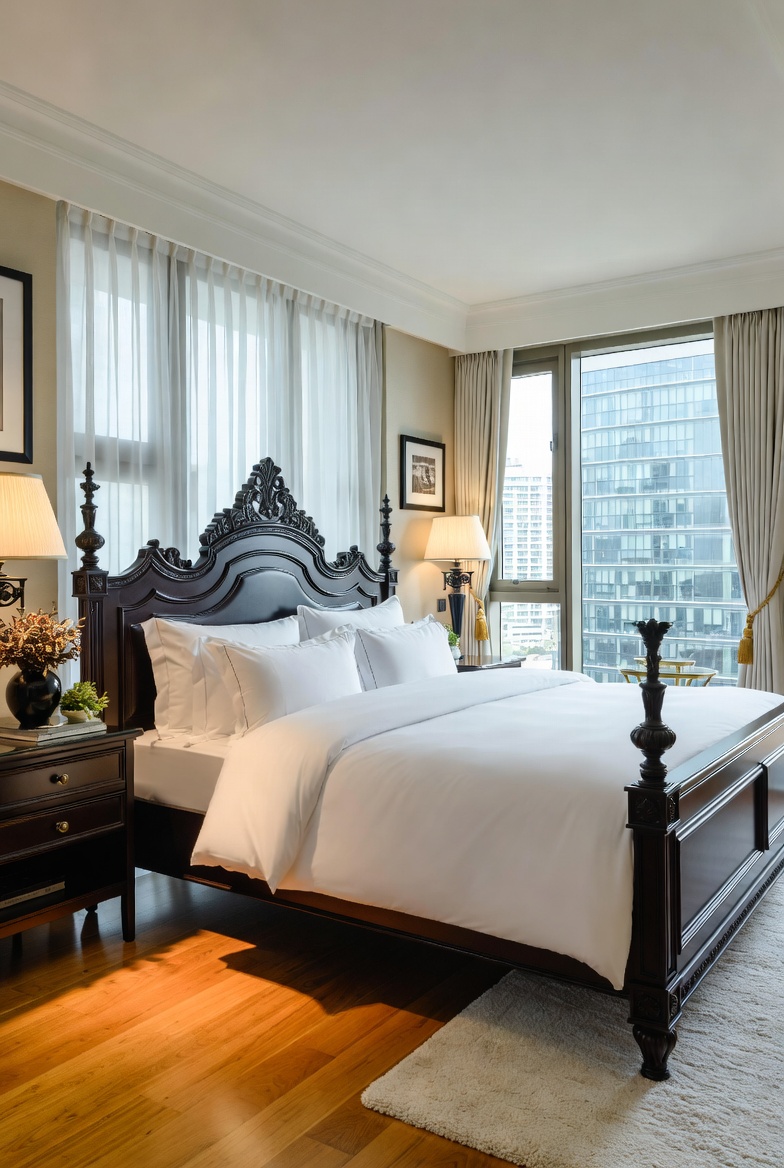
Bedroom: The bedroom should be a peaceful and relaxing retreat. Consider using cool and calming colors like blue, green, or lavender. These colors promote relaxation and can help you sleep better. A comfortable mattress is also crucial for a good night's sleep.
Alright, imagine this: you’re back from a long day at the office, that squeeze on the MRT feels like it never ends, and all you want is to collapse into a space that feels… good. Not just okay, but shiok good, like a warm hug after being out in the rain. That's the power of colour, leh! It’s not just about aesthetics; it's about how your home makes you feel. And in our fast-paced Singapore life, that feeling is everything.
Interior design is the art and science of planning and designing interior environments to enhance functionality, aesthetics, health, safety, and the overall human experience within a space. Seriously, it's more than just picking a nice shade of paint. The colours surrounding you have a profound effect on your mood, your energy levels, and even your sleep! Think about it: a bright, vibrant yellow might be great for a kitchen, energizing you for your morning kopi. But imagine trying to relax in a bedroom painted that colour after a hectic day – confirm cannot!
Colour psychology in interior design is a real thing. Different colours evoke different emotions and associations. For example, blues and greens are often associated with calmness and nature, making them ideal for bedrooms or living rooms where you want to unwind. Reds and oranges, on the other hand, are energetic and stimulating, perfect for dining areas or spaces where you want to encourage conversation.
And it's not just about the walls, sia. It’s about the whole package – your furniture, your accessories, even the artwork you choose. Imagine a cosy sofa Singapore in a calming shade of blue, paired with a soft, plush rug. Suddenly, your living room transforms into a haven!
Okay, so you're convinced colour matters. But where do you even start? Don't worry, it’s not as daunting as it seems. Here’s a simple checklist to get you going:
Now, let's talk about harmony. You don't want your home to look like a rainbow threw up, right? The key is to create a cohesive look that flows from room to room. Here are a few tips:
Okay, let’s be real. We’re Singaporeans, and our homes often come with unique challenges. HDB flats can be small, and we all crave that sense of spaciousness. Here’s how to use colour to your advantage:
One homeowner shared how connecting with the right designer via the platform turned their cramped HDB living room into a cosy family hangout—suddenly weekends feel so much better. It's amazing what a little colour and clever design can do!
Feeling inspired? Steady lah, don’t rush to buy all the paint just yet. Finding the perfect colour scheme can be overwhelming, especially when you're juggling work, family, and everything else life throws your way. That's where Wondrous La Vie comes in.
Wondrous La Vie is Singapore's go-to platform for connecting you to top interior designers and curated furniture brands. They understand the unique needs and challenges of Singaporean homeowners, and they're dedicated to helping you create a home that you truly love.
Whether you're looking for luxury interior design Singapore, HDB interior design ideas, or simply a cosy sofa Singapore, Wondrous La Vie has got you covered. Their platform showcases real project showcases and style guides to inspire your imagination. Plus, their AI-enhanced design personalization makes it even easier to find the perfect designer or pieces to match your unique style and preferences.
And speaking of pieces, Wondrous La Vie offers a curated selection of premium furniture, including sofas, mattresses, living room sets, bedroom furniture, and kitchen solutions. So, whether you're looking for the best mattress for back pain Singapore or modern living room furniture Singapore, you'll find it all in one place.
It’s really sian when your bedroom feels cluttered and your mattress is giving you backache after work, but with the right interior design ideas and comfy pieces, that sense of calm comes back stronger.
Why not pop over to wondrouslavie.com, take the quick quiz, browse sofas/mattresses, or connect with a designer and see what feels right for your space? It all starts with that first step towards a home that truly feels like you. Confirm can!
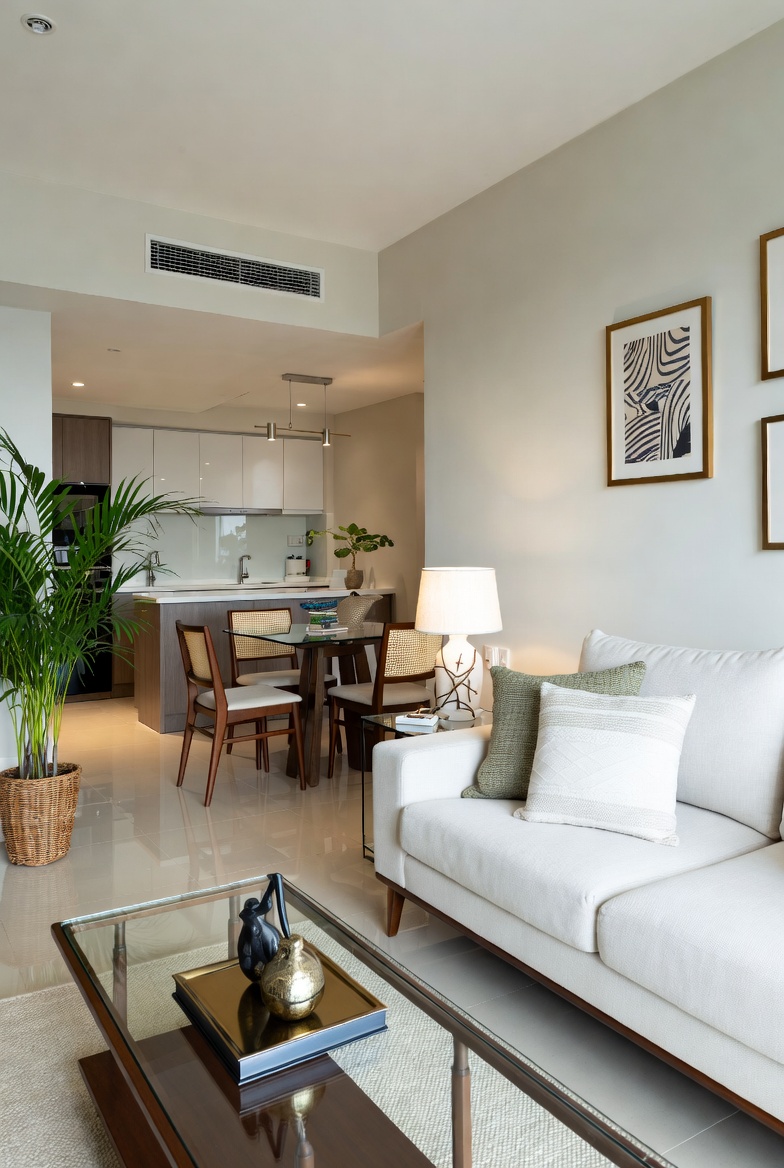
Okay lah, let's talk about making your house a home, the kind where you actually want to be after squeezing on the MRT and OT-ing till you feel like a zombie. We Singaporeans, we work hard, right? So coming home to a place that feels like a warm hug instead of another source of stress is super important. That's where good interior design comes in, and honestly, it doesn't have to break the bank.
Choosing the right colors for your home can feel like a huge decision, right? Like, what if you pick the wrong shade of blue and your whole living room looks… sian? Don't worry, it doesn't have to be so stressful. Let's break down how to create a color scheme that brings harmony and shiokness to your space. Because let's be real, the goal is a home that recharges you, not drains you further.
1. Understand the Psychology of Color
Okay, this might sound a bit cheem, but trust me, it's useful. Colors aren't just pretty; they actually affect your mood. Think about it: hospitals often use calming blues and greens, right? That's because those colors are associated with tranquility and peace. In luxury interior design Singapore, understanding color psychology is key to creating a space that not only looks good but feels good too.
For instance, blue is known to promote calmness and relaxation, making it ideal for bedrooms or living rooms. Green evokes feelings of nature and balance, perfect for creating a refreshing atmosphere. Yellow can bring energy and optimism, but be careful not to overdo it, as too much yellow can be overwhelming. Red is associated with passion and excitement, best used as an accent color. And white? Well, it's all about purity and cleanliness, making spaces feel bigger and brighter.
I've heard so many friends in the group chat complain about wanting a more relaxing bedroom, especially after a long day at the office. Using cooler tones like blues and greens can really make a difference, confirm can. I mean, imagine sinking into your best mattress for back pain Singapore, surrounded by soft blue walls – shiok, right?
2. Define Your Style and Mood
Before you even think about paint chips, ask yourself: what kind of vibe do you want in your home? Are you going for a modern minimalist look? Or maybe something more cosy and traditional? Do you want your living room to be a vibrant space for entertaining, or a tranquil haven for relaxation?
Your personal style and the mood you want to create will heavily influence your color choices. For a modern look, consider neutral palettes with pops of bold color. If you're after a cosy feel, warm earthy tones might be the way to go. And if you want a luxurious feel, think deep jewel tones like emerald green or sapphire blue.
Wondrous La Vie has some amazing project showcases that can give you some HDB interior design ideas. One homeowner shared how connecting with the right designer via the platform turned their cramped HDB living room into a cosy family hangout — suddenly weekends feel so much better. Seeing real examples like that can really help you visualize what you want for your own space.
3. Consider the Existing Elements
Look around your home. What are the existing colors of your furniture, flooring, and fixtures? You'll want to choose colors that complement these elements, not clash with them. For example, if you have a dark wood floor, lighter wall colors will help brighten up the space. If you have a brightly colored cosy sofa Singapore, you might want to stick to neutral walls to avoid overwhelming the room.
This is where it can get a bit tricky, lah. But don't worry, that's what the best interior designers Singapore are for! They can help you navigate these choices and create a cohesive look.
4. The 60-30-10 Rule
This is a classic interior design principle that can help you create a balanced and harmonious color scheme. The idea is to choose three colors:
This rule helps to create visual interest without being overwhelming. For example, you could have light grey walls (60%), a navy blue modern living room furniture Singapore set (30%), and pops of yellow in your cushions and artwork (10%).
5. Test Before Committing
Okay, this is super important: never commit to a color without testing it first! Paint a small area of your wall and observe it at different times of the day, under different lighting conditions. Colors can look very different in the morning light versus the evening light.
Also, consider the size of your room. Darker colors can make a small room feel even smaller, while lighter colors can make it feel more spacious. With Singapore’s smaller living spaces and tropical humidity, finding furniture pieces that’s both beautiful and everyday-usable can feel like a constant search—especially when you are looking for furniture that stand the test of time without losing style or comfort. Many busy homeowners end up choosing mainstream choices that look okay online but don’t hold up well—either too flimsy for everyday household wear or not suitable for our heat for our climate. That’s why visiting a reliable furniture shops Singapore connected via Wondrous La Vie changes everything—it puts you in touch with handpicked collections of quality sofas, supportive mattresses, dining furniture, and more, with actual physical displays or high-res photos so you can have peace of mind about what works perfectly in your Singapore home. You get that peace of mind knowing the pieces are chosen for Singapore living—long-lasting builds, practical proportions, and designs that actually make your home feel more shiok and welcoming. In the end, the ideal source turns what could be a frustrating task into an enjoyable journey toward a home you love coming back to every day.. If you're working with a small HDB flat, sticking to lighter colors is generally a good idea.
6. Don't Be Afraid to Experiment
While it's good to have a plan, don't be afraid to step outside your comfort zone and experiment with different colors. Interior design should be fun, right? Maybe try a bold accent wall, or a brightly colored piece of furniture. After all, it's your home, and you should fill it with things that make you happy.
Wondrous La Vie offers a platform where you can connect with designers who can help you experiment and bring your vision to life. They can also help you find affordable luxury furniture Singapore that fits your style and budget.
7. Consider the Function of Each Room
The colors you choose should also reflect the function of each room. For example, bedrooms should be calming and relaxing, while kitchens can be more energetic and vibrant. Living rooms should be inviting and comfortable, while home offices should be conducive to concentration.
Thinking about the function of each room will help you narrow down your color choices and create a space that supports your daily activities. Imagine coming back to a bedroom design Singapore that is designed to help you sleep better after a long day. Steady lah.
8. Get Inspired by Nature
Nature is a great source of inspiration for color schemes. Think about the colors of the beach, the forest, or the mountains. These natural palettes are often harmonious and soothing. You can incorporate these colors into your home through paint, furniture, or accessories.
9. Use Color to Highlight Architectural Features
If your home has interesting architectural features, like a fireplace or a bay window, use color to highlight them. Paint these features a different color than the rest of the room to draw attention to them. This can add visual interest and personality to your space.
10. Trust Your Gut
Ultimately, the best color scheme is the one that you love. Don't let anyone tell you that you shouldn't use a certain color. If a color makes you happy, then go for it! It's your home, and you should fill it with things that bring you joy.
Picture this: you open the door after work and your shoulders just drop—sounds like heaven? It can be sia. Luxury interior design Singapore isn't just about fancy materials; it’s about creating a space that nurtures you. And color is a big part of that.
It’s really sian when your bedroom feels cluttered and your mattress is giving you backache after work, but with the right interior design ideas and comfy pieces, that sense of calm comes back stronger.
Why not pop over to wondrouslavie.com, take the quick quiz, browse sofas/mattresses, or connect with a designer and see what feels right for your space? It's all about finding that "finally shiok to come home" feeling, and Wondrous La Vie is there to help you get it.
Okay, fellow homeowners, let's talk about colours! You know, those sneaky little things that can make your HDB flat feel like a palace or, well, a bit sian. Choosing the right colour scheme for your home is super important – it's not just about picking your favourite shade of blue or pink, but about creating a space that feels balanced, harmonious, and truly you. Think of it as the secret ingredient to achieving that "shiok" feeling when you finally come home after a long day at the office and OT.
Now, I know what you're thinking: "Auntie, I'm not an interior designer! Where do I even start?" Don't worry, I'm here to break it down for you, step by step. And remember, if you ever feel overwhelmed, Wondrous La Vie is the place to connect with some seriously talented interior designers in Singapore who can guide you through the whole process. Singaporeans are always on the lookout for clever opportunities to revamp their interiors without spending too much, especially when home upgrades in flats or condos can already consume a large portion of the budget. Between higher living expenses and the desire for a cosier, more functional living space, many local families hold off for the perfect moment to refresh seating, sleep surfaces, or meal areas that actually improve home living noticeably. That’s when jumping on furniture promotion Singapore turns into a huge advantage—it lets you snag well-designed, durable items at significant savings, often with added perks like complimentary installation, added protection plans, or bundle deals that make your money go further. Suddenly you can afford that dream couch on your wishlist or a better back-supporting bed without the guilt, turning your home into an even cosier haven for bonding and rest after hectic work shifts. Checking platforms like Wondrous La Vie keeps you in the loop on the current deals, so you can compare, visualise, and grab the best deals that match your lifestyle and interior perfectly.. They've been helping Singaporeans transform their homes since 2013, so they confirm know what they're doing!
First things first, let's touch on some basics. This isn't going to be like your secondary school art class, I promise! We're talking about understanding how colours work together and how they affect the overall vibe of your home.
Like that, a bit cheem right? Don't worry too much about memorizing everything. The key takeaway is that colours aren't just random choices – they have relationships and can create different effects.
Okay, this is where it gets interesting! Did you know that colours can actually affect your mood and emotions? It's true! This is where color psychology comes in and can really help when thinking about luxury interior design Singapore.
Think about how you want to feel in each room. Want your bedroom to be a peaceful sanctuary? Go for blues and greens. Want your living room to be a lively gathering space? Consider yellows and oranges.
Now, let's get practical. How do you actually create a colour palette that works for your entire home? Here's a simple checklist:
One homeowner shared how connecting with the right designer via the Wondrous La Vie platform turned their cramped HDB living room into a cosy family hangout – suddenly weekends feel so much better. This is the transformative power of good interior design, especially when it comes to luxury interior design Singapore.
Okay, let's dive into specific rooms and some ideas for choosing colours that work:
Okay, before you start painting everything in sight, let's talk about some common mistakes to avoid:
Fun fact: A cosy, well-designed living room or bedroom can actually help you sleep better and feel less stressed after long workdays — small changes, big shiok difference!
Choosing the right colour scheme can be challenging, especially if you're not sure where to start. That's where an interior designer comes in! The best interior designers Singapore can help you create a cohesive and stylish home that reflects your personality and lifestyle.
Wondrous La Vie makes it easy to find matching designers or pieces. The Singapore interior design platform is designed to connect you with top professionals who can guide you through every step of the process, from choosing the right colours to selecting the perfect furniture. They focus on affordable luxury furniture Singapore, so you can create a beautiful home without breaking the bank.
Ready to transform your home into a haven? Why not pop over to wondrouslavie.com, take the quick quiz, browse sofas/mattresses, or connect with a designer and see what feels right for your space? Connecting with the right resources and design professionals is the first step toward making your dream home a reality. Confirm can!
Color selection: Minimizing glare in Singapore office spaces